
Photography and videography work best when they are planned as one visual system, not as two separate services. Still images freeze the key moments. Video shows movement, sound, pacing, and emotion. When both are built around the same light, framing, color, and story, the final project feels polished across websites, social media, ads, and archives.
TLDR: Photography captures the strongest single frames, while videography builds the full sequence around motion, audio, and timing. A small brand shoot, for example, may produce 40 edited photos and 3 short videos from one half-day session, cutting production time by about 30% compared with booking separate shoots. The best results come from shared planning, matching equipment, steady lighting, clear composition, and consistent editing. When done well, one shoot can feed a website, product page, Instagram reel, YouTube ad, and press kit.
How Photography and Videography Support Each Other
Photography gives a project its most memorable still moments. Videography gives those moments context. A wedding photo may show the hug. A wedding film shows the walk toward it, the voice cracking, and the room reacting. A product photo shows texture and shape. A product video shows scale, use, and movement.
This partnership matters because audiences rarely stay in one format. A campaign may need a hero image, a vertical reel, a banner, a thumbnail, and a behind-the-scenes clip. If the photo and video teams work from the same plan, the final set feels unified instead of patched together.
Equipment That Works for Both
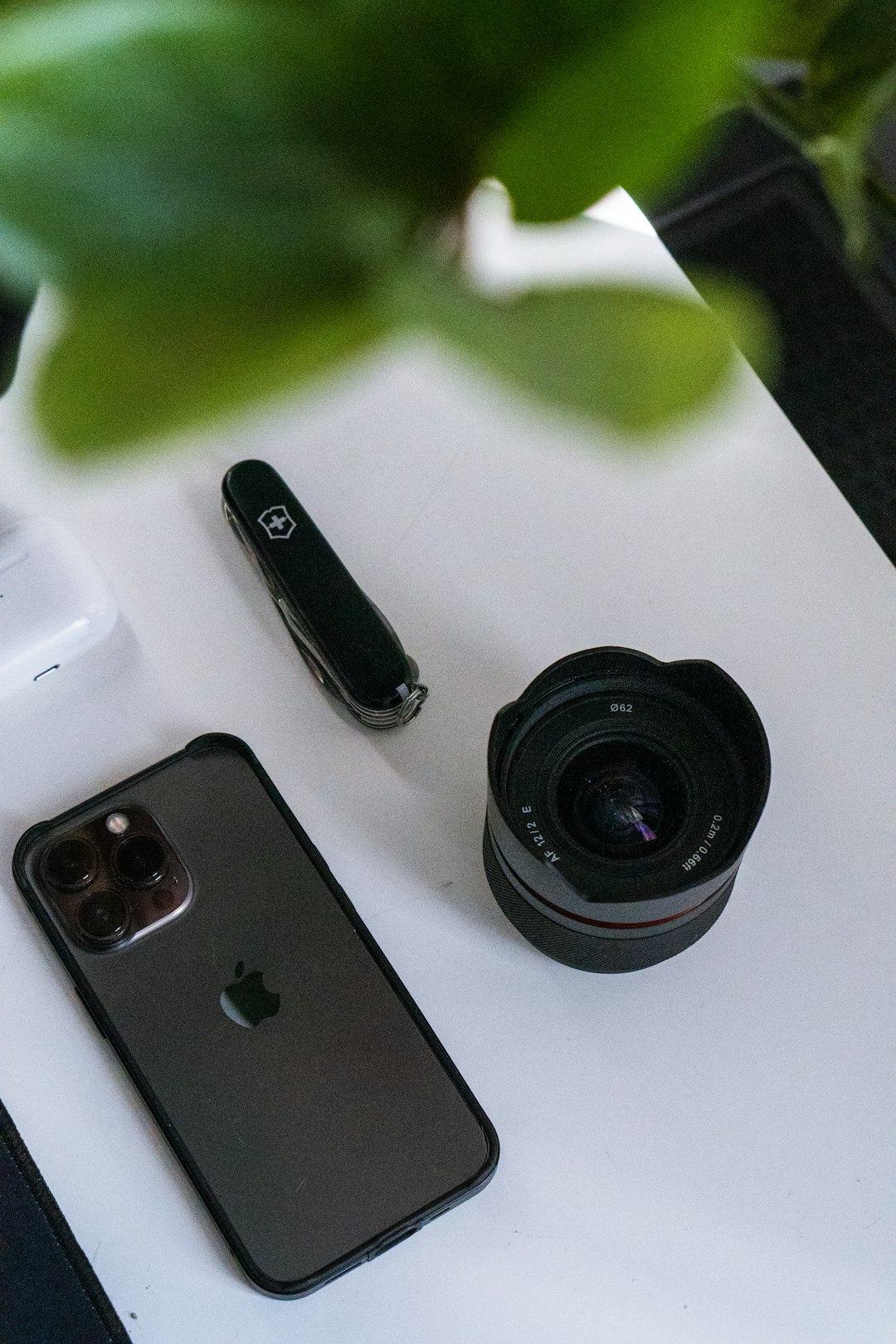
Many modern cameras can shoot both high-resolution photos and sharp video. Mirrorless cameras are common because they are light, fast, and flexible. A team may use one main camera for video and a second body for stills. This avoids constant mode changes, which can cost time and cause missed moments.
Useful shared equipment includes:
- Camera bodies: Full-frame or crop-sensor mirrorless models with strong autofocus and clean low-light results.
- Lenses: A 24-70mm zoom for general coverage, a 50mm prime for portraits, and a macro lens for product detail.
- Stabilization: Tripods, monopods, sliders, and gimbals for smoother video and sharper stills.
- Audio tools: Lavalier mics, shotgun mics, and portable recorders for interviews, vows, demos, and ambient sound.
- Storage: Fast memory cards and backup drives, since video files can get huge very quickly.
The catch is that hybrid cameras can make teams too confident. Switching from stills to video is not always instant. Frame rate, shutter speed, picture profile, audio levels, and stabilization settings all need attention. A forgotten setting can turn a great scene into a noisy clip or a motion-blurred photo.
Lighting for Stills and Motion
Lighting is where photography and videography often clash. A flash can be perfect for still photos, but useless for continuous video. Video usually needs constant light, such as LED panels, tubes, softboxes, or daylight balanced fixtures. These lights let both the photographer and videographer see the result in real time.
Soft light is often the safest shared choice. It flatters skin, reduces harsh shadows, and works well for interviews, portraits, products, and food. Hard light still has a place. It can add drama, shape, and contrast. The team just needs to agree on the mood before the shoot starts.
Color temperature also matters. Mixing window light, warm lamps, and cheap LEDs can make editing painful. Skin may turn green in one shot and orange in the next. Honestly, it feels like software punishes everyone for this later, because fixing mixed color can take 20 extra seconds per clip or image, and that adds up fast across a full gallery.
Composition Across Frames and Sequences
Composition in photography is about arranging one frame. Composition in videography is about arranging many frames over time. Still, the same basics apply. Subjects need space. Lines should guide the eye. Backgrounds should not distract. The frame should have a clear center of interest.
For both formats, creators often use:
- Rule of thirds: Placing subjects off-center for balance and energy.
- Leading lines: Using roads, tables, walls, or shadows to guide attention.
- Depth: Adding foreground, subject, and background layers.
- Negative space: Leaving clean room for text, logos, or motion.
- Consistent angles: Keeping a campaign visually connected.
Video adds movement to the mix. A camera push-in can build focus. A slow pan can reveal a space. A locked-off shot can feel calm and sincere. The photographer can pull stills between these setups if the action is staged with both formats in mind.
Editing and Color Consistency
Editing is where the two formats either blend or fall apart. Photos are usually adjusted for exposure, contrast, color, sharpness, cropping, and retouching. Video editing adds sequencing, audio cleanup, music, captions, transitions, speed changes, and color grading.
A shared color style helps. If the photos are bright and warm, the video should not look cold and flat. If the video has deep shadows and muted tones, the photo gallery should not look overly glossy. Matching does not mean every frame is identical. It means the viewer feels the same brand, mood, or event across each asset.
File handling needs discipline too. Clear folder names, date labels, shot notes, and backup rules prevent chaos. It drives editors a little mad when one card is called “final,” another is called “new final,” and the real final clip sits on a desktop under “misc.” Clean systems save hours.
Creative Storytelling With Both Mediums
Story is the reason to use both photography and videography together. A strong project has a beginning, middle, and end, even if it is only 30 seconds long. Photography can supply the poster moments. Video can connect those moments with movement, voice, and rhythm.
For a restaurant, the story may start with raw ingredients, move to the chef plating, and end with a guest taking the first bite. Photos can capture the plated dish, chef portrait, and dining room details. Video can show steam rising, sauce pouring, and the sound of service. Together, they make the viewer hungry faster than either format alone.
For a nonprofit, still portraits can give dignity to real participants. Short films can explain the mission and show the work in action. For a product brand, photos create clean sales assets, while videos answer practical questions about size, use, and feel.
Best Practices for a Combined Shoot
- Plan deliverables first: List every needed photo, reel, ad, thumbnail, and website crop before shoot day.
- Build a shot list: Mark which setups serve photo, video, or both.
- Protect key moments: Decide who gets priority during short, unrepeatable scenes.
- Use shared lighting when possible: Continuous light keeps both teams moving.
- Record clean audio: Even a beautiful video suffers if speech is muddy.
- Leave room for crops: Shoot wide enough for vertical, square, and horizontal versions.
FAQ
Can one person handle both photography and videography?
Yes, for small shoots. A solo creator can cover portraits, interviews, products, and simple event clips. For complex events, two specialists are safer because key moments can happen at the same time.
Which is more important, photos or video?
It depends on the goal. Photos are strong for websites, print, catalogs, thumbnails, and press use. Video is better for emotion, instruction, sound, movement, and social reach.
What lighting works best for both?
Soft continuous LED lighting is often the best shared option. It supports video recording and gives photographers a clear preview of shadows, color, and contrast.
How can a brand keep photos and videos consistent?
A brand should use a shared mood board, color references, lens choices, lighting style, and editing guide. The same creative direction should shape both formats from planning to export.
Is video editing harder than photo editing?
Usually, yes. Video adds audio, timing, sequencing, color grading, captions, and export settings. Photo editing can be detailed too, especially with retouching, but video often takes longer per finished piece.

