



Managing a growing drone operation involves far more than simply flying aircraft. Organizations must track flight logs, document maintenance activities, monitor pilot compliance, and ensure regulatory requirements are consistently met. As fleets scale from a handful of drones to dozens or even hundreds, spreadsheets and manual paperwork quickly become inefficient and risky. This is where specialized drone fleet management SaaS platforms play a critical role.
TLDR: Drone fleet management SaaS tools centralize flight logs, automate maintenance tracking, and simplify regulatory compliance. Top platforms such as AirData UAV, DroneLogbook, Aloft, and FlyFreely offer robust logging, reporting, and analytics features tailored to commercial operators. Choosing the right solution depends on fleet size, regulatory needs, integration requirements, and maintenance complexity. Investing in a dedicated system reduces operational risk and improves fleet reliability.
Below are four serious, enterprise-ready drone fleet management solutions that stand out for their ability to track flight logs, automate maintenance workflows, and support compliance at scale.
1. AirData UAV
Best for advanced analytics and automated flight log synchronization.


AirData UAV is one of the most widely adopted drone fleet management platforms globally. It supports automatic synchronization with many major drone manufacturers, including DJI, Autel, and Parrot, enabling flight data to be uploaded without manual input.
Key Features:
- Automated Flight Log Import: Syncs data directly from controllers and cloud accounts.
- Advanced Analytics: Battery health trends, flight path mapping, and incident detection.
- Maintenance Tracking: Monitor component lifespan, maintenance intervals, and part replacements.
- Compliance Reporting: Generate airspace and operational reports for regulators and clients.
- Pilot Performance Monitoring: Track flight hours and risk indicators per operator.
AirData stands out for its data depth. Maintenance alerts can be configured based on flight hours, battery cycles, or custom thresholds. For operators managing high-utilization fleets, this proactive tracking minimizes unexpected downtime.
Additionally, its enterprise tier offers multi-user access controls, fleet segmentation, and API integrations—features critical for public safety agencies, energy companies, and infrastructure inspectors.
2. DroneLogbook
Best for compliance-heavy operations and international regulatory environments.
DroneLogbook was built with regulatory compliance at its core. It aligns closely with aviation authority frameworks such as FAA, EASA, and CASA, making it particularly valuable for cross-border drone operators.
Key Features:
- Digital Flight Logging: Manual and automated log entry options.
- Airworthiness Monitoring: Track drone status and maintenance approvals.
- Incident Reporting Tools: Built-in safety occurrence reporting system.
- Crew Certifications: Monitor pilot licenses, medicals, and currency requirements.
- Audit-Ready Documentation: Organized records for inspections and audits.
What sets DroneLogbook apart is its structured approach to operational safety. Rather than focusing primarily on analytics, it emphasizes formal documentation, operational approvals, and structured logs that mirror traditional aviation systems.
This makes it particularly well suited for:
- Training organizations
- Enterprise operators under strict aviation oversight
- Government and public safety departments
The system provides a clear audit trail, making regulatory inspections significantly less stressful.
3. Aloft (formerly Kittyhawk)
Best for airspace management combined with fleet logging.
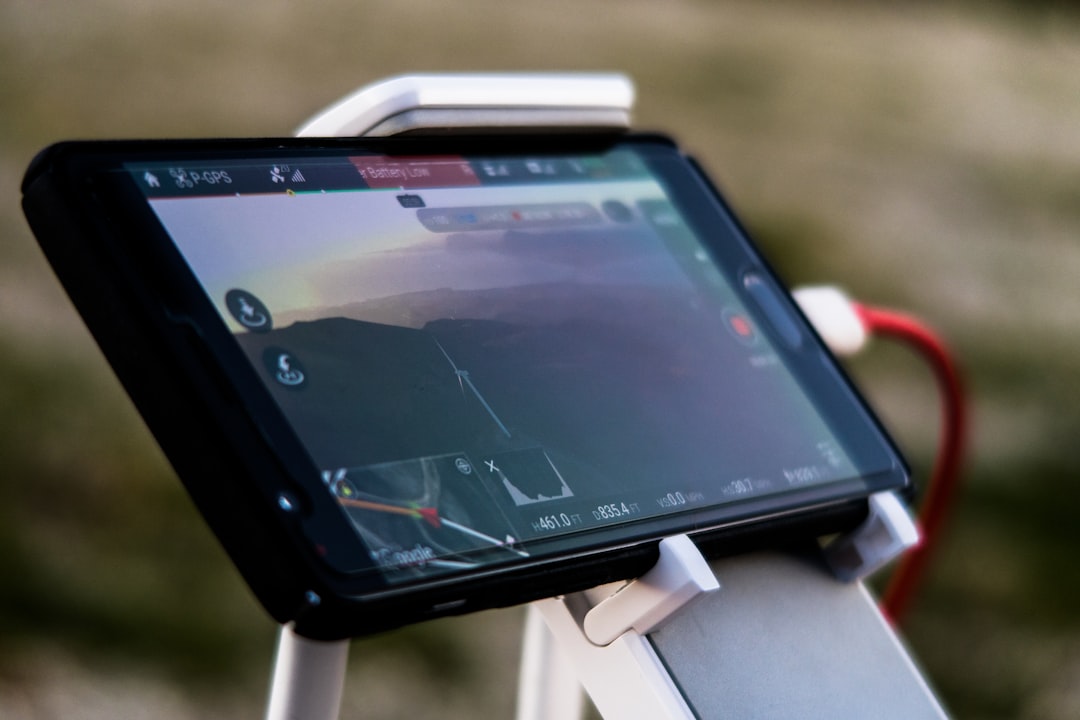
Aloft combines flight logging with airspace intelligence and authorization tools. As a provider integrated with the FAA’s LAANC system, it offers automated airspace approvals directly within the operational workflow.
Key Features:
- LAANC Authorization: Near real-time airspace approvals within controlled zones.
- Fleet Overview Dashboard: Aircraft status, mission logs, and pilot assignments.
- Maintenance Records: Log repairs, inspections, and service notes.
- Team Management: Assign missions and monitor pilot activity.
- Operational Risk Planning: Built-in airspace and hazard mapping.
Aloft excels in operational planning. The platform bridges the gap between compliance and logistics, allowing operations managers to evaluate controlled airspace, submit authorization requests, log flights, and monitor aircraft status in one environment.
This integrated workflow is particularly valuable for companies performing recurring urban inspections, media operations, or construction surveys where airspace approvals are routine.
4. FlyFreely
Best for enterprise risk management and safety-focused organizations.
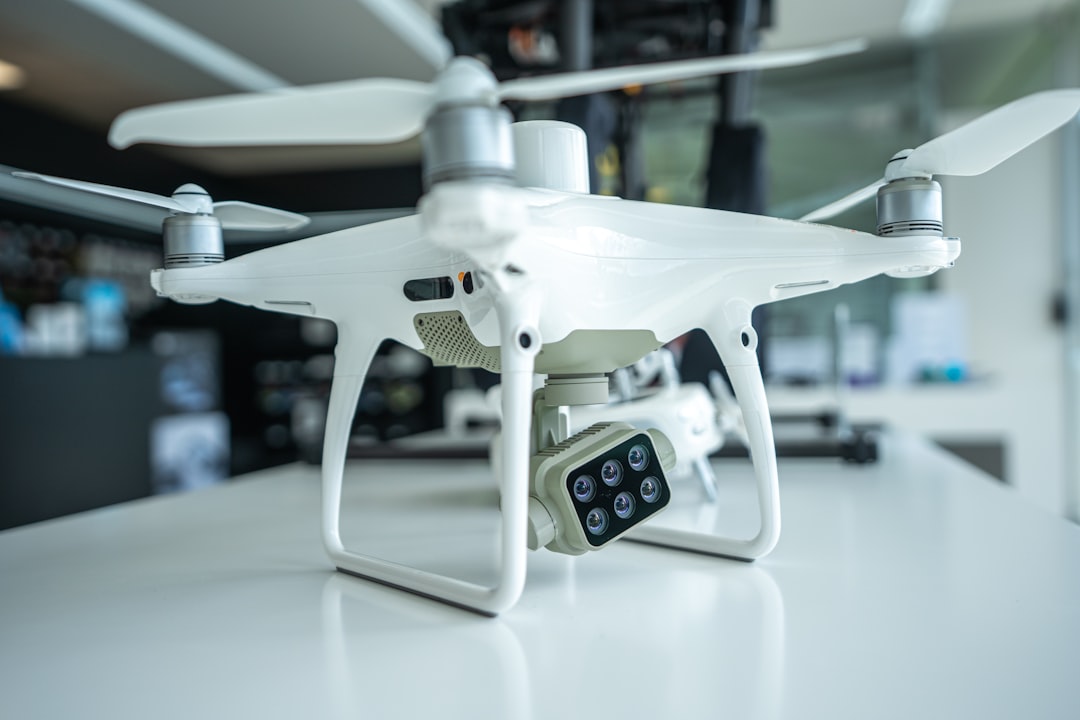
FlyFreely positions itself as a full-scale drone operations management platform designed for enterprise risk mitigation. It goes beyond basic logging to support safety management systems (SMS) and operational risk assessments.
Key Features:
- Digital Job Safety Assessments (JSA): Structured pre-flight risk evaluation.
- Fleet Maintenance Scheduling: Service reminders and component tracking.
- Flight and Mission Logs: Centralized and searchable records.
- Compliance Monitoring: Policy acknowledgment and training tracking.
- Asset Utilization Metrics: Insights into usage trends and efficiency.
FlyFreely is particularly attractive to large industrial operators in sectors such as mining, utilities, and oil and gas. These industries prioritize risk mitigation, safety documentation, and executive reporting.
The platform also supports structured workflows, ensuring that pilots complete pre-flight checks and documentation before missions are approved. This creates accountability and protects organizations from operational negligence.
Comparison Chart
| Feature | AirData UAV | DroneLogbook | Aloft | FlyFreely |
|---|---|---|---|---|
| Automated Flight Logs | Yes (extensive integrations) | Partial | Yes | Yes |
| Maintenance Tracking | Advanced component tracking | Compliance focused | Basic to moderate | Advanced scheduling |
| Airspace Authorization | Limited | No | Strong LAANC integration | Limited |
| Safety Management System | Moderate | Structured documentation | Moderate | Comprehensive SMS tools |
| Enterprise Scalability | High | High | Medium to High | High |
| Best For | Data driven fleet analytics | Regulatory compliance | Airspace heavy operations | Risk managed industries |
How to Choose the Right Platform
Selecting a drone fleet management system should be treated as a strategic operational decision. Consider the following criteria:
- Fleet Size: Larger fleets require automation, permissions management, and API integrations.
- Regulatory Environment: International operators may prioritize structured compliance tools.
- Airspace Complexity: Urban operators benefit from integrated authorization systems.
- Maintenance Intensity: High-utilization fleets require detailed component tracking.
- Integration Needs: Enterprise users may need ERP or safety system integrations.
Transitioning from manual logs to a SaaS platform often reveals inefficiencies and compliance gaps that were previously overlooked. Leaders should treat this process not just as software adoption, but as operational modernization.
Final Thoughts
Drone operations are increasingly held to the same standards of accountability as traditional aviation. Flight logs, maintenance documentation, and pilot certifications are no longer optional formalities—they are foundational to safe, scalable operations.
AirData UAV, DroneLogbook, Aloft, and FlyFreely each offer robust capabilities tailored to different operational priorities. Whether your focus is advanced analytics, regulatory documentation, airspace integration, or enterprise-grade safety management, a purpose-built SaaS solution significantly reduces risk while improving fleet visibility.
For serious drone programs, structured digital fleet management is not simply an efficiency upgrade. It is an essential safeguard for compliance, asset longevity, and operational credibility.