


Automotive restoration projects are complex undertakings that demand organization, communication, and precise coordination among team members. Whether restoring a classic muscle car, reviving a vintage European roadster, or rebuilding a rare collector’s truck, restoration shops often juggle multiple moving parts—both mechanical and managerial. Without proper project management tools, delays, miscommunications, and budget overruns can quickly derail even the most promising builds.
TLDR: Automotive restoration projects involve multiple specialists, timelines, and parts sourcing efforts that require strong coordination. Modern project management tools help restoration teams track progress, assign tasks, manage inventory, and communicate more effectively. Tools like Trello, Asana, Monday.com, ClickUp, and Smartsheet significantly improve transparency and accountability. Choosing the right platform can dramatically increase efficiency and reduce costly errors.
From bodywork specialists and engine builders to parts coordinators and customer service representatives, everyone involved in a restoration must stay aligned. The following five project management tools have proven especially effective in improving collaboration, tracking workflows, and streamlining operations within restoration shops.
1. Trello – Visual Task Tracking for Restoration Workflows
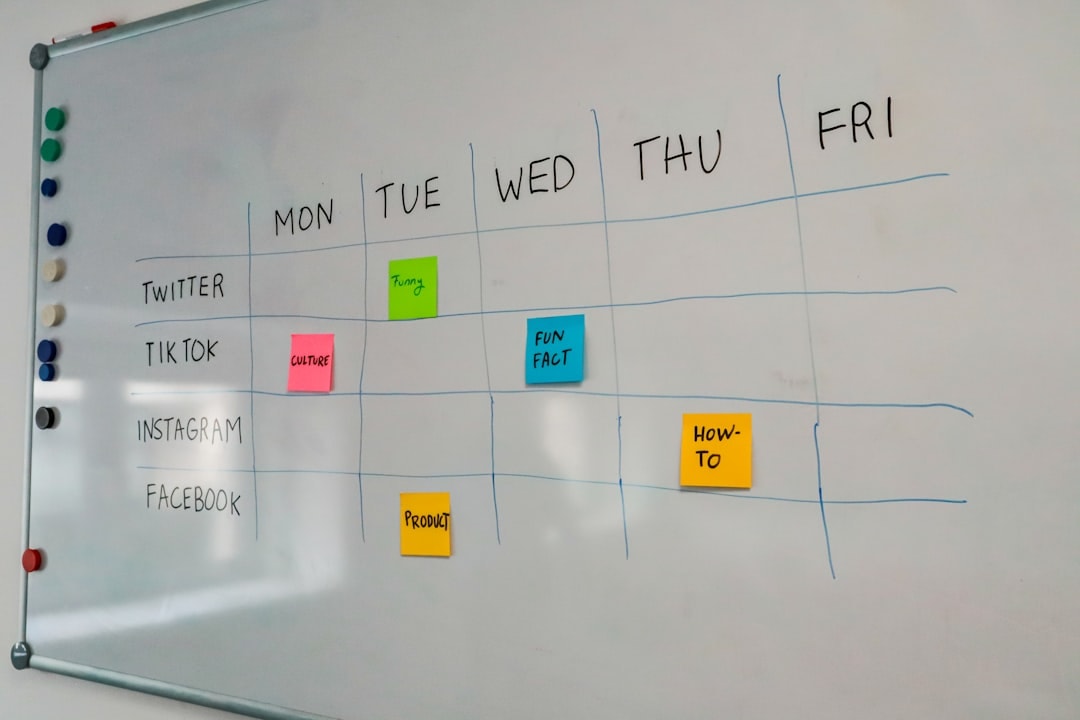
Trello is a visual project management tool built around boards, lists, and cards. For automotive restoration shops, this layout mirrors the phases of a build—disassembly, assessment, parts sourcing, metalwork, paint, reassembly, and quality control.

Why It Works for Restoration Teams
- Visual Workflow Management: Teams can move task cards from “To Do” to “In Progress” to “Completed.”
- Photo Attachments: Technicians can upload images of damage, part serial numbers, or progress updates.
- Checklist Features: Break down complex procedures such as engine rebuild steps or electrical rewiring tasks.
- Deadline Alerts: Keep paint curing schedules and delivery commitments on track.
For smaller shops or boutique restoration teams, Trello’s simplicity helps maintain clarity without overwhelming staff. Its intuitive interface makes onboarding easy, especially for technicians who may not be tech-savvy.
Best for: Small to mid-sized restoration teams needing a straightforward visual task manager.
2. Asana – Structured Task Dependencies for Complex Builds
Asana excels in multi-phase, highly detailed restoration projects where tasks depend on one another. For instance, bodywork must be completed before paint prep begins, and wiring cannot be finalized until drivetrain placement is complete.
Key Advantages
- Task Dependencies: Prevents premature work from starting before prerequisite jobs are finished.
- Timeline View: Functions like a Gantt chart, ideal for mapping long-term restorations.
- Role Assignments: Assign clear responsibilities to fabricators, painters, or engine specialists.
- Client Updates: Controlled visibility for client-facing progress summaries.
Asana helps shop managers forecast bottlenecks and manage multiple builds simultaneously. For high-end restorations where clients expect regular updates and firm delivery estimates, structured task management is invaluable.
Best for: Large or high-value restorations with strict sequencing requirements.
3. Monday.com – Flexible Customization for Shop Operations
Monday.com provides exceptional customization, making it highly adaptable for restoration environments. Shops can create boards specifically for parts procurement, vendor communication, budget tracking, and labor allocation.

Standout Features
- Custom Workflows: Design boards tailored to restoration milestones.
- Inventory Tracking: Monitor ordered parts, backordered components, and delivery dates.
- Time Tracking: Log billable hours per technician.
- Automation: Trigger notifications when parts arrive or when milestones shift.
What sets Monday.com apart is its balance between power and usability. Restoration managers can automate repetitive administrative tasks, eliminating manual follow-ups and reducing communication lag between sourcing teams and mechanics.
Best for: Restoration businesses seeking customizable dashboards and strong administrative tracking.
4. ClickUp – All-in-One Coordination Powerhouse
ClickUp combines project management, documentation, chat, and goal tracking into one centralized system. For restoration shops juggling several builds, this integration reduces the need for separate communication platforms.
Benefits for Restoration Projects
- Built-in Docs: Store wiring diagrams, restoration plans, and compliance documents.
- Chat Integration: Quick real-time communication between departments.
- Custom Status Fields: Track restoration stages unique to each vehicle.
- Goal Monitoring: Measure project profitability and milestone completion percentages.
ClickUp is especially effective for shops managing multiple vehicles at once. Centralization minimizes lost information and ensures everyone works from the latest documentation.
Best for: Growing restoration businesses needing advanced integration and scalability.
5. Smartsheet – Data-Driven Oversight for Restoration Managers
Smartsheet is ideal for restoration companies that rely heavily on data, budgeting, and analytics. Its spreadsheet-style interface appeals to managers accustomed to structured data environments.


Core Capabilities
- Budget Tracking: Monitor restoration costs against estimates.
- Vendor Management: Track supplier communication and pricing history.
- Resource Allocation: Prevent technician overload.
- Reporting Dashboards: Present professional summaries to clients or investors.
For complex restorations involving rare parts or specialty subcontractors, Smartsheet’s structured oversight prevents cost overruns and enhances accountability.
Best for: Data-oriented managers overseeing high-budget or multi-vehicle operations.
Comparison Chart: Automotive Restoration Project Management Tools
| Tool | Best For | Strength | Ease of Use | Scalability |
|---|---|---|---|---|
| Trello | Small teams | Visual simplicity | Very High | Moderate |
| Asana | Complex builds | Task dependencies | High | High |
| Monday.com | Custom workflows | Automation and dashboards | High | High |
| ClickUp | Growing businesses | All-in-one platform | Moderate | Very High |
| Smartsheet | Data-focused management | Budget control and reporting | Moderate | Very High |
How These Tools Improve Team Coordination
Automotive restoration requires synchronizing numerous specialties. When communication relies solely on verbal updates or whiteboards, critical information often gets lost. Digital project management platforms centralize communication, ensuring that:
- Every team member sees real-time updates.
- Parts orders are tracked transparently.
- Responsibilities are clearly assigned.
- Deadlines remain visible and measurable.
Improved coordination reduces idle time. For example, if a painter can see when metalwork is scheduled for completion, materials can be prepared ahead of time. If a parts manager receives automatic notifications about backorders, alternative suppliers can be sourced quickly.
Ultimately, these tools shift restoration management from reactive problem-solving to proactive planning.
Choosing the Right Tool for a Restoration Shop
Not all restoration teams operate the same way. Smaller custom garages may benefit from the simplicity of Trello, while expansive restoration houses managing multiple six-figure projects may require ClickUp or Smartsheet.
When selecting a platform, restoration managers should consider:
- Team size and technical comfort level
- Project complexity
- Need for budget tracking
- Integration with accounting or CRM software
- Client reporting requirements
The best tool is the one that fits seamlessly into daily operations without disrupting productivity.
Frequently Asked Questions (FAQ)
1. Why do automotive restoration shops need project management tools?
Restoration projects involve multiple phases, specialists, parts suppliers, and deadlines. Project management tools keep tasks organized, improve accountability, and reduce delays caused by miscommunication.
2. Which tool is best for small restoration shops?
Trello is often ideal for smaller teams due to its simplicity, visual layout, and ease of use. It allows shops to track restoration progress without complex setup.
3. Can these tools help with parts inventory management?
Yes. Monday.com, ClickUp, and Smartsheet particularly excel at tracking parts orders, delivery dates, vendor communication, and inventory statuses.
4. Are these tools suitable for client communication?
Many platforms allow controlled client access or provide reporting dashboards. This transparency builds client trust and improves satisfaction.
5. Do these systems integrate with accounting software?
Most major project management tools offer integrations with accounting platforms, CRM systems, and time-tracking software to streamline financial oversight.
6. How long does it take to implement a project management system?
Implementation time varies, but small teams can often adopt simple tools like Trello in a matter of days. More complex systems may require structured onboarding and training.
Automotive restoration is as much about precision management as it is about craftsmanship. By adopting the right project management tool, restoration teams can significantly improve coordination, enhance transparency, and deliver high-quality builds on time and within budget.