



In an ever-changing employment landscape, finding a career that offers both job security and consistent professional development can be a challenge. One career path that often gets overlooked, yet offers immense opportunities for stability, advancement, and purpose, is that of an Army Civilian. These roles provide vital support to military operations while offering a fulfilling and structured work environment for professionals in numerous fields.
TLDR: Army Civilian careers deliver long-term job security, competitive benefits, and steady career growth. These positions support military operations without requiring enlistment. With opportunities across engineering, healthcare, administration, and technical fields, the Department of the Army offers a diverse range of civilian roles. It’s a compelling option for those seeking mission-driven work in a stable and growth-oriented environment.
The Bedrock of National Defense: Army Civilians
Army Civilians are not members of the military, but they serve and support the Army’s mission in essential ways. Employed by the Department of the Army, these professionals bring their expertise to everything from logistics and cybersecurity to human resources and public health. With over 330,000 civilians currently employed by the U.S. Army, their contributions are both expansive and critical to the effective functioning of our national defense system.
Working as an Army Civilian means becoming an integral part of an organization that upholds the highest standards of discipline, service, and respect. Unlike uniformed personnel, civilians typically work a standard 40-hour workweek, enjoy weekends and holidays off, and are not subject to deployment. Yet, the work remains purposeful and connected to a greater mission.
Key Benefits of Army Civilian Careers
For those considering long-term employment, Army Civilian roles offer unmatched stability. Here are some of the core benefits:
- Job Security: As government employees, Army Civilians benefit from high job security based on federal employment standards.
- Comprehensive Benefits: Employees receive federal health and life insurance, retirement benefits, paid leave (sick and vacation), and access to the Thrift Savings Plan (TSP), a federal retirement investment program.
- Work-Life Balance: Most roles observe a conventional Monday to Friday schedule, with paid holidays and flexible work options available in many positions.
- Career Development: The Army promotes professional growth through training programs, continuing education opportunities, and a structured approach to internal promotions.

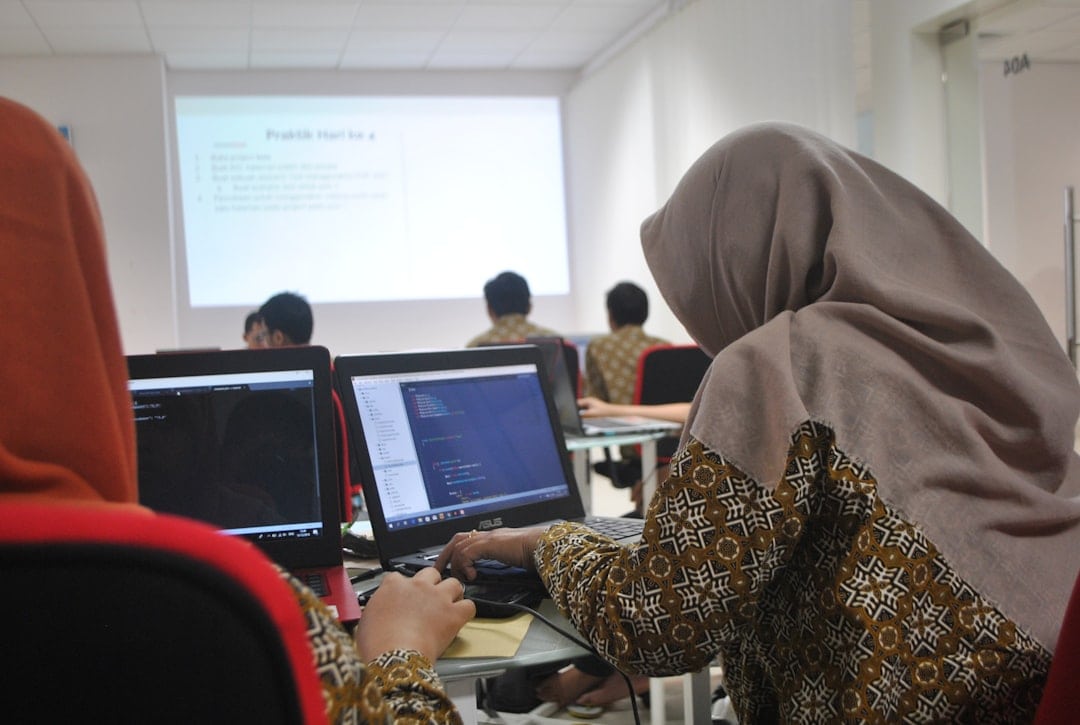
These positions are also available worldwide, meaning employees with a love for travel or cultural immersion can find roles in Europe, Asia, and other global locations—while still enjoying the support and consistency of the U.S. government infrastructure.
Wide Range of Career Fields
One of the most attractive features of becoming an Army Civilian is the diversity of career paths available. Regardless of your academic background or skill set, there’s likely a role that suits your expertise. Here are a few major categories:
- STEM Careers: Engineers, IT specialists, data analysts, and cybersecurity professionals are in high demand to support technological and operational efficiency.
- Medical and Health Services: From nurses and pharmacists to mental health professionals and epidemiologists, Army Civilians play an essential role in maintaining the health of soldiers and their families.
- Logistics and Supply Chain: Professionals in logistics coordinate and ensure that soldiers have the equipment and supplies they need—on time and in the right place.
- Human Resources and Administration: The management of personnel and administrative functions ensures smooth operations across all Army departments.
- Education and Training: Teachers, trainers, and instructional designers help build and improve the skills of Army personnel through structured courses and curricula.
Professional Growth with Purpose
Unlike many corporate roles that cap career advancement or offer growth only at the cost of work-life balance, Army Civilian careers foster continuous development within a structured framework. Employees are encouraged to develop professionally through:
- Federal Training Programs: Structured learning initiatives such as leadership development programs, certification courses, and technical workshops.
- Tuition Assistance: Financial aid options support further education, whether you’re pursuing a new degree or advancing within your current field.
- Mentorship and Leadership Tracks: Emerging leaders are often identified and mentored, fast-tracking them into higher-responsibility positions within the federal system.


This environment ensures that motivated individuals never feel stagnant. The ability to ascend through the civil service ranks also means that long-term careers can evolve and expand in scope and salary over time, without changing employers.
Stability in Uncertain Times
In the private sector, employees are often at the mercy of market shifts, budget cuts, or corporate restructuring. In contrast, federal careers like those of Army Civilians historically maintain a high degree of financial insulation from economic downturns. During global recessions or public health crises, these positions remain stable and adequately funded.
This reliability makes Army Civilian careers particularly attractive for professionals seeking long-term stability without sacrificing meaning in their work. Being part of the Army Civilian workforce means operating under an organization that is mission-focused, process-driven, and backed by robust systems of accountability and support.
Application Process and Qualifications
To become an Army Civilian, applicants must navigate the federal hiring process, typically managed through the USAJobs.gov platform. Here’s a brief overview of key application steps:
- Create a Detailed Federal Resume: This differs from a standard resume and includes extensive work history, references, and specifics on accomplishments and skills.
- Search and Apply: Use the USAJobs platform to find Army Civilian positions that align with your background and interests. Filter searches by location, pay scale, and occupational series.
- Security Clearance: Many roles require a background check and security clearance, though not all positions demand the same level.
- Interview and Offer: If selected, candidates complete interviews—often a mix of behavioral and technical questions—before receiving a conditional job offer.
Applicants should be prepared for a longer hiring process than in the private sector, but the reward is a career rooted in purpose, pride, and reliability.
Conclusion: A Career Worth Considering
Army Civilian careers offer more than just a paycheck—they provide a sense of mission, a structured path to personal and professional growth, and the comfort of predictability in an unpredictable world. From engineers developing next-generation defense systems to healthcare professionals supporting soldier readiness, these roles impact lives on a national and global scale.
If you’re looking for a career that combines substance, service, and security, stepping into an Army Civilian role might just be the ideal next step. Whether you’re a recent graduate, a seasoned professional, or someone seeking a mid-life career pivot, explore the vast opportunities within the Department of the Army—and join the ranks of those who serve the nation without wearing a uniform.