



Whether you’re streaming your favorite podcast, listening to high-fidelity music, or editing audio for a video project, understanding audio bitrates is essential to achieving the best balance between quality and file size. In the digital audio world, bitrate plays a crucial role in determining how good your audio sounds—and the needs are not the same for music and speech. Let’s dive into why different types of audio require different bitrates, and how to pick the right one for your needs.
What is Audio Bitrate?
Bitrate refers to the amount of data processed over a given amount of time in an audio file and is typically measured in kilobits per second (kbps). Higher bitrates usually result in better audio quality but also lead to larger file sizes. Lower bitrates compress data more but might compromise quality, especially for complex sounds like music.
To put it simply:
- Higher bitrate = Better quality but larger file size
- Lower bitrate = Smaller file size but lower quality
Different types of audio content benefit differently from various bitrate settings. Music, with its wide range of frequencies and dynamic changes, often needs a higher bitrate than speech content, which is more predictable and narrow in its frequency range.
Why Music Needs Higher Bitrates
Music is rich, layered, and nuanced. It includes vocals, instruments, effects, and sometimes background ambiance. To capture all this detail, the audio needs to be encoded at a bitrate that can handle complex sound without creating noticeable artifacts or distortions. Lossy formats like MP3 and AAC use compression algorithms to reduce file sizes, but they can only do so much before the quality noticeably degrades.
Here are some common bitrate recommendations for music:
- 320 kbps (MP3 or AAC): This is generally considered transparent to most listeners and is equivalent to CD-quality audio in many cases.
- 256 kbps: Often used by music streaming platforms; offers a good balance between size and quality.
- 128 kbps: Acceptable for casual listening, but may result in flat-sounding music where details are lost.


High bitrates preserve detail in sound. For example, at 320 kbps, the subtle resonance of a violin or the spatial dimension of a concert hall is better preserved compared to lower bitrates.
Why Speech Can Get Away with Lower Bitrates
Unlike music, speech typically involves a single voice speaking at a conversational pace, focusing primarily in the mid-frequency ranges. This makes it far less demanding in terms of bitrate. As a result, you can compress speech more aggressively without significantly affecting the intelligibility of the audio.
Here’s a quick guide to bitrate recommendations for speech content:
- 96 kbps: High-quality speech; ideal for audiobooks and professional podcasts with music intros or effects.
- 64 kbps: Standard for many podcasts and radio shows; clear and easy to follow.
- 32 kbps: Acceptable for telephony or archival content where space is a concern and clarity is less critical.

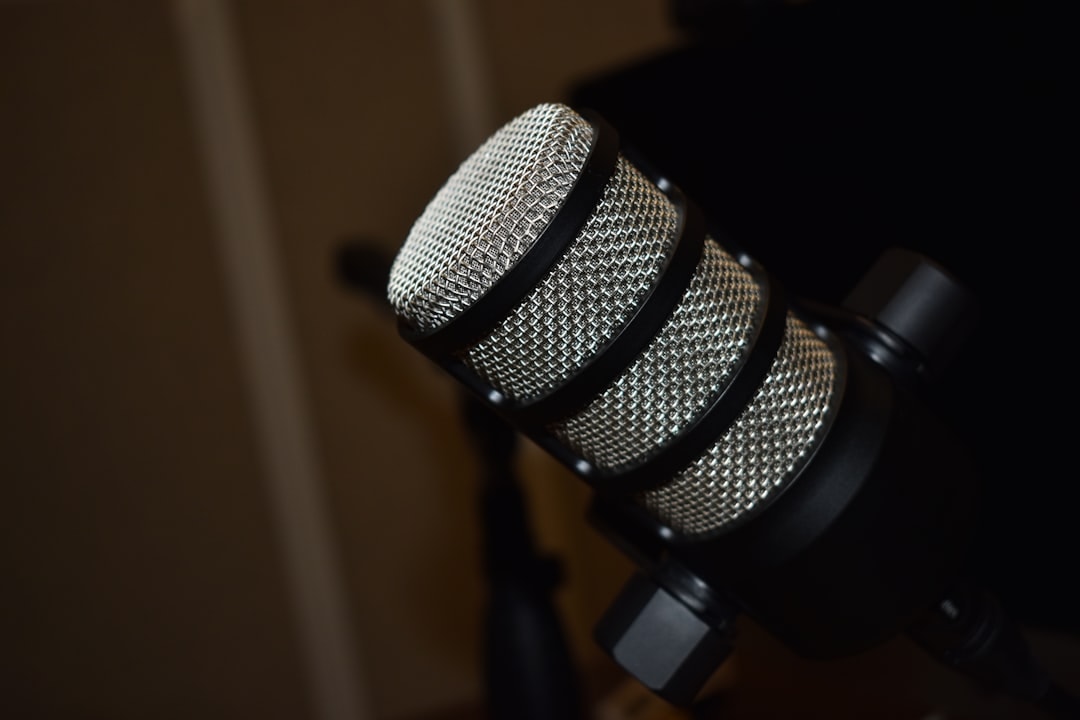
Using lower bitrates for speech is ideal when dealing with large volumes of audio, especially in bandwidth-limited scenarios. For example, streaming a daily 30-minute podcast at 64 kbps can use up significantly less storage and bandwidth compared to higher bitrates, while still sounding great to listeners.
Compression Formats Matter Too
Bitrate isn’t the only factor that affects audio quality — the codec (or compression algorithm) also plays a big role. Popular formats like MP3 and AAC offer lossy compression, where some data is lost to reduce file size. Formats like WAV and FLAC provide lossless compression, retaining all audio details but consuming much more space.
Here’s how popular codecs handle bitrates:
- MP3: Widely compatible but less efficient; you may need higher bitrates to achieve decent quality.
- AAC: More efficient than MP3 at similar bitrates; ideal for streaming services like Apple Music and YouTube.
- Opus: Optimized for speech and streaming; delivers excellent quality at very low bitrates—perfect for VoIP and podcasts.
- FLAC and WAV: Lossless formats suitable for archiving and high-fidelity music playback.
If you’re encoding speech with Opus at 32 kbps, you might get better results than MP3 at 64 kbps, especially in challenging transmission environments like mobile networks.
Choosing the Right Bitrate: Key Factors
Selecting the perfect bitrate for your project depends on several variables. Ask yourself:
- What is the content? Music demands a higher bitrate than plain speech.
- How will it be consumed? Headphones, speakers, and streaming services all influence the perceived quality.
- What are the file size or bandwidth limitations? Lower bitrates may be essential for mobile apps, online streaming, or massive libraries.
- What format am I using? Some codecs perform better at lower bitrates.
For example, if you’re distributing a music album on a streaming platform, go with at least 256 kbps AAC. But if you’re producing a podcast for a broad audience, 64 or 96 kbps MP3 or Opus will suffice.
Bitrate vs. Sample Rate and Bit Depth
It’s easy to confuse audio bitrate with sample rate and bit depth, but they’re not the same.
Sample rate is how many times per second audio is sampled (standard is 44.1 kHz), and bit depth determines the amount of detail per sample (usually 16-bit or 24-bit). These factors are crucial in professional audio recording and editing but less relevant for the average listener dealing with compressed formats. Bitrate becomes the main concern for playback and streaming.
Streaming Services: Clever Bitrate Adaptation
Modern streaming platforms use adaptive bitrate streaming, which adjusts the audio quality based on your internet connection. For instance:
- Spotify: Offers different tiers—96 kbps for mobile, 160 kbps for standard streaming, and 320 kbps for premium.
- Apple Music: Uses AAC to deliver similar quality to MP3 at lower bitrates (~256 kbps).
- YouTube: Encodes both audio and video to adapt to your bandwidth, with audio bitrates often between 128-256 kbps.
This approach ensures the best experience regardless of network conditions, especially when streaming on mobile data.
Final Thoughts: Balance is Key
Choosing the correct audio bitrate is about finding the right balance—between quality, compatibility, and storage efficiency. Music lovers and professionals should incline toward higher bitrates or lossless formats when possible. Meanwhile, podcasters, educators, and voice-over artists can often save space without sacrificing intelligibility by leveraging lower bitrates and efficient codecs.
As a rule of thumb:
- Music: ≥256 kbps (lossy) or lossless for best experience
- Speech: 64–96 kbps (lossy) is usually more than enough
So whether you’re building a new podcast or compiling a high-fidelity music playlist, a basic understanding of bitrates can go a long way in enhancing your audio experience—and that of your listeners.

