


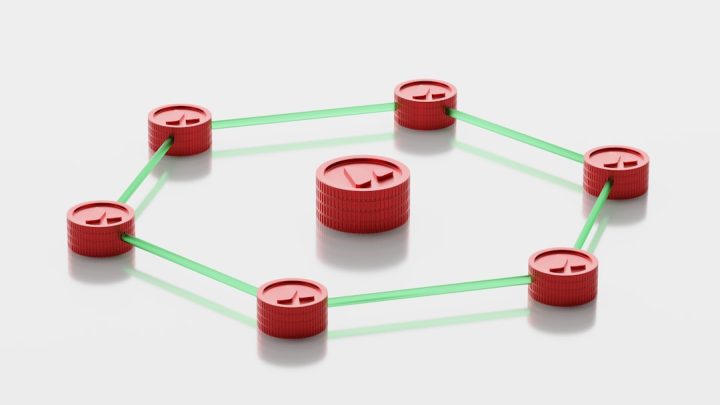
Modern applications demand speed, reliability, and global reach. As users expect near-instant responses from anywhere in the world, traditional centralized cloud architectures can struggle to meet performance requirements. Edge computing platforms like Cloudflare Workers have emerged as a compelling solution by enabling developers to run code closer to end users. This shift fundamentally changes how web applications are deployed, scaled, and secured.
TLDR: Edge computing platforms such as Cloudflare Workers allow developers to run code at distributed points of presence closer to users, reducing latency and improving reliability. Unlike traditional cloud models that rely on centralized data centers, edge platforms execute logic globally across large networks. This architecture enhances performance, scalability, and security while simplifying infrastructure management. For modern, globally distributed applications, edge computing is quickly becoming a foundational approach.
At its core, edge computing refers to the practice of processing data near the source of demand rather than in a distant centralized data center. In practical terms, this means code executes in geographically distributed locations—often at the network edge—minimizing the physical and network distance between users and applications.
The Limitations of Traditional Cloud Architectures
Traditional cloud computing relies heavily on regional data centers. While major cloud providers operate multiple regions worldwide, applications must still route user requests to specific centralized servers. This model presents several limitations:
- Increased latency: Requests may travel hundreds or thousands of miles before reaching application logic.
- Higher infrastructure complexity: Managing multiple regions requires careful replication, synchronization, and failover planning.
- Scaling constraints: Infrastructure typically scales within defined regions, adding operational overhead.
- Failure domains: Outages or network congestion in one region can impact large user segments.
For applications serving global audiences—such as ecommerce platforms, SaaS tools, gaming services, or content-heavy websites—these limitations can become performance bottlenecks. Even small increases in latency can reduce engagement and conversion rates.
Edge platforms address these issues by distributing compute execution across a global network infrastructure. Instead of choosing a deployment region, developers deploy code to a network that automatically executes it geographically close to users.
How Platforms Like Cloudflare Workers Operate
Cloudflare Workers and similar platforms operate on a fundamentally different architecture compared to traditional virtual machines or container-based deployments. They rely on lightweight execution environments, often based on isolates or sandboxed runtimes, which allow code to be deployed and started instantly without traditional server provisioning.

When a user sends a request:
- The request is routed to the nearest edge location in the provider’s global network.
- The platform executes the application logic within milliseconds.
- The response is returned directly from that edge location.
This process eliminates the need for long round trips to centralized servers. The result is lower latency, faster response times, and improved perceived performance.
One key differentiator of platforms like Cloudflare Workers is the absence of traditional server management. Developers do not provision instances, configure load balancers, or define auto-scaling rules. Instead, the platform dynamically handles scaling across its distributed infrastructure.
Performance Benefits of Running Code at the Edge
Performance is one of the most compelling advantages of edge computing. The closer compute runs to the user, the faster applications can respond.
Major performance improvements include:
- Reduced network latency: Requests terminate at the nearest edge node.
- Faster API responses: APIs execute geographically closer to clients.
- Improved content personalization: Dynamic content can be generated without routing back to an origin server.
- Optimized caching strategies: Intelligent caching at the edge reduces origin load.
For example, authentication checks, A/B testing logic, geolocation customization, or lightweight data queries can all execute at the edge without touching a central server. This reduces both time-to-first-byte (TTFB) and overall load times.
In high-traffic scenarios, distributing compute also prevents bottlenecks. Since requests are handled across many global locations, traffic is naturally load-balanced at a network level.
Security Advantages of Edge Platforms
Edge computing also delivers important security benefits. Platforms like Cloudflare integrate application execution with network-level security controls.


Key security enhancements include:
- Built-in DDoS mitigation: Distributed infrastructure absorbs malicious traffic across the network.
- Isolation-based execution: Code runs in sandboxed environments, minimizing risk exposure.
- Zero trust architecture integration: Identity and access controls can be enforced at the edge.
- Reduced attack surface: Origin servers can remain hidden behind the edge network.
By validating requests and enforcing security policies before traffic reaches critical backend systems, organizations can significantly reduce vulnerability. The distributed nature of edge platforms also means that attacks are less likely to overwhelm a single point of failure.
Common Use Cases for Edge Computing
Edge computing is not limited to static content delivery. Modern platforms enable dynamic application logic, making them suitable for a wide range of use cases:
- Authentication and authorization gateways
- API aggregation and transformation
- Real-time personalization
- Feature flag evaluation
- Bot detection and request filtering
- Server-side rendering (SSR) for web applications
- Edge caching and response modification
Increasingly, developers are also building entire backend services directly on edge platforms. With support for edge databases, key-value storage, and durable objects, these platforms are evolving beyond simple request handlers into comprehensive application environments.
Architectural Differences Compared to Containers and VMs
Traditional infrastructure relies on:
- Virtual Machines (VMs)
- Containers orchestrated by systems like Kubernetes
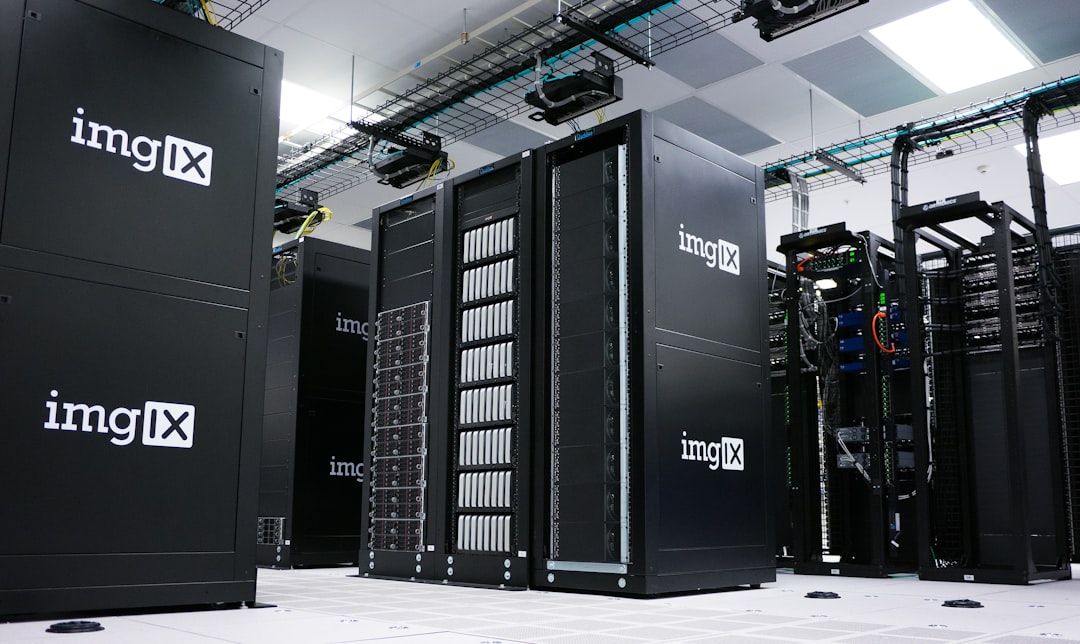
While powerful, these environments require resource allocation, cold start management, and scaling configuration. In contrast, platforms like Cloudflare Workers use lightweight isolates that start in milliseconds and consume resources only when actively handling requests.

This model offers several operational advantages:
- No server maintenance: Developers focus solely on code.
- Automatic scaling: Requests scale horizontally across global edge nodes.
- Cost efficiency: Billing typically reflects actual execution time rather than reserved capacity.
- Rapid deployment: Global distribution happens instantly.
However, edge platforms are optimized for specific workloads. They may impose execution time limits, memory constraints, and runtime limitations compared to full virtualized environments. As such, high-compute or long-running batch jobs may still require traditional cloud infrastructure.
Challenges and Considerations
Despite their advantages, edge computing platforms require thoughtful implementation. Organizations should consider:
- State management: Stateless architectures are easier to scale at the edge, while persistent state requires specialized distributed storage solutions.
- Data consistency: Globally distributed systems introduce replication and synchronization complexities.
- Vendor ecosystem reliance: Edge platforms often tie applications to provider-specific tooling.
- Observability: Monitoring distributed edge environments demands advanced logging and tracing strategies.
Additionally, development teams must understand runtime constraints. Edge environments may have limitations compared to full Node.js or traditional server environments. Careful architectural design ensures that workloads are appropriately matched to edge capabilities.
The Strategic Role of Edge Computing in Modern Applications
As digital experiences become increasingly global, the importance of geographic proximity continues to grow. Consumers expect applications to perform consistently regardless of location. Enterprises must deliver secure, responsive systems across continents without building and managing infrastructure in dozens of regions.
Edge computing represents a strategic shift rather than a simple optimization. It enables:
- Globally distributed execution by default
- Integrated performance and security
- Simplified DevOps operations
- Improved reliability through decentralization
Platforms like Cloudflare Workers illustrate how infrastructure can evolve from centralized clusters to globally distributed networks that function as programmable layers of the internet itself.
Conclusion
Edge computing platforms such as Cloudflare Workers are redefining how applications are built and deployed. By moving compute closer to users, they dramatically reduce latency, enhance reliability, and strengthen security. They eliminate much of the operational complexity associated with traditional server management, allowing developers to focus on delivering value rather than managing infrastructure.
While not a universal replacement for centralized cloud services, edge platforms are increasingly becoming a foundational layer for modern web architecture. As global traffic continues to grow and user expectations rise, running code closer to the user is no longer optional—it is a strategic imperative. Organizations that adopt edge computing thoughtfully will be better positioned to deliver fast, secure, and resilient digital experiences at a global scale.