


Keeping track of business expenses used to mean overflowing envelopes, crumpled receipts, and hours spent reconciling spreadsheets. Today, expense management apps are transforming how companies monitor, control, and optimize their spending. Whether you’re a startup founder managing cash flow, a finance manager overseeing multiple departments, or a freelancer juggling client reimbursements, digital tools make expense tracking faster, smarter, and far more accurate.
TL;DR: Expense management apps help businesses track spending in real time, automate reimbursements, and simplify accounting. They reduce errors, improve visibility, and support better financial decisions. Features like receipt scanning, policy enforcement, and integrations with accounting software save time and increase control. Choosing the right app depends on your company size, workflow complexity, and reporting needs.
Why Expense Management Matters More Than Ever
In today’s business environment, every dollar counts. Rising operational costs, remote work arrangements, and global transactions have made tracking expenses more complex. Manual processes are not just inefficient—they’re risky. Lost receipts, delayed reimbursements, and inaccurate reports can lead to:
- Cash flow issues
- Tax compliance risks
- Fraud or unauthorized spending
- Poor budgeting decisions
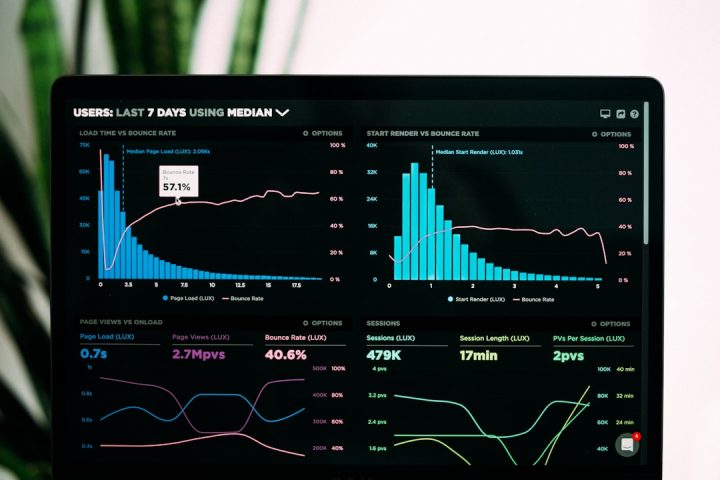
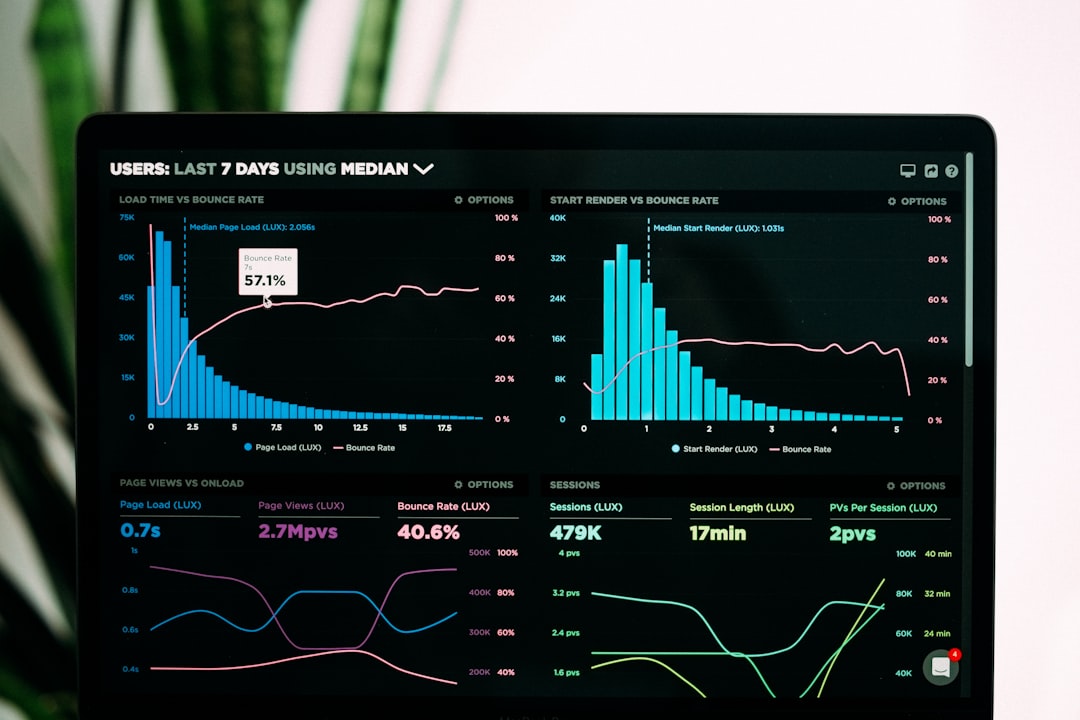
Expense management apps centralize spending data, making it easier for decision-makers to understand where money is going. With real-time dashboards and automated reports, businesses can spot trends, cut unnecessary costs, and allocate resources more strategically.

Core Features of Modern Expense Management Apps
Not all apps are created equal, but most high-performing platforms include a combination of the following features:
1. Receipt Scanning and OCR Technology
Using optical character recognition (OCR), apps can scan paper receipts through a smartphone camera and automatically extract relevant details such as vendor name, date, and amount. This eliminates manual data entry and reduces errors.
2. Real-Time Expense Tracking
Employees can log expenses as they occur, allowing finance teams to monitor spending instantly rather than waiting for end-of-month reports.
3. Automated Approval Workflows
Customizable approval chains ensure that expenses are reviewed by the right people. Notifications and reminders prevent bottlenecks and speed up reimbursements.
4. Policy Enforcement
Expense apps can automatically flag violations of company policies, such as exceeding meal limits or booking non-approved vendors. This helps maintain compliance without micromanagement.
5. Integration with Accounting Software
Seamless integration with accounting and payroll systems ensures that expense data flows smoothly into financial records, minimizing duplicate work.
Benefits for Small Businesses and Startups
For small businesses, managing finances efficiently can determine survival and growth. Expense management apps offer several advantages:
- Reduced Administrative Burden: Automation frees up time for strategic work.
- Improved Cash Flow Visibility: Real-time tracking prevents surprises.
- Faster Reimbursements: Employees are repaid quickly, improving morale.
- Scalability: As the business grows, the system grows with it.
A startup founder, for example, can instantly see how much is being spent on marketing, travel, or software subscriptions. This level of transparency makes budgeting far more precise.
Expense Management for Remote and Hybrid Teams
The rise of remote work has complicated traditional expense tracking. Teams are dispersed across cities, countries, and time zones. Paper-based processes simply can’t keep up.
Mobile-friendly expense apps allow employees to:
- Upload receipts from anywhere
- Submit mileage claims digitally
- Track travel and accommodation expenses in real time
- Receive reimbursements via direct deposit
This flexibility ensures that remote and hybrid teams remain aligned with company financial policies, no matter where they operate.


Enhancing Financial Visibility Through Data
Data is one of the most powerful aspects of expense management software. Instead of guessing where money is going, businesses can rely on detailed analytics.
Advanced apps provide:
- Customizable Reports: Filter by department, project, or employee.
- Spending Trends: Identify seasonal or recurring expense patterns.
- Budget Comparisons: Compare actual expenses against planned budgets.
- Forecasting Tools: Predict future spending based on historical data.
With this information, leaders can make evidence-based decisions. For example, if travel costs are consistently exceeding projections, it might be time to renegotiate vendor contracts or adjust policies.
Fraud Prevention and Compliance
Expense fraud, whether intentional or accidental, can significantly impact profits. Duplicate submissions, inflated receipts, or personal expenses disguised as business costs are more common than many companies realize.
Expense management apps mitigate these risks through:
- Automated duplicate detection
- Audit trails for every transaction
- Digital timestamps and geolocation tagging
- Role-based access controls
Additionally, maintaining accurate digital records simplifies tax preparation and compliance with local regulations. During audits, businesses can quickly retrieve organized documentation instead of scrambling for paperwork.
Corporate Cards and Expense Apps: A Powerful Combination
Many modern platforms integrate with corporate credit cards. Transactions are automatically recorded and matched with uploaded receipts, creating a seamless reconciliation process.
The benefits of combining corporate cards with expense apps include:
- Instant transaction visibility
- Spending limits by employee or department
- Automatic categorization of expenses
- Reduced out-of-pocket costs for employees
This approach not only saves time but also enhances financial control at every level of the organization.
Image not found in postmetaChoosing the Right Expense Management App
With many options available, selecting the right tool requires careful consideration. Here are key factors to evaluate:
1. Business Size and Complexity
A freelancer may only need basic tracking and receipt storage, while a multinational corporation requires multi-currency support and advanced reporting features.
2. Ease of Use
If employees find the platform confusing, adoption will suffer. Look for an intuitive interface and simple submission process.
3. Integration Capabilities
Ensure compatibility with your existing accounting, payroll, and enterprise resource planning systems.
4. Security Measures
Financial data is sensitive. Choose a solution with strong encryption, multi-factor authentication, and compliance with data protection standards.
5. Pricing Structure
Some apps charge per user, while others offer tiered plans. Consider both current needs and future growth when evaluating costs.
Best Practices for Implementation
Simply purchasing an expense management app is not enough. Successful implementation requires planning and communication.
Establish Clear Policies:
Document spending guidelines, reimbursement timelines, and approval procedures before launching the app.
Train Employees:
Provide step-by-step tutorials and support resources to encourage adoption.
Monitor and Optimize:
Regularly review reports and workflows to identify areas for improvement.
Encourage Feedback:
Employees who use the system daily can provide valuable insights into usability and efficiency.
The Future of Expense Management
The evolution of expense management is far from over. Emerging technologies like artificial intelligence and machine learning are making apps even smarter. Future developments may include:
- Predictive expense approvals based on past behavior
- Voice-activated expense logging
- Deeper integration with travel booking systems
- Advanced anomaly detection to prevent fraud
As businesses increasingly prioritize agility and digital transformation, automated financial tools will become standard rather than optional.
Conclusion
Expense management apps are more than convenient digital tools—they are strategic assets that empower businesses to control spending, improve compliance, and make informed financial decisions. By automating routine tasks, enhancing transparency, and providing real-time insights, these platforms reduce administrative strain and unlock valuable data.
Whether you run a small startup or manage finances for a growing enterprise, investing in the right expense management system can deliver measurable returns. In a competitive marketplace where efficiency and accountability are paramount, smart expense tracking is not just helpful—it’s essential.