



Imagine typing a short prompt into a chatbot, sipping your morning coffee, and ending the day with a freshly minted short story or even the outline of a novel. It’s not as far-fetched as it sounds. With the emergence of AI tools like ChatGPT, aspiring and even professional writers are reimagining how stories are written. But how do real users transition from an idea to a published piece using AI? And what are the lessons they picked up along the way?
TLDR: Many writers have started using ChatGPT to outline, draft, and even edit full-length stories and novels. While the tool accelerates productivity, it’s far from perfect—requiring critical editorial oversight, creative input, and emotional nuance from the human author. Common pitfalls include overreliance on bland AI-generated prose and struggles maintaining a consistent tone. Those who found success focused more on collaboration than delegation with ChatGPT.
The Beginning: From Idea to Prompt
The journey usually starts with an idea—a fragment of a plot, a character, or sometimes just a theme. Users report beginning with simple instructions like:
- “Write a short story about a detective in a futuristic city.”
- “Help me brainstorm fantasy world rules.”
- “Create a novel outline involving time travel and family secrets.”
What follows is often a back-and-forth with ChatGPT, evolving the prompt into something more nuanced. Unlike traditional outlining, AI allows iterative idea development in near real-time.
“ChatGPT gave me a starting point when writer’s block hit hard. Just seeing something—anything—appear on the page reignited my creative engine.” — Rebecca, self-published indie author
Turning Prompts Into Drafts: The Collaborative Process
One of the most valuable uses of ChatGPT is in producing early drafts. Writers can prompt the AI with chapter summaries or scene goals, and receive fully fleshed-out prose in return. However, most users discovered that these drafts are not publishable as-is. They often sound impersonal or formulaic, lacking distinct voice or emotional depth.
Despite this, many found the tool invaluable for productivity. Here’s how writers use ChatGPT in various phases of their creative process:
1. Scene Construction
Need a romantic confession or a high-stakes chase? Writers prompt the AI to give them raw versions, which they tweak and refine.
2. Dialogue Drafting
Although a bit robotic at first, ChatGPT can help by suggesting lines that can later be made more human with editing.
3. Structural Edits
Users also found it helpful in suggesting acts, pacing adjustments, and character arcs based on chapter summaries.

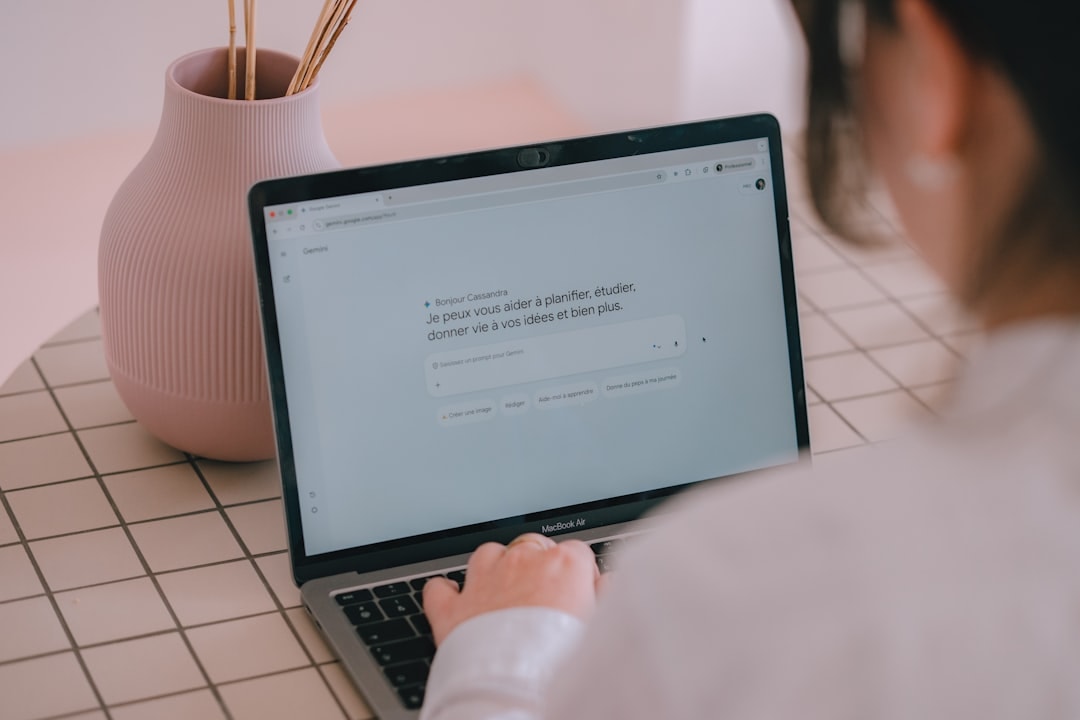
What Writers Learned by Working With AI
Using AI as a writing partner offers a learning curve and unique insights for both new and experienced authors. Here are some lessons shared by real users:
- You’re still the author. ChatGPT won’t make your story shine unless you’re willing to shape it with your voice, tone, and creativity.
- Revise relentlessly. Nearly all AI-generated drafts need heavy revisions. Many writers say they use the AI results as a first or “zero” draft.
- Clarity is key. The quality of the output often depends on how specific and clear your prompts are.
Some even began thinking more like screenwriters or directors—designing scenes and letting ChatGPT ‘act them out’ before revising for emotional nuance. This shift helped some break through creative blocks they’d been stuck on for months.
Common Pitfalls and Challenges
Though many writers sing praises of ChatGPT, relying too much on AI can lead to creative setbacks. Here are the most common missteps reported:
- Flat characters: ChatGPT tends to play safe and often crafts generic or idealized personalities.
- Pacing problems: AI sometimes speeds through dramatic scenes or over-explains mundane ones.
- Inconsistencies: Unless you keep detailed notes, ChatGPT can contradict earlier facts or character traits.
“I once had a character switch genders halfway through unknowingly because I didn’t track it carefully from prompt to prompt.” — Tom, hobby writer
Another huge note: writers caution against submitting unedited AI work to competitions or for publishing. Plagiarism detectors, style reviewers, and discerning readers may quickly notice heavily AI-generated content that lacks authenticity.
Refinements, Rewrites, and the Human Touch
This is where the magic happens. The editing phase becomes a playground of refining sentence rhythm, sharpening voices, and adding emotional subtext—tasks no AI, however advanced, can master like a trained writer.
Some writers compare this stage to working with a ghostwriter you constantly rewrite. ChatGPT’s usefulness doesn’t come from replacing the whole process but augmenting it.
Publishing and Going Public
After rounds of revisions, some writers took the plunge to publish their AI-assisted works. Platforms like Amazon Kindle Direct Publishing, Wattpad, and Medium saw an uptick in stories tagged with “AI-assisted” or “co-authored with ChatGPT.”
Interestingly, responses ranged from supportive to skeptical. Readers generally accepted AI-assisted content when it retained a unique authorial voice and brought something new to the table. One writer even spun off a newsletter titled “AI Chronicles” sharing weekly chapters of a serialized novel co-written with ChatGPT.
How ChatGPT Changed the Writing Process
The most profound impact of AI writing tools is not just on productivity—it’s on mindset. Here’s how writers say their approach has changed:
- Quicker drafting: First drafts come faster, removing psychological blocks.
- More experimentation: Writers feel more freedom to test alternative endings or scene variants.
- Collaborative mentality: Many see ChatGPT as a team member, offering feedback without judgment.
Moreover, it has democratized storytelling, empowering non-native speakers, neurodivergent individuals, and those intimidated by blank pages to take creative risks.
Tips for First-Time AI Writers
If you’re curious about trying it yourself, here are a few tips experienced users swear by:
- Always outline first. Even a skeleton keeps your narrative coherent.
- Set parameters. If you want 700 words of a Pirate battle set at night—say so.
- Rephrase & retry. If the output falls flat, tweak your prompt, not your idea.
- Embrace the red pen. Edit ruthlessly to make the story yours.
Final Thoughts
As AI tools like ChatGPT continue evolving, their role in the literary world will grow. What remains constant, though, is the irreplaceable spark of human creativity. The best stories still come from those who blend imagination, empathy, and experience—qualities no algorithm can replicate.
By understanding how to use ChatGPT not as a crutch but as a creative collaborator, countless writers are finding their voice, pushing output boundaries, and yes—finally finishing that novel.