


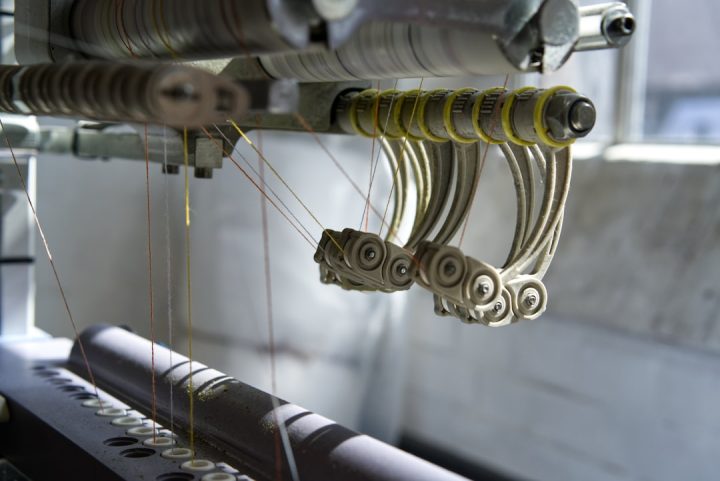
Imagine trying to make the perfect sandwich, but all your ingredients are scattered, mixed up, and some arrive too early or too late. That sandwich would be a mess! The same idea applies in the world of thin film deposition using CVD systems. If gases aren’t delivered correctly, the final film can be ruined. That’s where the gas manifold steps in.
TL;DR
The gas manifold in a CVD (Chemical Vapor Deposition) system controls the delivery of gases used to deposit thin films. It ensures the right gases arrive at the right time, in the right amount, and in the right condition. Without a well-designed manifold, the thin film may be uneven or contaminated. Think of it as the “traffic controller” for industrial gas flow.
What is a Gas Manifold?
Let’s break it down. A gas manifold is like a conductor in an orchestra. Each gas is like a musical instrument. The manifold makes sure every gas (instrument) plays its part at the right time, pressure, and flow rate.
It’s a network of valves, pipes, sensors, and regulators, all working together. These parts guide gases from cylinders or tanks into the CVD chamber. Inside that chamber, a thin film is deposited onto a surface, usually a silicon wafer.

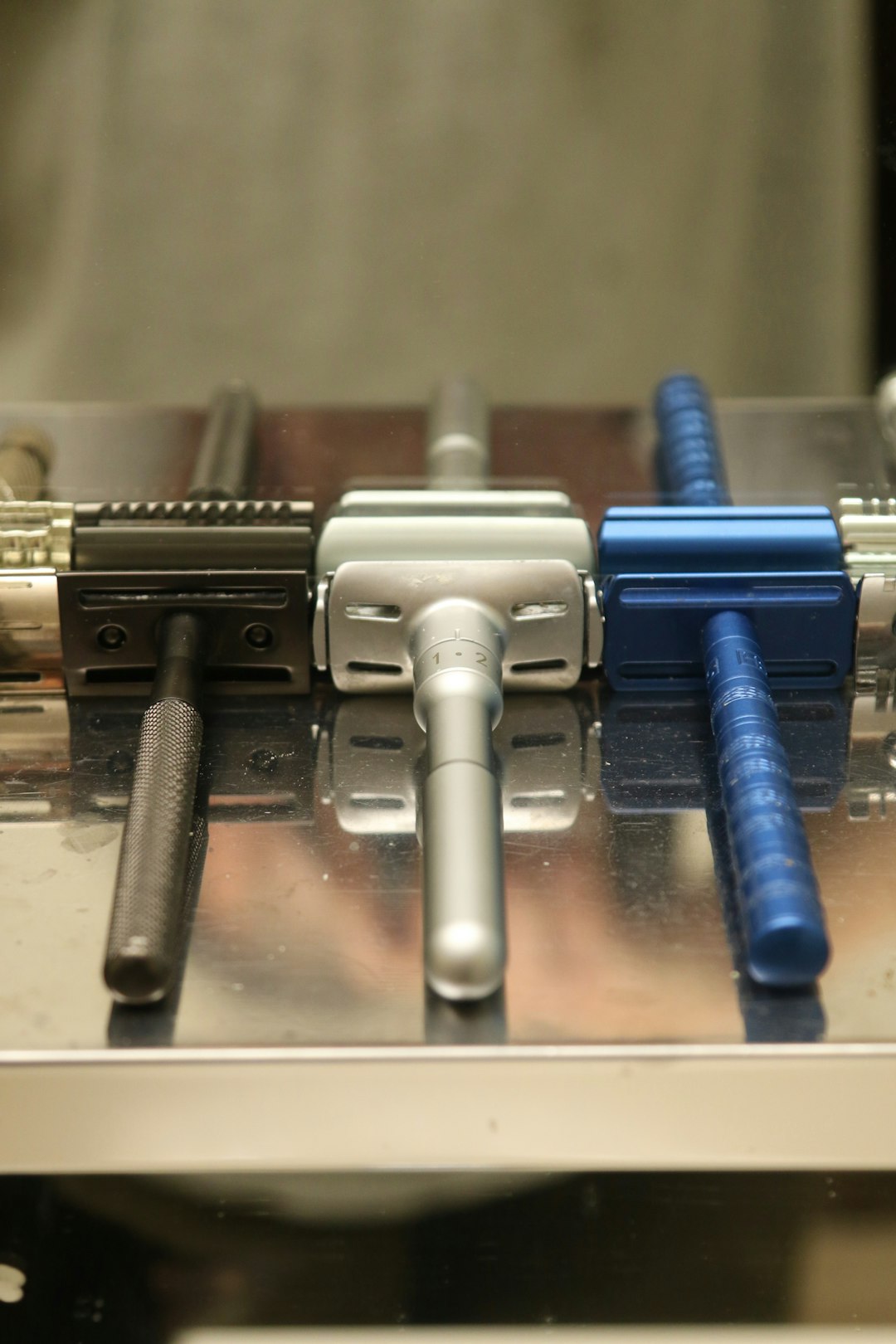
What’s a CVD System Again?
CVD stands for Chemical Vapor Deposition. It’s a process used to create thin films of material—just a few atoms thick!
Here’s how it works:
- Gases are introduced into a chamber.
- These gases react or break down when heated.
- That reaction forms a thin layer on a surface.
This is how microchips, solar panels, and even fancy coatings on eyeglasses are made!
Why Is the Gas Manifold So Important?
In CVD, timing and precision are everything. Even the tiniest mistake can ruin the whole process. The gas manifold handles these critical jobs:
- Mixing: Some processes need two or more gases to mix just right before entering the chamber.
- Purity: It helps prevent contamination by keeping gas lines clean and isolated.
- Flow Control: It controls how fast gases move, using tools like mass flow controllers.
- Safety: Gases can be toxic or flammable. The manifold helps safely regulate and contain them.
Breaking Down the Parts
Let’s peek under the hood and look at the key parts of a gas manifold:
- Valves: These open and close to let gas flow or stop.
- Pressure Regulators: They keep the gas pressure steady.
- Mass Flow Controllers (MFCs): These measure and control the flow of gas with great accuracy.
- Pipes and Tubing: Usually made of stainless steel to prevent corrosion.
- Filters: They keep out particles that could ruin the film.
Each part must handle specific gases without reacting with them. That’s why materials like stainless steel and Teflon are used.
How Gases Travel in the Manifold
Think of it like a road trip:
- Gases start in tanks or cylinders.
- They travel through pipes into the manifold.
- Pressure regulators adjust their “speed.”
- Valves open and shut to let them through as needed.
- MFCs monitor and tweak the flow rate on the fly.
- The mixed gases then enter the CVD chamber for the magic to happen!

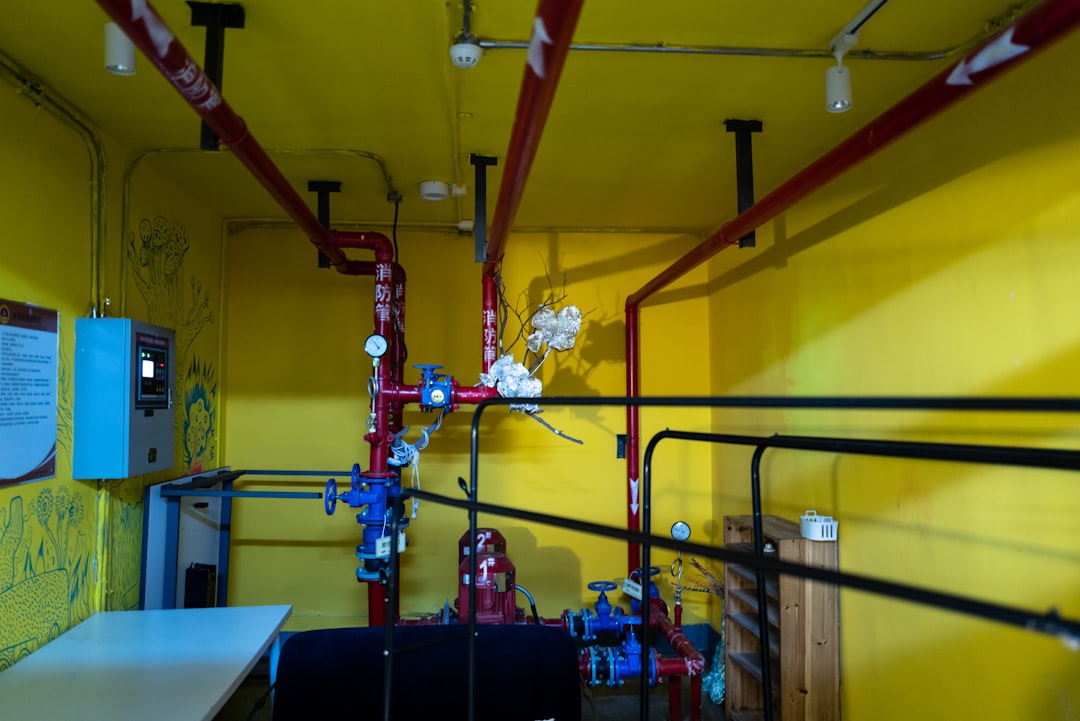
Manual vs. Automatic Manifolds
There are two main types of manifolds:
- Manual Manifolds: Controlled by hand. Good for simple processes, but time-consuming.
- Automatic Manifolds: Run by software or PLCs (Programmable Logic Controllers). These are common for complex or precise film deposition.
Modern CVD systems usually use automatic manifolds. They reduce human error and allow real-time adjustments.
Critical Challenges
Being a gas manifold isn’t easy! Engineers face several challenges:
- Gas compatibility: Some gases react violently with others or corrode metal.
- Leak prevention: Even a tiny leak can cause contamination or safety issues.
- Heat management: Some gases need to stay warm to avoid condensation.
- Purge cycles: Lines must be cleaned between different processes.
These are why design, materials, and maintenance are so important.
Tips for a Great Gas Manifold Design
Want to build a world-class gas manifold? Here are some tips:
- Keep it clean: Use ultra-high-purity components and clean-room assembly methods.
- Shorten paths: Shorter pipes mean faster and more reliable gas delivery.
- Label carefully: Mark every line clearly to avoid mix-ups.
- Purge lines: Include inert gas lines (like nitrogen) to clean out old gases between runs.
Real-World Example
Let’s say we want to deposit a silicon nitride film. We need two gases: silane (SiH₄) and ammonia (NH₃).
Here’s how the gas manifold helps:
- Draws each gas from its cylinder.
- Regulates their pressure with precision.
- Measures exact flow using MFCs.
- Mixes them evenly before they reach the chamber.
- Purges the system with nitrogen after the run is complete.
If any part fails or misfires, the film will be defective. That could mean thousands of dollars lost!
Fun Fact
Some manifolds today are so smart, they “talk” to the computer that controls the whole CVD setup. They can even detect gas leaks and shut themselves off automatically. That’s not just smart — it’s brilliant!
Conclusion: The Unsung Hero
The gas manifold might not get much attention, but it’s absolutely vital in the CVD process. It makes sure the right gases show up at the right place and time, in the right condition. Skilled design and careful maintenance lead to reliable and repeatable thin films.
So next time you see a shiny microchip or a solar panel, remember — a lot of that success started with a gas manifold doing its job quietly and precisely in the background.