


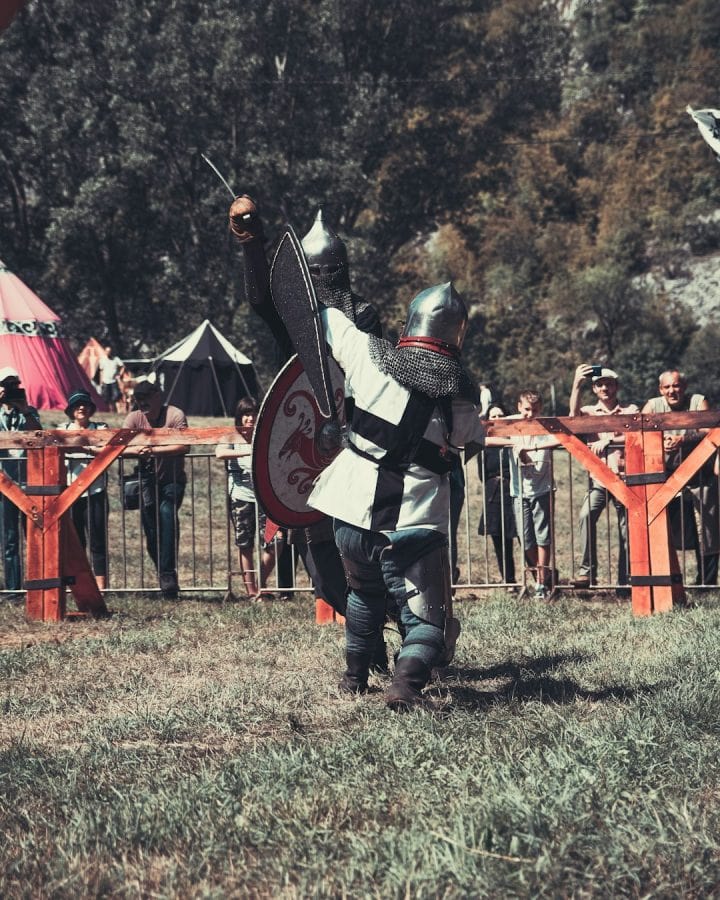
Half-swording looks dramatic. One hand grips the hilt. The other grabs the blade. It feels bold and powerful. But done wrong, it can lead to serious mistakes. In history, those mistakes could be fatal. Even today, in training or competition, bad half-sword technique can cause injuries and frustration.
TLDR: Half-sword fatal errors usually happen because of poor grip, bad positioning, weak distance control, or lack of protective gear. These mistakes can lead to loss of control, hand injuries, or being easily countered. The solution is proper training, smart positioning, and disciplined practice. Understand the basics, respect the blade, and keep your movements tight and controlled.
Let’s break it down in a fun and simple way.
What Is Half-Swording?
Half-swording is a technique used in medieval longsword fighting. You hold the sword with one hand on the grip and the other on the blade. Yes, the blade. It sounds crazy at first. But with armored opponents, regular cuts do not work well. So fighters used the sword like a short spear. They aimed for weak points in armor.

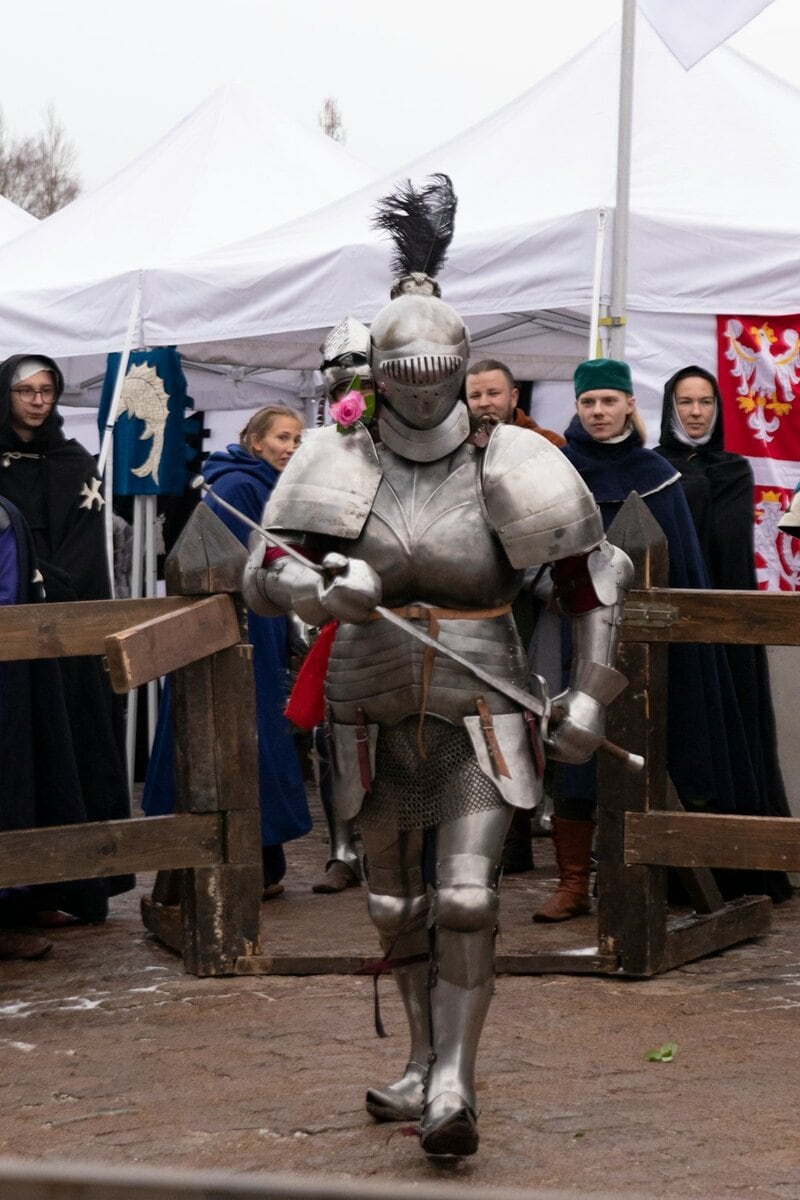
The blade is not always razor sharp near the middle. And even if it is, a firm controlled grip can be safe with proper technique. The key word here is proper.
The Most Common Half Sword Fatal Errors
Let’s talk about where things go wrong.
1. Grabbing the Blade Incorrectly
This is mistake number one.
- Grabbing too close to the tip
- Grabbing on a sharpened edge carelessly
- Using a loose grip
- Placing fingers unevenly
If your grip is weak, the blade can slide. If it slides, your hand gets cut. In real combat, that means you are done. In training, that means stitches.
Solution:
- Grip the flat of the blade, not the edge
- Keep your thumb wrapped and secure
- Wear proper gloves when training
- Practice slow before going fast
Confidence is good. Carelessness is not.
2. Poor Distance Control
Distance is everything in sword fighting. Too far and you cannot reach. Too close and you get countered.
In half-sword, you are shortening your weapon. That changes your range. Many beginners forget this. They step into danger without realizing it.
That is a fatal error.
If your opponent has full extension and you are too slow, you will eat a strike before you can thrust.
Solution:
- Drill distance awareness daily
- Spar lightly to understand range
- Learn to measure with small steps
- Keep your body behind your guard
Think of it like parking a car. A few inches matter.
3. Locked Elbows and Stiff Movement
Half-sword requires flexibility. Some fighters lock their arms. They freeze under pressure.
Stiff arms mean slow reactions.
When you are stiff:
- Your thrusts become predictable
- You cannot adjust direction
- Your opponent can easily redirect your blade
Solution:
- Keep elbows slightly bent
- Relax your shoulders
- Breathe steadily
- Train flow drills, not just static thrusts
Relaxed does not mean lazy. It means ready.
Image not found in postmeta4. Ignoring the Opponent’s Free Hand
This one surprises many people.
In close combat, hands matter. A lot.
When you go into half-sword range, you are close enough to grapple. If you focus only on your blade, your opponent can:
- Grab your wrist
- Push your elbow
- Strike your face
- Throw you off balance
That turns your strong attack into a disaster.
Solution:
- Keep your head protected
- Control their arms when possible
- Train grappling alongside sword work
- Never stare only at the blade
Half-sword is not just about steel. It is about body control.
5. Bad Edge Alignment
Even though half-sword focuses on thrusting, cutting still matters. If your edge alignment is wrong, your blade can twist in your hand.
This creates two problems:
- Loss of power
- Loss of control
If the sword rotates unexpectedly, your hand grip becomes unstable. That is when slips and cuts happen.
Solution:
- Practice slow motion cutting drills
- Check your wrist alignment
- Use mirrors or video for feedback
Small adjustments prevent big injuries.
6. Overcommitting the Thrust
Thrusting hard feels powerful. But if you miss, you are exposed.
Overcommitment means:
- Your weight is too far forward
- Your feet are close together
- Your recovery takes too long
Your opponent can step aside. Then counter. Quickly.
Solution:
- Keep your stance balanced
- Do not lean too far
- Always plan your exit
A smart fighter attacks with control. Not with desperation.
Hidden Causes Behind Fatal Errors
Sometimes the mistake is not technical. It is mental.
Ego
Ego makes you rush. Ego makes you ignore advice. Ego makes you think you are ready when you are not.
That mindset leads to injury.
Fix: Stay humble. Always be a student.
Lack of Protective Gear
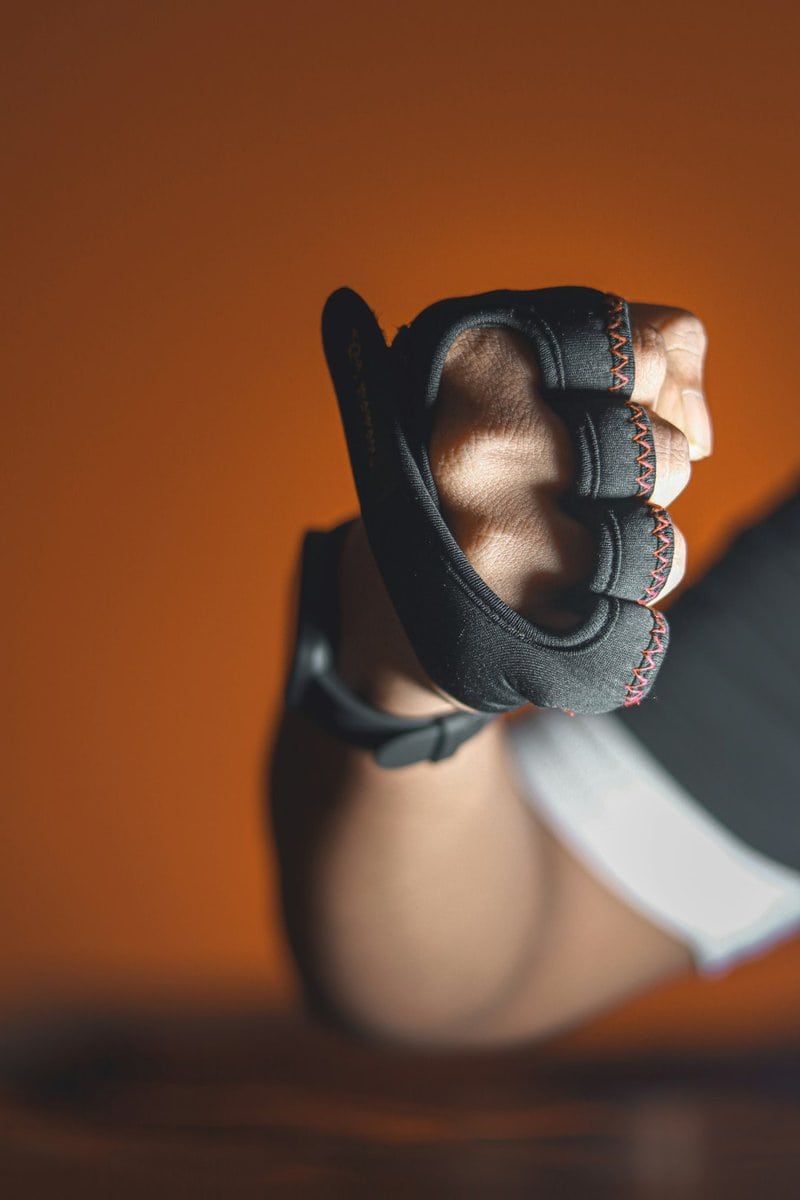
Training without proper gloves or masks is risky. Half-sword brings hands close to sharp edges.
Protect your:
- Fingers
- Knuckles
- Eyes
- Forearms
Modern gear exists for a reason. Use it.
Skipping Fundamentals
Some people jump straight into advanced techniques.
They skip:
- Basic guards
- Footwork drills
- Core strength training
- Controlled sparring
Half-sword builds on fundamentals. Without them, everything collapses.
Step-by-Step Path to Safer Half-Swording
Here is a simple roadmap.
- Master the basic grip. Practice with a dull trainer first.
- Drill distance. Use tape marks on the floor if needed.
- Add slow partner work. Focus on precision, not speed.
- Introduce light resistance. Let your partner counter gently.
- Gradually increase intensity. Only when control is solid.
Progression beats rushing.
Safety Tips That Save Fingers
Your hands are your tools. Protect them.
- Keep nails trimmed
- Use well-fitted gloves
- Inspect your blade for burrs
- Clean and maintain your sword
- Never train tired
Fatigue causes sloppy grips. Sloppy grips cause cuts.
How Instructors Can Prevent Fatal Errors
If you teach, you carry responsibility.
Good instructors:
- Demonstrate slowly
- Explain why each movement matters
- Correct hand placement early
- Encourage questions
- Stop unsafe behavior immediately
Create a culture of safety. Make it normal. Make it expected.
The Mindset Shift
Half-sword is not about strength. It is about precision.
It is not about speed. It is about timing.
It is not about aggression. It is about control.
When fighters treat it like brute force combat, they fail. When they treat it like fine tool work, they improve.
Final Thoughts
Half-swording is powerful. It turns a longsword into a close-range precision weapon. But that power comes with responsibility.
The most common fatal errors come from:
- Bad grip
- Poor distance
- Stiff posture
- Ignoring grappling range
- Overcommitting attacks
The solutions are simple. Train slowly. Focus on fundamentals. Wear protection. Respect the blade.
Every great fighter was once a beginner gripping the blade for the first time. The difference between safe mastery and painful mistakes is attention to detail.
Control your sword. Control your body. Control your ego.
Do that, and half-sword becomes not a fatal risk, but a precise and beautiful skill.