



ASOS has become one of the most recognizable online fashion retailers in the world, known for its vast catalog, trend-driven collections, and global reach. But as consumers grow increasingly concerned about sustainability and ethical production, a pressing question arises: Is ASOS ethical, or is it simply another fast fashion giant with a green marketing strategy? The answer lies somewhere between corporate sustainability pledges and the hard realities of the modern fashion supply chain.
TLDR: ASOS presents itself as a sustainability-focused retailer with initiatives such as its Responsible Edit and carbon reduction targets. However, its fast-paced production model and large-scale manufacturing align closely with fast fashion practices. While the company has made measurable progress in transparency and materials sourcing, it still faces significant challenges around labor conditions and overproduction. Ultimately, ASOS reflects the broader tension between growth-driven fashion retail and genuine sustainability.
Understanding Fast Fashion
To evaluate ASOS fairly, it is important to understand what defines fast fashion. Fast fashion typically includes:
- Rapid production cycles that bring runway trends to consumers quickly
- Low-cost garments designed for short-term use
- Large volumes of new styles released frequently
- Globalized supply chains focused on cost efficiency
ASOS often adds thousands of new products to its website weekly. This rapid turnover aligns with classic fast fashion characteristics. The platform’s appeal rests on accessibility, affordability, and trend responsiveness—core traits of the fast fashion model.


However, being categorized as fast fashion does not automatically mean a company makes no effort toward sustainability. Many large brands now attempt to balance growth with responsibility, and ASOS is no exception.
ASOS’s Sustainability Claims
ASOS has launched various initiatives intended to improve its environmental and social impact. These include:
- The Responsible Edit: A product category highlighting items made with more sustainable materials.
- Science-based carbon targets: Commitments to reducing greenhouse gas emissions across operations and supply chains.
- Recycled and certified materials: Use of organic cotton, recycled polyester, and responsibly sourced viscose.
- Transparency efforts: Public supplier lists and participation in ethical trade initiatives.
Through its Responsible Edit, ASOS states that products must meet specific criteria related to materials or production standards. For example, garments may contain a minimum percentage of certified sustainable fibers. This provides shoppers with clearer guidance compared to traditional retail labeling.
Furthermore, the company has pledged to reach net-zero emissions by a target year aligned with international climate science recommendations. It has also committed to eliminating unnecessary plastic in packaging and increasing circular fashion initiatives, such as resale and repair pilots.
The Industry Reality: Volume vs. Values
Despite these efforts, critics argue that ASOS’s fundamental business model remains volume-driven. The fast fashion system inherently encourages overconsumption. Even if a garment is made from recycled polyester, its environmental footprint includes:
- Energy-intensive manufacturing processes
- Global transportation emissions
- Packaging waste
- Eventual disposal in landfill
The scale of ASOS operations means that even small environmental impacts per item multiply dramatically across millions of units sold.
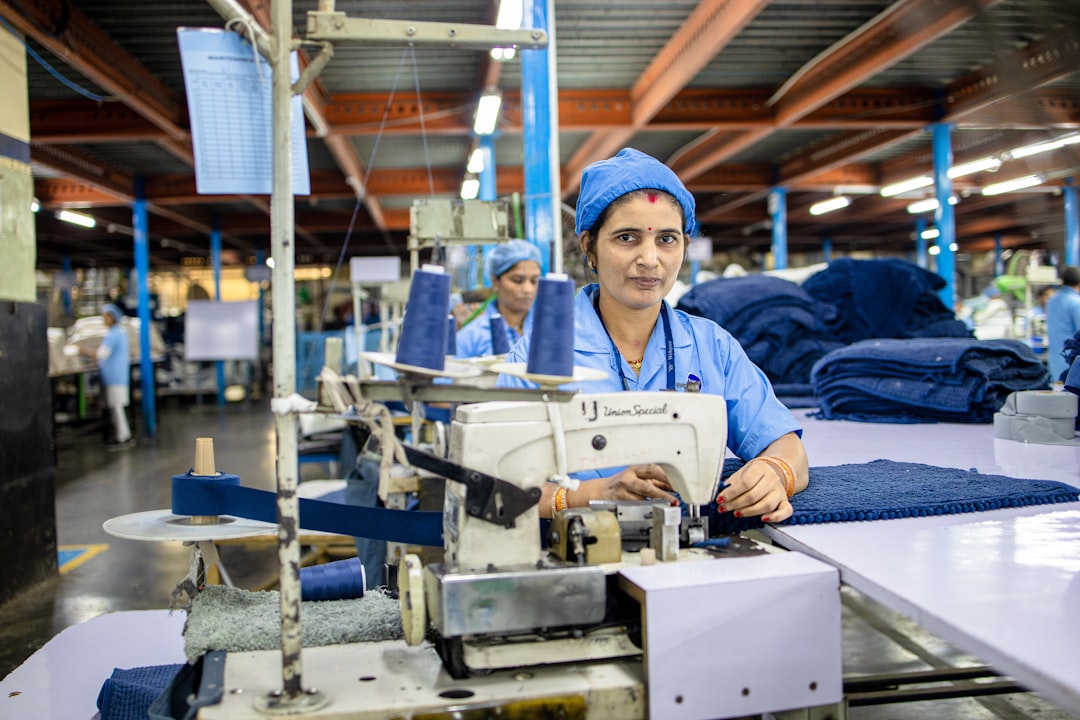
Another area of ongoing scrutiny is labor conditions. Like most major fashion retailers, ASOS does not own the majority of its factories. Instead, it works with third-party suppliers located in regions where labor costs are lower. While the company publishes supplier standards and conducts audits, monitoring global supply chains remains complex. Reports across the industry have shown that audits alone do not always prevent wage violations or unsafe working conditions.
Materials: Progress, but Not a Complete Solution
A key defense of ASOS’s ethical positioning lies in its material choices. The increased use of:
- Organic cotton (which reduces pesticide use)
- Recycled polyester (which repurposes plastic waste)
- Certified sustainable viscose (to reduce deforestation)
does represent meaningful progress compared to conventional alternatives.
However, sustainability experts caution that material substitution alone does not resolve systemic overproduction. A recycled synthetic garment still sheds microplastics. Organic cotton still requires water and land. Sustainability depends not only on how clothes are made but also on how often they are purchased and discarded.
Transparency and Accountability
One area where ASOS performs comparatively well is transparency. The company publishes detailed sustainability reports and outlines measurable goals. These reports typically include:
- Carbon emissions data
- Supply chain mapping information
- Diversity and inclusion metrics
- Progress toward environmental targets
Transparency is a crucial step because it allows watchdog organizations and consumers to evaluate claims. However, disclosure alone does not guarantee systemic change. The effectiveness of ethical positioning ultimately depends on whether targets are met consistently over time.
Consumer Responsibility and Marketing Influence
ASOS has considerable influence over young consumers. Its marketing heavily promotes trend cycles, influencer collaborations, and seasonal refreshes. This messaging can indirectly promote overconsumption.


At the same time, the platform has experimented with more conscious messaging, including styling advice to re-wear pieces and filters that highlight sustainable products. The tension between encouraging frequent purchasing and promoting mindful consumption illustrates the broader contradiction within modern fashion retail.
How ASOS Compares to Traditional Fast Fashion
Compared to some ultra-fast fashion retailers, ASOS demonstrates stronger public sustainability commitments and higher levels of transparency. However, when compared to genuinely slow or ethical fashion brands that produce limited collections in controlled volumes, ASOS operates at an entirely different scale.
Key differences include:
- Production speed: ASOS releases new styles frequently.
- Price point: Affordable pricing aligns with high-volume sales strategies.
- Business model: Growth and rapid turnover remain central objectives.
In essence, ASOS may sit in a middle category: a fast fashion retailer attempting incremental sustainability improvements rather than a fundamentally ethical brand built around slow fashion principles.
The Bigger Picture: Can Fast Fashion Ever Be Ethical?
The debate surrounding ASOS reflects a deeper industry question: Can a company dependent on high-volume clothing sales ever be truly sustainable?
Sustainability requires reducing resource use, minimizing waste, and ensuring fair compensation for workers. Fast fashion depends on affordability, trend velocity, and large-scale production. These goals often conflict.
For ASOS to move closer to genuine ethical positioning, it would likely need to:
- Slow product turnover
- Increase garment durability standards
- Expand resale and circular services
- Strengthen wage assurance programs
Such shifts may challenge profitability under traditional retail models. As long as growth remains central, sustainability may function more as mitigation than transformation.
Conclusion
ASOS is neither wholly ethical nor uniquely irresponsible. It represents the evolution of fast fashion under public pressure. The company has introduced measurable sustainability initiatives, improved transparency, and invested in more responsible materials. Yet its core identity remains tied to rapid production cycles and high-volume consumption.
For conscious consumers, ASOS may present a “lesser impact” option compared to competitors lacking transparency. However, it does not yet embody the principles of slow, small-scale, or regenerative fashion. Ultimately, the ethical evaluation depends on whether one defines sustainability as incremental improvement within fast fashion—or a complete rejection of its model.
FAQ
Is ASOS considered fast fashion?
Yes, ASOS is generally categorized as a fast fashion retailer due to its rapid product turnover, trend-driven releases, and accessible pricing structure.
What is the ASOS Responsible Edit?
The Responsible Edit is a curated section of ASOS products that meet specific sustainability criteria, such as containing certified organic, recycled, or responsibly sourced materials.
Does ASOS use sustainable materials?
ASOS has increased its use of organic cotton, recycled polyester, and sustainable viscose. While this reduces certain environmental impacts, material changes alone do not eliminate fast fashion’s overall footprint.
Are ASOS factories ethical?
ASOS works with third-party suppliers and conducts audits to enforce labor standards. While it publishes supplier lists and ethical policies, challenges common to global supply chains remain.
Is ASOS better than other fast fashion brands?
In terms of transparency and sustainability reporting, ASOS performs better than some competitors. However, its high-volume business model still aligns with fast fashion practices.
How can consumers shop more ethically on ASOS?
Consumers can prioritize items from the Responsible Edit, choose higher-quality staple pieces, reduce impulse purchases, and extend garment life through care and resale practices.