


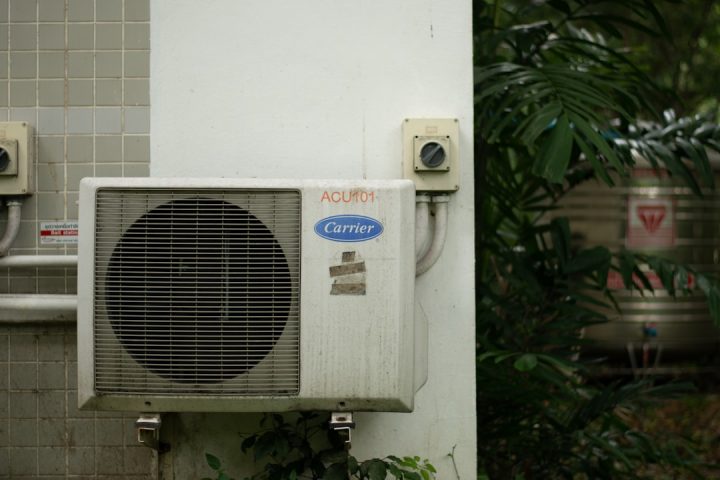
As global temperatures continue to rise and energy consumption soars, the need for more efficient cooling technologies has become more urgent than ever. Air conditioning, once a luxury, is now a necessity in many parts of the world, especially in urban environments. However, traditional systems are often energy-intensive and contribute to climate change. Fortunately, advances in air conditioning technology are shaping a more sustainable future.
TL;DR
New breakthroughs in air conditioning technology are making systems more energy-efficient than ever before. From solid-state cooling to AI-driven climate control, these innovations promise to cut electricity usage while improving indoor comfort. Energy-saving refrigerants and eco-friendly materials also offer a greener approach to staying cool. The future of air conditioning is not only about better cooling but also about smarter, more sustainable solutions.
The Energy Burden of Traditional Air Conditioning
Air conditioning accounts for nearly 10% of global electricity consumption, according to the International Energy Agency. In hotter regions like Southeast Asia, the figure can be even higher. Many older AC models use outdated components and refrigerants that are not only inefficient but also harmful to the environment. This has led researchers and manufacturers to rethink how we cool our spaces.
Breakthrough #1: Solid-State Cooling Systems
One of the most promising advances in air conditioning is solid-state cooling, which eliminates the need for traditional compressors and refrigerants. Using materials like thermoelectric elements and electrocaloric materials, solid-state systems can create a temperature gradient when an electric voltage is applied.
- Eco-Friendly: No harmful refrigerants like chlorofluorocarbons (CFCs) or hydrofluorocarbons (HFCs).
- Silent Operation: No moving parts means less noise and lower maintenance.
- Compact Designs: Ideal for integration into consumer electronics and small-scale cooling solutions.
Startups and research institutions are already producing prototypes of solid-state AC units capable of reducing energy consumption by up to 50% compared to conventional systems.

Breakthrough #2: AI and Smart Climate Control
Another area where air conditioning is evolving rapidly is through the integration of artificial intelligence (AI). Smart thermostats and climate systems can learn user behavior and adjust cooling settings accordingly, ensuring maximum comfort with minimal energy waste.
AI-powered systems can:
- Predict Usage Patterns: Automatically adjust settings based on time of day, occupancy, and outdoor temperature.
- Remote Monitoring: Controlled via mobile apps or integrated with smart home ecosystems.
- Dynamic Energy Management: Sync with renewable energy sources and schedule power usage during off-peak hours.
This technology can result in up to 30% energy savings while maintaining or even improving overall comfort. Brands like Nest (by Google) and Ecobee are leading the charge in residential smart climate control, while commercial buildings are increasingly adopting integrated AI-building management systems.
Breakthrough #3: Next-Generation Refrigerants
The efficiency of an air conditioner heavily depends on the refrigerant it uses. The industry is moving away from traditional harmful substances such as R-22 and R-410A. Instead, newer refrigerants like R-32 and R-1234yf offer increased thermal performance and a dramatically lower global warming potential (GWP).
Advantages of next-gen refrigerants include:
- Enhanced heat exchange capabilities
- Lower toxicity and flammability
- Long-term compliance with international environmental protocols
With regulatory pressure mounting, especially from agreements like the Kigali Amendment to the Montreal Protocol, more manufacturers are adopting these sustainable alternatives ahead of the timeline.
Breakthrough #4: Photonic and Radiative Cooling Panels
Harnessing the natural properties of light and heat, photonic and radiative cooling technologies are offering a passive alternative to active air conditioning. These systems employ materials that reflect sunlight and emit thermal radiation into the cold depths of space, effectively achieving cooling without electricity.
Recent laboratory studies have demonstrated the ability of radiative panels to reduce indoor temperatures by several degrees, even under direct sun exposure. Techniques like multilayer optical coatings and nanostructuring improve their efficiency and paves the way for building-integrated cooling surfaces.


Breakthrough #5: Magnetic and Barocaloric Refrigeration
This cutting-edge innovation is still in early stages but offers transformative potential. Magnetic refrigeration uses the magnetocaloric effect—a temperature change in certain materials when exposed to a magnetic field—while barocaloric systems leverage pressure changes on solid-state materials to produce cooling.
Benefits include:
- Non-toxic materials and the absence of gases
- Reduced energy requirements since phase transitions occur without over-reliance on electricity
- High thermal efficiency and longer system lifespan
While we may be a few years away from commercial units based on these technologies, they represent the direction the industry is heading—toward safer, quieter, and more efficient cooling methods.
Retrofit Solutions for Existing Systems
Not all advances require purchasing a brand-new AC unit. Innovations in the form of retrofit kits allow homeowners and businesses to upgrade existing systems. These kits might include:
- Inverter compressors to regulate the speed and reduce electricity use
- Smart thermostats compatible with older HVAC systems
- Improved duct insulation to prevent energy loss during transmission
This makes high-efficiency air conditioning accessible to those unable or unwilling to invest in entirely new infrastructure.
The Impact on Energy Grids and Carbon Emissions
Widespread adoption of these advanced air conditioning technologies can significantly ease the burden on national power grids, particularly during peak summer months. A more stable electricity demand curve would:
- Reduce the need for emergency power generation (often dirty and carbon-intensive)
- Improve grid reliability and reduce the risk of blackouts
- Facilitate higher integration of renewable energy sources
According to recent modeling studies, upgrading all current systems worldwide to high-efficiency models could reduce global carbon emissions by up to 1.2 billion tons annually by 2050.
The Road Ahead and What Consumers Can Expect
As prices drop and governments begin offering incentives and subsidies for energy-efficient appliances, eco-friendly air conditioning is poised to become mainstream. Here’s what consumers can look forward to:
- Lower electricity bills through higher-efficiency systems
- Smarter home integration with voice-command and IoT capabilities
- Environmentally responsible cooling aligned with global climate goals
Many countries are also updating their building codes to mandate energy-efficient HVAC installations, which will further accelerate adoption.
Conclusion
The air conditioning of tomorrow is already taking shape today. Driven by innovation in materials science, artificial intelligence, and sustainability, these breakthroughs are transforming how we stay cool while staying conscious of our planet’s future. As these technologies continue to mature, they will play a crucial role in achieving global climate targets and improving quality of life—both indoors and out.