


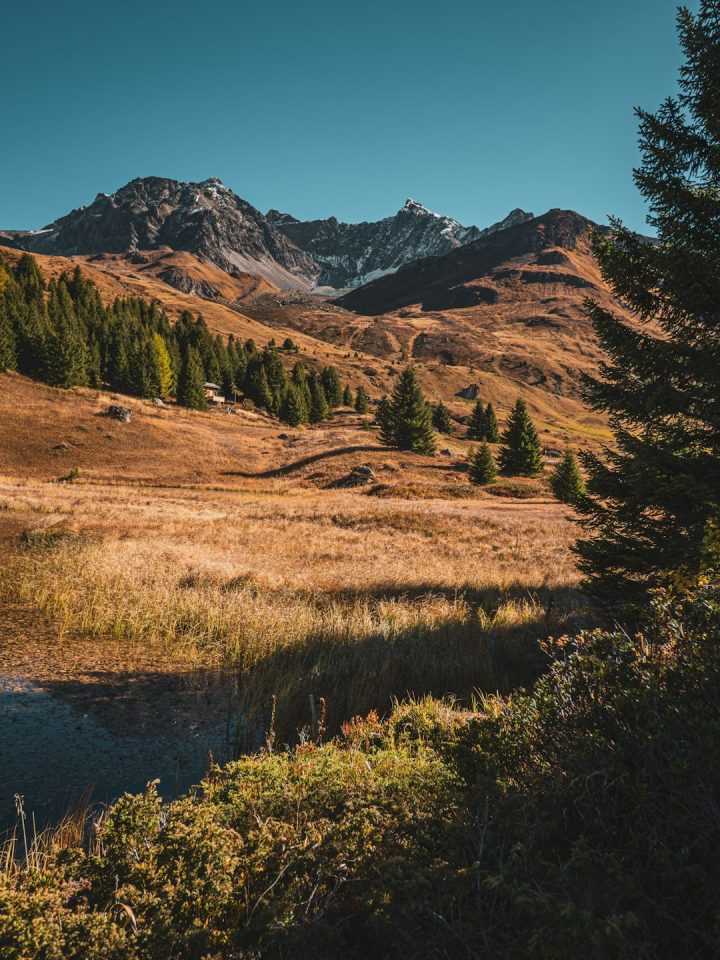
Hidden deep within an uncharted part of Western Europe lies one of the continent’s best-kept secrets: Nionenad. This untouched escape is a dream come true for adventurers, hikers, and anyone seeking to reconnect with nature far away from bustling tourist trails. Whether you’re a seasoned mountaineer chasing your next thrill or a curious traveler longing for pristine forests and crystal-clear lakes, Nionenad offers something unparalleled. In this guide, we will explore everything you need to know to experience this natural paradise to its fullest.
TL;DR
Nionenad is a hidden nature destination in Western Europe perfect for adventure seekers and eco-conscious travelers. It offers stunning mountainous landscapes, untouched forests, rich biodiversity, and exciting outdoor adventures like hiking, rafting, and wildlife spotting. With virtually no tourist crowds, it’s a serene and authentic retreat for true explorers. This guide provides essential tips and highlights to help you discover Nionenad’s rare beauty.
Where Is Nionenad?
Nionenad is nestled within a forgotten valley on the fringes of the Pyrenees mountain range, unofficially falling within a border region between France and Spain. Though not found on most modern maps, the name “Nionenad” is whispered among serious hikers and European eco-travel communities. Its inaccessibility and lack of commercial development have helped preserve the rare flora and fauna found here.
Why Nature Lovers Are Flocking (Quietly) to Nionenad
The appeal of Nionenad lies in its unspoiled wilderness. Unlike mainstream national parks where mass tourism has taken a toll on the environment, Nionenad remains largely untouched. Here, ancient trees thrive uncut, streams run clean through meadows, and endangered species find sanctuary in silence.
Highlighted features of Nionenad’s natural ecosystem include:
- Glacial lakes with astonishing turquoise water
- Dense beech and pine forests supporting diverse wildlife
- Alpine meadows in full bloom from late spring to midsummer
- Unmarked hiking trails for those willing to explore off-grid

Adventure Activities in Nionenad
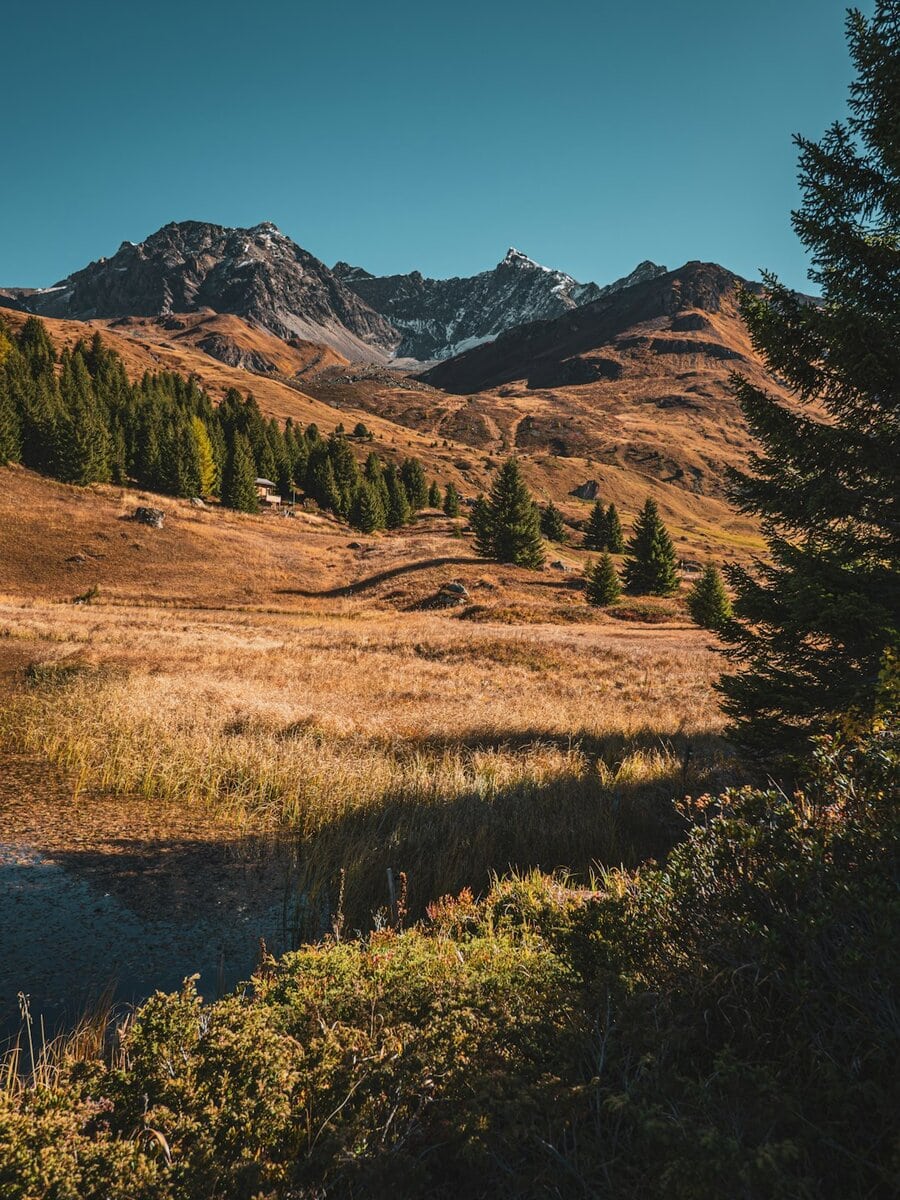
If you crave adrenaline, Nionenad delivers in surprising ways. Given its steep gradients, cascading rivers, and unexplored caves, outdoor adventurers will find a wide variety of activities that offer both challenge and tranquility.
The top adventure experiences include:
- Backcountry Hiking: Most trails are unmarked and require GPS and compass skills. Trails range from moderate 2-hour loops to intense multi-day treks with altitude changes of over 2000 meters.
- Canoeing and Rafting: The River Ilsan offers selected sections ideal for white-water rafting after the spring melt, while summer months are best for canoeing in calm waters surrounded by forested cliffs.
- Rock Climbing: The cliffs around Mount Velsta are popular among veteran climbers due to their overhanging routes and vertical faces.
- Wildlife Spotting: Wolves, ibexes, and even the elusive Eurasian lynx call Nionenad home. Dawn and dusk hikes provide the best opportunities for sightings.
Note: As most of these activities take place in unmanaged wilderness, proper gear, local guidance, and emergency knowledge are essential.
Best Time to Visit
Nionenad’s climate resembles that of high-altitude European locales, with distinct seasonal changes. Knowing when to go can dramatically affect your experience.
- Spring (April – June): Ideal for wildflower viewing, animal sightings, and moderate weather. Rivers run high, making it perfect for water-based sports.
- Summer (July – August): Offers the best chance for long treks and elevated climbs. Skies are mostly clear, but occasional storms can roll in fast.
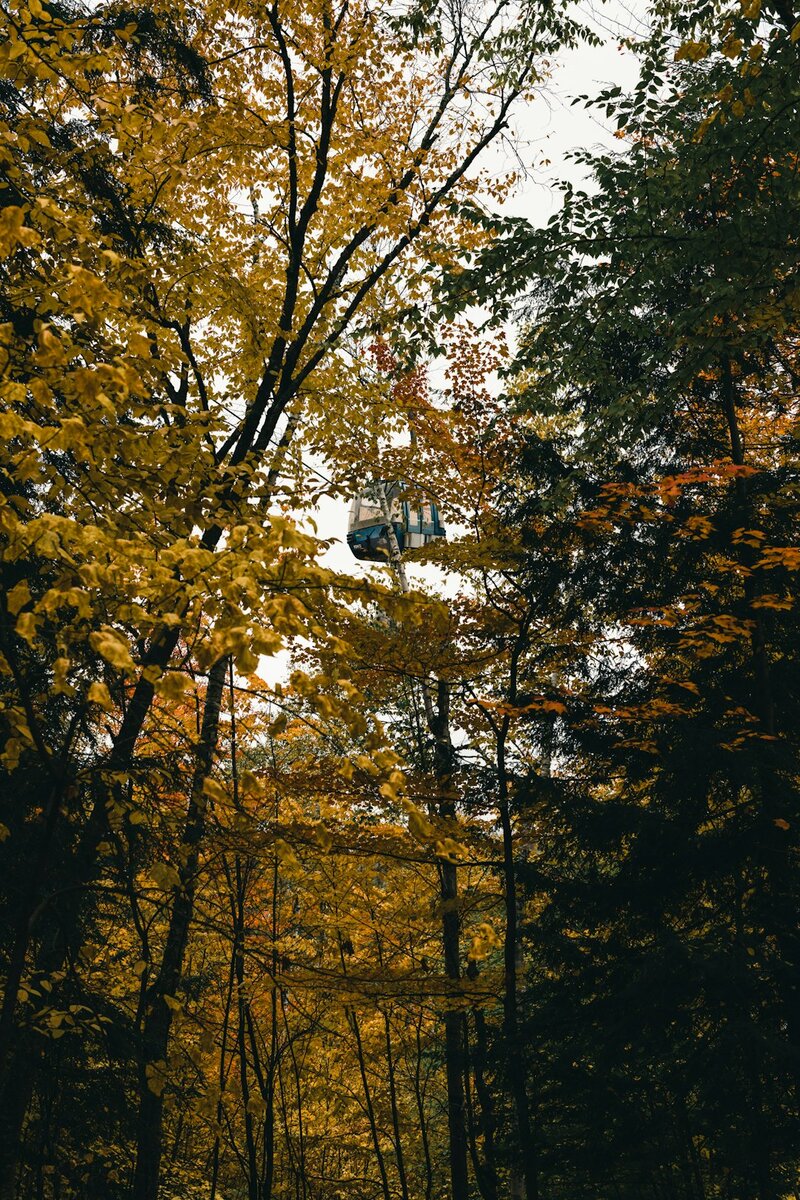
- Autumn (September – November): A quieter yet colorful time. Fall foliage is dazzling, and cooler temperatures reduce insect populations.
- Winter (December – March): For the boldest adventurers only. Snowshoeing and winter camping are possible, but services and access are extremely limited.

How to Get There
Reaching Nionenad is part of the adventure. Because there is no formal infrastructure or tagged road maps, planning your visit involves careful coordination.
Routes In:
- From France: Drive towards Pau, then to the Col d’Aspet. Local guides in nearby rural communes can provide directions or GPS coordinates.
- From Spain: Start from Huesca and utilize local trekking routes starting from Aragon. Be sure to inform local authorities of your departure due to the remoteness.
Car rental, mountain-ready gear, and emergency communication tools (like satellite phones) are advised. Public transport into the region is practically nonexistent.
Where to Stay
Nionenad doesn’t have hotels or resorts, but its raw charm lies in rustic and eco-friendly accommodations. Options vary from forest lodges to self-sustained cabins and seasonal campgrounds.
Recommended stays include:
- Velsta Ridge Shelter: A mountaintop cabin offering 360-degree views and basic shared amenities. Ideal for trekkers crossing the central valley loops.
- Greenstone Eco-Lodge: Located at the foot of the Riol Forest Trail, it runs on solar power and collects rainwater. Best suited for ecotourists.
- Tent Camping Zones: Designated areas near rivers and glades ensure low impact. Only biodegradable materials are permitted.
Tips for Planning Your Trip
Because of Nionenad’s isolated nature, proper preparation is key to having a successful and enjoyable trip.
- Always let someone know your travel plans and estimated return.
- Give yourself extra time for travel delays or route changes.
- Bring a printed topographical map—there may be no signal for digital mapping.
- Pack layers for sudden weather changes, even in summer.
- Be respectful of the environment: practice Leave No Trace principles rigorously.
Local Culture and Stewardship
The few locals who live near or in the outskirts of Nionenad are primarily shepherd families and protectors of the land. Many have strong cultural ties to the region and are fierce conservationists. Engaging with them respectfully can lead to unique interactions, storytelling, and even guided hikes that are not documented anywhere.
Visitors are urged to treat Nionenad as sacred ground: take nothing, leave nothing, and act as stewards for the land. Photography is welcome, but feeding wildlife or straying off trail markers (when they exist) is strongly discouraged.
The Future of Nionenad
Efforts are underway to register Nionenad as a protected natural heritage zone, but its unknown status is currently what shields it from mass influxes of tourists. Organizations working with European conservation units advise keeping knowledge of the area within ethical adventuring communities.
By visiting responsibly, eco-conscious travelers can help prove that low-impact exploration brings value to protecting fragile ecosystems without sacrificing their integrity.
Final Thoughts
If you’re in search of that last untouched corner of Europe—somewhere away from queues, noise, and overused photo spots—Nionenad awaits. Its landscapes are as wild as they are beautiful, and its mystery only adds to the allure. But with that beauty comes responsibility: this hidden gem remains hidden for a reason, and it’s up to those who find it to protect it for generations to come.