


Modern applications demand databases that can scale rapidly, remain highly available across regions, and minimize operational overhead. Traditional database management—provisioning servers, configuring replication, handling failovers, and planning capacity—often distracts engineering teams from delivering product value. Serverless database platforms like PlanetScale have emerged to address these challenges by combining cloud-native architecture, automated scaling, and operational simplicity into a managed database experience designed for high-growth environments.
TLDR: Serverless database platforms like PlanetScale provide scalable, fully managed databases that eliminate infrastructure management and simplify development workflows. By leveraging horizontal scaling, automatic failover, branching capabilities, and global distribution, these platforms enable teams to build resilient applications with minimal operational burden. They are particularly well-suited for startups, SaaS companies, and enterprises seeking reliability without database administration complexity. While not a universal solution for every workload, they represent a significant shift in how modern data infrastructure is delivered and consumed.
Understanding Serverless Databases
The term serverless can be misleading. Servers still exist, but the key distinction lies in abstraction. With serverless database platforms, developers do not provision or manage servers directly. Instead, the platform allocates and scales compute and storage resources dynamically based on workload demands.
Unlike traditional database deployments, which often require capacity planning and manual scaling, serverless databases provide:
- Automatic scaling of compute and storage
- Managed infrastructure including backups and replication
- High availability built into the architecture
- Usage-based pricing that aligns cost with actual consumption
This approach dramatically reduces operational responsibilities and allows development teams to focus on building features rather than maintaining infrastructure.
The Architecture Behind Platforms Like PlanetScale

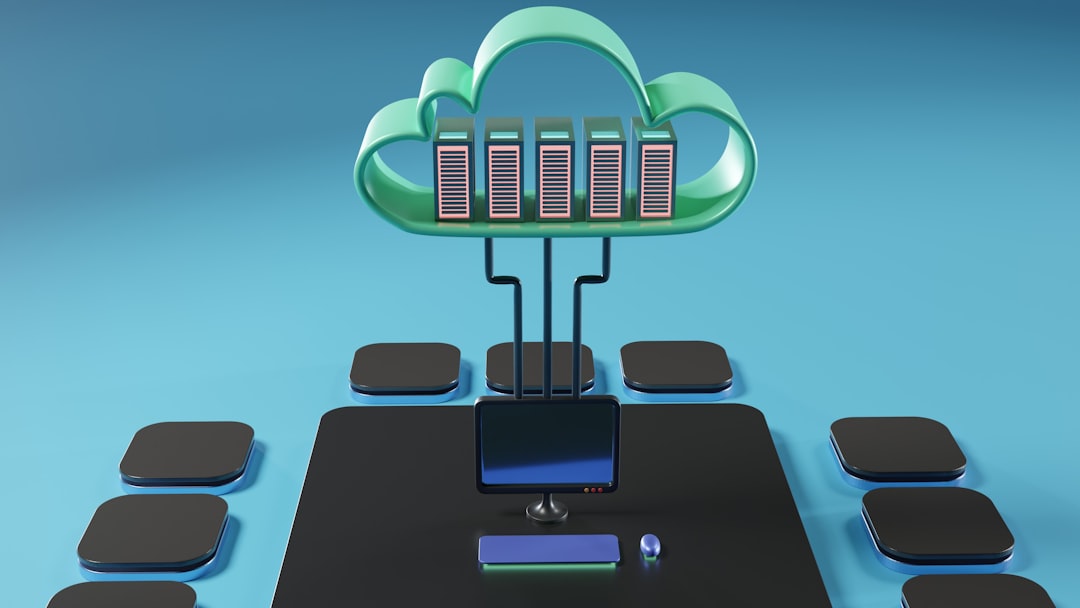
Serverless database platforms typically rely on distributed database technologies designed for horizontal scalability. For example, PlanetScale builds on technologies derived from Vitess, a system originally developed to scale large MySQL deployments.
Key architectural features often include:
- Horizontal sharding, which distributes data across multiple nodes to support high throughput
- Stateless query routing, allowing queries to be balanced across replicas
- Multi-region replication, ensuring geographic redundancy and low latency
- Separation of storage and compute, enabling independent scaling
This architecture ensures that as application traffic grows, the database layer can expand seamlessly without requiring disruptive migrations.
Zero-Downtime Schema Changes
One of the most persistent challenges in database operations is managing schema changes. Modifying tables in production environments can result in locks, degraded performance, or downtime if handled improperly.
Platforms like PlanetScale emphasize non-blocking schema migrations by using branching and workflow models similar to version control systems. Developers can:
- Create database branches for testing schema changes
- Deploy changes in isolation
- Review and validate modifications before merging
- Apply schema updates without locking production tables
This model reduces risk, encourages experimentation, and aligns database operations with modern DevOps practices.
Built-In Scalability for High-Growth Applications
Applications experiencing rapid growth often face unpredictable traffic spikes. Traditional infrastructure requires pre-provisioning resources to handle peak loads, leading to inefficiencies or outages if projections are incorrect.
Serverless database platforms address this through:
- Elastic scaling that reacts dynamically to workload changes
- Automatic load balancing between read replicas
- Seamless scaling without manual reconfiguration
This infrastructure elasticity is particularly valuable for:
- SaaS products with fluctuating user activity
- E-commerce platforms during seasonal peaks
- APIs subject to viral traffic surges
- Startups planning for rapid expansion
By removing scaling bottlenecks, engineering teams gain confidence that their data layer can support growth without architectural redesign.
High Availability and Reliability
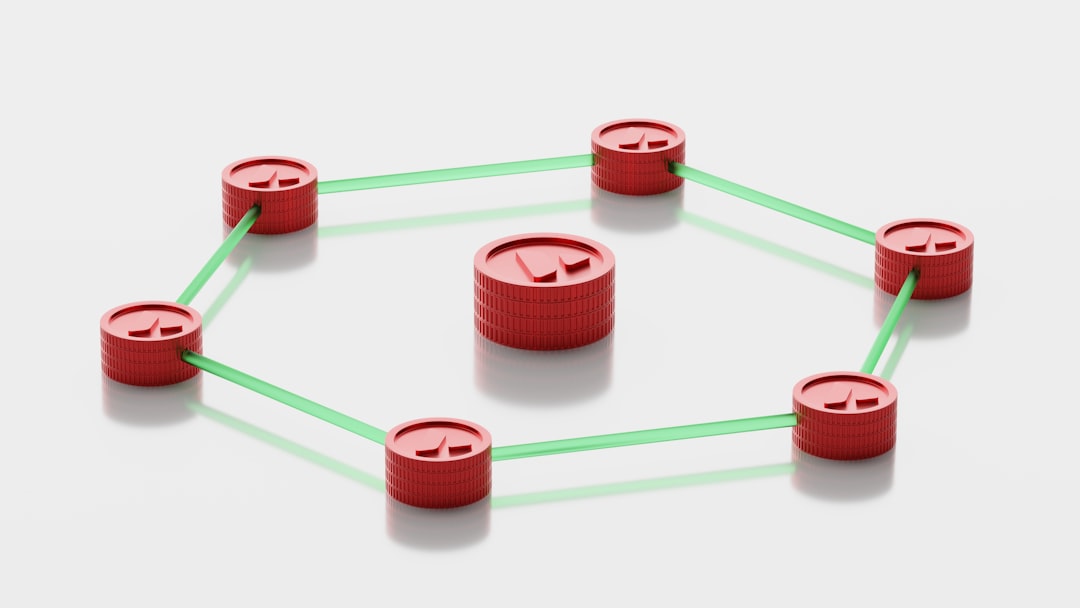
High availability is a foundational requirement for mission-critical systems. Serverless database platforms are typically designed with redundancy across multiple availability zones or geographic regions.
Core reliability features often include:
- Automated failover mechanisms
- Continuous backups and point-in-time recovery
- Cross-region replication
- Isolated failure domains to prevent cascading outages
These capabilities reduce the likelihood of catastrophic data loss or extended downtime. Importantly, they are embedded in the managed service and do not require manual configuration.
Security and Compliance Considerations
Managed serverless database providers prioritize security through layered controls and infrastructure isolation. Common features include:
- Encrypted data at rest and in transit
- Role-based access control
- Network isolation and IP allowlisting
- Audit logging for compliance verification
For organizations operating in regulated industries, such as finance or healthcare, compliance certifications and audit trails are critical. Enterprise-grade serverless platforms typically invest heavily in achieving and maintaining these standards.
Operational Efficiency and Cost Predictability
The primary economic value of serverless database platforms lies in operational efficiency. Instead of dedicating database administrators to routine maintenance tasks, organizations can rely on the managed service provider.
This reduces costs associated with:
- Infrastructure provisioning and hardware maintenance
- Ongoing database tuning and optimization
- Backup verification and disaster recovery planning
- Monitoring and incident response
However, cost management requires careful attention. Usage-based pricing models can become expensive at scale if workloads are not optimized. Organizations must monitor query efficiency, data growth, and replication footprints to maintain predictable expenses.
Developer Experience and Workflow Integration
Modern engineering teams expect tools that integrate seamlessly into CI/CD pipelines. Serverless database platforms increasingly provide APIs, CLI tools, and integrations that support automated testing and deployment.
Features enhancing developer productivity include:
- Isolated development environments through branching
- Automated preview databases for pull requests
- Simple rollback mechanisms
- Observable metrics and monitoring dashboards
These capabilities align database management with contemporary software development practices, reducing friction between application code and data changes.
Limitations and Considerations
While serverless database platforms offer significant advantages, they are not universally optimal. Organizations should consider:
- Workload compatibility: Extremely latency-sensitive or highly specialized workloads may require fine-grained configuration unavailable in managed environments.
- Vendor dependency: Moving to a managed platform may introduce operational lock-in.
- Cost scaling: At very large volumes, fully managed services may become more expensive than self-hosted alternatives.
- Customization constraints: Advanced tuning options may be restricted.
Careful evaluation of performance requirements, compliance obligations, and long-term cost projections is essential before committing to any managed solution.
Use Cases Across Industries

Serverless database platforms have proven particularly effective in several contexts:
- Technology startups that need to iterate quickly without hiring DBA specialists
- Global SaaS providers requiring multi-region performance
- Digital platforms experiencing unpredictable traffic growth
- Enterprises modernizing legacy systems to improve agility
In each of these scenarios, the ability to combine reliability, scalability, and developer-centric workflows delivers measurable operational and strategic benefits.
The Broader Shift Toward Managed Infrastructure
Serverless database platforms represent a broader industry movement toward managed infrastructure. Just as organizations increasingly rely on managed container services, managed observability tools, and managed authentication providers, databases are undergoing similar transformation.
This shift reflects a strategic choice: concentrate internal expertise on business differentiation and outsource non-core infrastructure to specialized providers with deep operational experience.
As distributed systems grow more complex, this division of responsibility becomes increasingly attractive. Database reliability, replication consistency, and failover engineering are intricate disciplines requiring specialized knowledge. Managed serverless platforms bring that expertise into an accessible service model.
Conclusion
Serverless database platforms like PlanetScale offer a compelling solution to the longstanding challenges of managing scalable and reliable data infrastructure. By abstracting server management, automating scaling, embedding resilience, and integrating with modern development practices, they enable teams to move faster with greater confidence.
While not a universal remedy for every data workload, these platforms represent a pragmatic approach to database management in cloud-native environments. For organizations prioritizing agility, operational efficiency, and high availability, serverless databases have become a serious and credible foundation for building scalable applications at global scale.