


Sony is starting to talk about PlayStation in a different way. The company still sells consoles and games. But now Sony also talks more about platform growth, player engagement, services, peripherals, and lifetime value. That change matters because it shows where the business is heading. PlayStation is not just a box under a TV anymore. Sony sees it as a long-term system built around hardware, software, subscriptions, commerce, and community.
Sony made this direction clearer when it split leadership into a Platform Business Group and a Studio Business Group. Hideaki Nishino took the platform side. Hermen Hulst took the studio side. Sony also said it wants to deepen engagement with current users and bring experiences to new audiences. That language points to a business that wants steady activity and steady spending, not only strong console launches.
What is Sony saying now?


Sony is using words that show a wider plan for PlayStation. The company does not frame PlayStation only as a hardware business. It talks about platform experience, services, products, third-party relations, and commercial work under the platform side of Sony Interactive Entertainment. That is a clear sign of how leadership now sees growth.
Hideaki Nishino sits at the center of this shift. His role covers technology, products, services, platform experience, and third-party publisher relations. Those parts do not belong to a simple console strategy. They belong to an ecosystem strategy. Sony is telling investors and players that PlayStation now works as a connected business with many revenue points.
That wording matters. A hardware business depends a lot on unit sales. A platform business tries to keep people inside the ecosystem for years. Sony wants people to buy a console, stay on PlayStation Network, subscribe to PlayStation Plus, buy games in PlayStation Store, use accessories, and keep spending over time. That is the core of the shift.
What does “Platform Business” mean for PlayStation
A platform business means Sony earns money from more than one device sale. The PS5 still matters. The console still brings players in. But the bigger value comes after that first step. Sony can earn from digital game sales, add-on content, subscriptions, network activity, and peripherals. In Sony’s own investor language, the console acts as a gateway to long-term player value.
Here is what sits inside that platform model:
- PlayStation 5 and other hardware
- PlayStation Network and account services
- PlayStation Plus subscriptions
- PlayStation Store purchases
- add-ons and digital content
- peripherals like DualSense and PlayStation Portal
Each part connects to the others. A player buys a PS5. Then that player joins PSN. Then that player might subscribe to PlayStation Plus, buy games, buy DLC, and add a controller or headset. Sony gets a longer customer relationship. That is why platform language matters more now.
Sony is also showing that platform work is not separate from content. The platform side supports the commercial system. The studio side creates first-party games. Third-party publishers bring more games into the store. Together they make the PlayStation ecosystem stronger. That gives Sony more ways to keep players active month after month.
Why Sony is making this move?
The reason is simple. Ongoing engagement can be worth more than a one-time sale. A console sale matters at launch. But long-term use matters more for a platform business. Sony wants players to stay active, buy more content, join subscriptions, and keep using PlayStation services. That can create more stable revenue over time.
Sony has also pointed to large user activity numbers. In its segment materials, the company reported 124 million monthly active users and described strong engagement across the PlayStation ecosystem. That kind of scale supports the platform model. A big active audience gives Sony more chances to earn from software, services, and commerce.
There is also the idea of player lifetime value. Sony used that phrase in its investor material. It means the company is looking at total value across the full customer relationship. A player may buy hardware once. But that same player may buy many games, subscribe for months or years, and spend on accessories and digital extras. So Sony is trying to grow the value of each player over time, not only the number of consoles sold.
And there is another reason. Sony wants to reach more people. That can include wider device access, stronger services, and broader IP use across media. If PlayStation works like a platform, Sony can expand how people meet its brands and franchises. The company is building around account systems, commerce, and engagement, not just one piece of hardware.
Is Sony moving away from hardware?
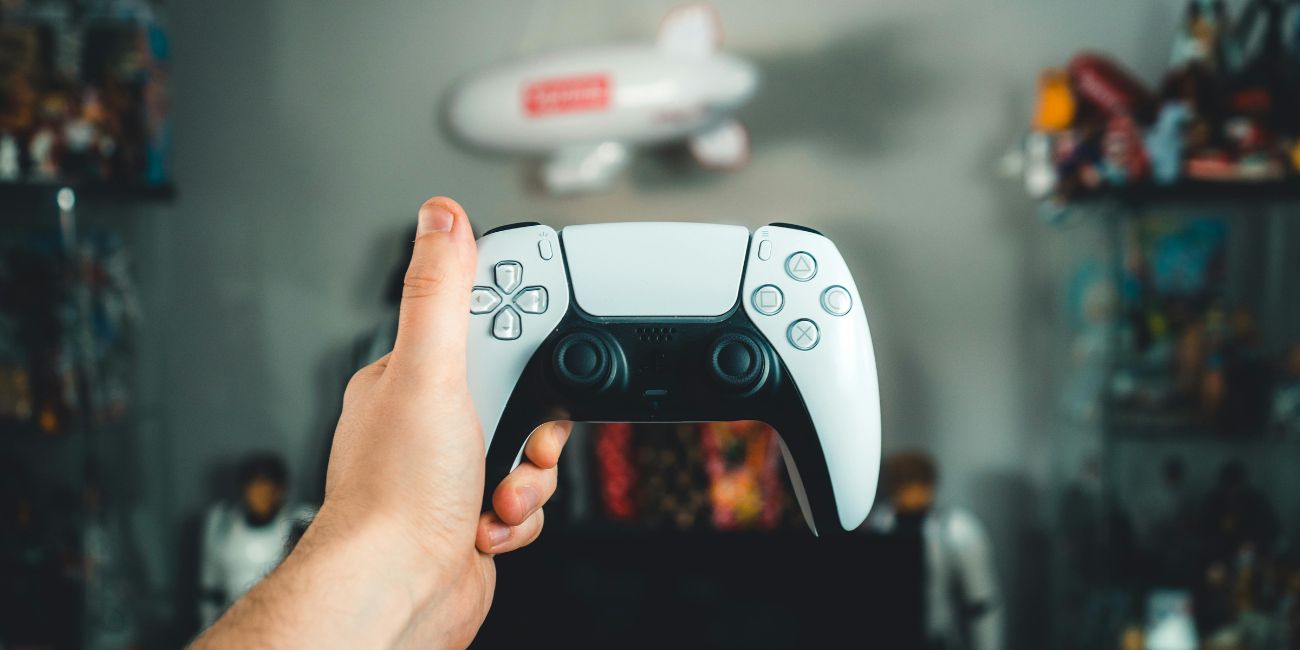
No. Sony is not saying that hardware does not matter. The console still sits at the center of PlayStation. Sony’s own material says the console is the gateway. So hardware stays important. What changes is the role of hardware inside the wider business. It is now the start of the relationship, not the whole story.
That is an important difference. Sony still needs strong hardware. The PS5 helps sell software. It helps grow PlayStation Network accounts. It supports PlayStation Plus. It creates demand for controllers, audio gear, remote play devices, and other products. Hardware is still there. It just sits inside a bigger model now.
A simple way to read the shift:
- Sony is not quitting consoles
- Sony is making consoles part of a larger business
- Sony wants more value after the hardware sale
- Sony wants platform loyalty not just launch-day demand
That view fits Sony’s leadership structure and investor messaging. The company did not separate hardware from the platform strategy. It placed products, services, platform experience, and third-party relations together under one platform leader.
What this means for players?
For players, this could mean a PlayStation experience that feels more connected over time. A player account matters more. Subscription value matters more. Store offers matter more. Community, cloud-linked features, digital libraries, and service access all become part of the full experience. The result is a system where the account and ecosystem can matter as much as the console itself.
This can also lead to more continuity. A player who stays in the PlayStation ecosystem may keep friends, purchases, subscriptions, and services in one place. That supports retention. It also makes moving from one generation to the next easier for Sony to manage. The goal is clear. Sony wants people to feel that staying inside PlayStation has ongoing value.
Still, not every player will love this shift. Some players care most about hardware power and exclusive games. Some may worry when companies talk too much about services and monetization. That concern is fair. But Sony’s public messaging does not say it will stop caring about consoles or first-party games. It shows the company wants both sides to work together.
What does this mean for developers and publishers?
For developers and publishers, a stronger platform business can create a bigger commercial base. If Sony grows monthly active users, store traffic, account engagement, and subscription reach, outside partners can benefit too. More active players can mean more game sales, more add-on sales, and more chances to stay visible inside the PlayStation ecosystem.
Third-party relations are also part of Nishino’s platform role. That matters. It shows Sony sees outside publishers and developers as part of platform growth. The stronger the ecosystem becomes, the more useful it is for studios that want distribution, discovery, and paying users. Sony is not talking only about its own games. It is talking about the full business system around PlayStation.
This is where platform thinking changes the story. A game console company mostly thinks about selling boxes and major releases. A platform company thinks about users, commerce, retention, accounts, services, and partner activity. Sony now sounds much closer to the second model.
How this aligns with Sony’s broader entertainment strategy
PlayStation is not moving in isolation. Sony has also talked about using PlayStation Network infrastructure more widely. That includes systems for accounts, payments, data, and security. Sony has described a broader engagement platform idea that can connect fan relationships across entertainment businesses.
That matters because Sony is not only a console company. It also works across games, film, music, anime, and other entertainment areas. When Sony talks about fan engagement and IP expansion, it is pointing to a business that wants stronger connections between franchises and audiences. PlayStation can act as one major door into that larger system.
You can see this in how Sony links PlayStation with wider IP work. The company has PlayStation Productions. It owns Crunchyroll. It has big franchises that can move between games, shows, film, and fan communities. So the platform shift is also about making PlayStation a stronger base for Sony’s broader entertainment strategy.
What to watch next
Sony’s future moves will show how serious this platform model is. Some signals will matter more than others.
Watch for these signs:
- More focus on PlayStation Plus and service retention
- More investors talk about monthly active users and lifetime value
- More growth in digital commerce and add-on spending
- More platform-linked accessories and companion devices
- More use of PlayStation IP across film television and anime
- More system-wide links between accounts payments and fan engagement
If those signals keep growing, then Sony’s platform shift is not just a talking point. It is the business plan. And at that point, PlayStation will look less like a console cycle story and more like a long-term entertainment platform.
Final take
Sony is still in the console business. That part has not changed. What has changed is how Sony explains the value of PlayStation. The company now puts more weight on ecosystem strength, recurring revenue, player engagement, services, and platform reach. That is a real shift in language and in business thinking.
So when a Sony executive confirms PlayStation is moving toward a platform business, the point is not that hardware is ending. The point is that Sony wants the hardware sale to lead into a longer and more profitable relationship. PS5, PlayStation Network, PlayStation Plus, PlayStation Store, first-party content, third-party support, and peripherals all connect inside that model. Sony is trying to make PlayStation bigger than the console itself.
If you have a view on where PlayStation should go next, share it. Do you want Sony to stay focused on consoles first, or do you think the platform model is the right move? Comment and share the article with others following Sony and the gaming industry.