



On-page SEO in 2026 is no longer a checklist of isolated keyword placements. It is a disciplined process for making each page technically accessible, contextually relevant, trustworthy, fast, and useful to real searchers. Search engines are better at interpreting intent, entities, page experience, and content quality, which means every on-page decision should support clarity, credibility, and user satisfaction.
TLDR: The strongest on-page SEO strategy for 2026 combines search intent, helpful content, technical precision, and excellent user experience. Focus on clear titles, structured headings, entity-rich content, schema markup, internal links, Core Web Vitals, accessibility, and ongoing content updates. Avoid shallow optimization tactics and build pages that genuinely answer the user’s question better than competing results.
1. Start With Search Intent, Not Keywords Alone
Before writing or optimizing a page, identify the primary search intent. In 2026, this is the foundation of effective on-page SEO. A page targeting an informational query should educate clearly. A page targeting a commercial query should compare options, address objections, and guide evaluation. A transactional page should reduce friction and make the next step obvious.
Review the current search results for your target query and ask:
- Are top-ranking pages guides, product pages, category pages, tools, reviews, or videos?
- What questions do they answer repeatedly?
- What format appears to satisfy users most effectively?
- Is the intent simple, mixed, or evolving?
Use keywords as signals, but do not force them unnaturally. Your goal is to match the reason behind the search, not merely repeat the search phrase.
2. Create a Clear, Search-Friendly Title Tag
The title tag remains one of the most important on-page SEO elements. It should clearly describe the page, include the primary topic, and encourage a qualified click. Keep it concise, typically under 60 characters when possible, but prioritize clarity over rigid character limits.
A strong title tag should:
- Include the main keyword or topic naturally.
- Communicate the page’s unique value.
- Avoid clickbait, exaggeration, or repetition.
- Match the content users will actually find on the page.
Example: “On-Page SEO Checklist for 2026: Best Practices That Matter” is clearer and more trustworthy than “SEO Secrets That Guarantee Rankings.”
3. Write Meta Descriptions for Relevance and Trust
Meta descriptions are not direct ranking factors in the traditional sense, but they influence how users understand your result. A well-written description can improve click-through rate by confirming that the page meets the searcher’s need.
Use one or two concise sentences. Mention the core benefit, include the topic naturally, and set accurate expectations. Avoid stuffing keywords or making guarantees. In a search environment increasingly shaped by AI-generated summaries and rich results, accurate metadata helps reinforce page relevance.

4. Use Headings to Build a Logical Content Structure
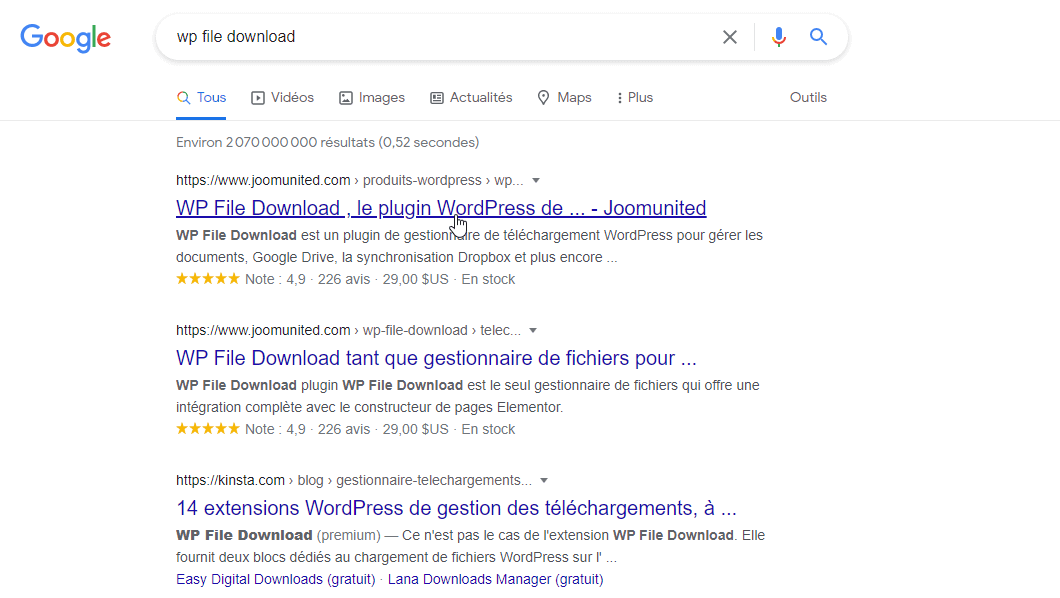
Headings should make the page easy to scan for both users and search engines. Use one clear H1 that describes the main topic of the page. Then use H2 sections for major points and H3 sections for supporting details.
Do not use headings merely for visual styling. They should represent the structure of the content. A user should be able to skim the headings and understand the page’s argument, process, or answer.
For long-form content, headings also support featured snippets, passage ranking, and accessibility. Clear sections help search systems identify which part of the page answers a specific query.
5. Optimize for Entities and Topical Depth
Modern SEO is increasingly entity-based. Search engines evaluate whether your page covers the people, places, concepts, tools, attributes, and relationships expected within a topic. This does not mean adding unnecessary jargon. It means covering a subject with enough depth and precision that the page appears credible.
For example, a serious page about on-page SEO should naturally discuss title tags, meta descriptions, headings, canonical tags, schema markup, internal linking, page speed, accessibility, and content quality. These related terms help establish topical completeness.
Use semantic variation naturally. Instead of repeating the same keyword, include related phrases that real users and experts would use. This improves readability and helps search engines understand the broader context.
6. Place Keywords Naturally in Important Areas
Keyword placement still matters, but the standard is natural usage. Include your main topic in the following places where appropriate:
- The title tag.
- The H1 heading.
- The opening paragraph.
- At least one relevant subheading.
- The URL slug.
- Image alt text, when the image genuinely relates to the topic.
Do not over-optimize. Repetitive wording can reduce trust and make the page feel outdated. In 2026, quality signals are increasingly tied to usefulness and user engagement, so natural language is essential.
7. Build Content That Demonstrates Experience and Credibility
Trustworthy content should show evidence of expertise. This is especially important for competitive or high-impact topics, including finance, health, legal, security, and business strategy. Even for general topics, users expect accuracy and accountability.
Strengthen content credibility by including:
- Specific examples instead of vague claims.
- Accurate definitions and explanations.
- References to reliable data where appropriate.
- Author information or editorial review signals.
- Clear update dates for time-sensitive content.
Avoid publishing generic content that repeats what every other page says. Add practical judgment, original framing, examples, checklists, comparisons, or lessons from real experience.
8. Improve Readability and Formatting
Readability is an SEO asset because users are more likely to stay, engage, and convert when content is easy to understand. Use short paragraphs, descriptive headings, bullet points, and clear transitions. Complex topics should be organized into manageable sections.
Formatting should serve comprehension. Use bold text to emphasize important points and italic text for nuance or examples, but do not overuse either. A serious, trustworthy page should feel edited, not decorated.
For mobile users, readability is even more important. Long blocks of text are difficult to scan on small screens. Make sure the page layout supports quick evaluation as well as deeper reading.
9. Add Internal Links With Clear Purpose
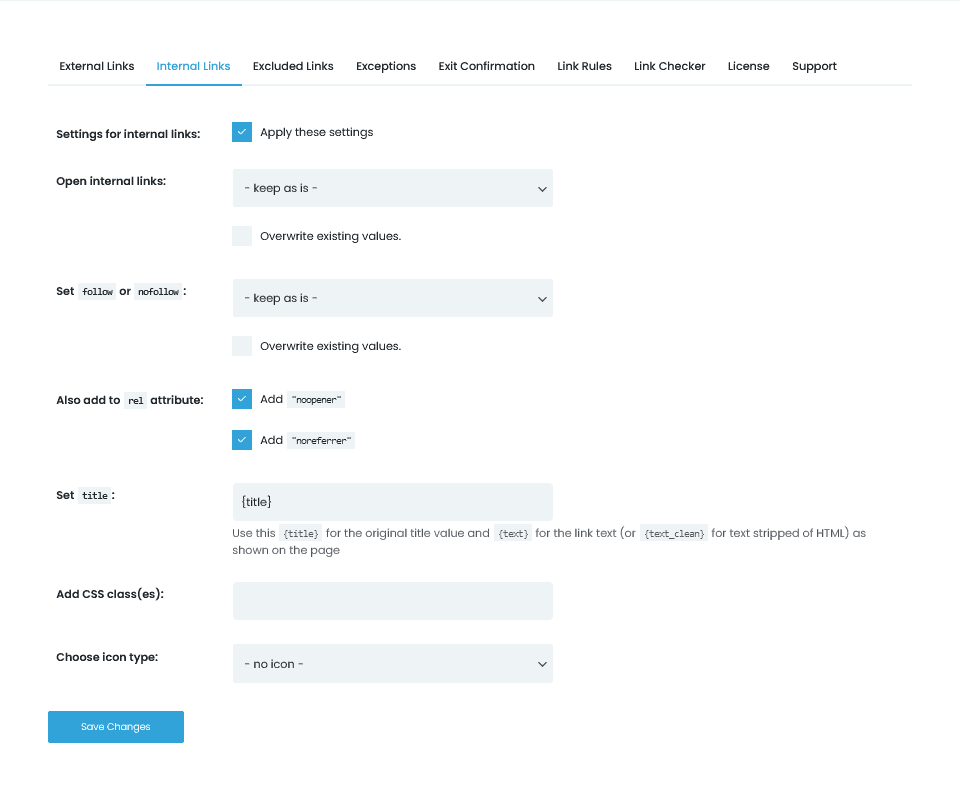
Internal linking helps users discover related resources and helps search engines understand site structure. In 2026, a strong internal linking strategy should be intentional, not automated without review.
Link from relevant pages to the new or updated page using descriptive anchor text. Avoid generic anchors such as “click here” when a clearer phrase is available. Also link outward from the page to supporting internal resources where they genuinely help the reader.
Important pages should not be buried deep in the site. If a page matters strategically, it should be accessible through navigation, category pages, content hubs, or related guides.

10. Use Descriptive, Clean URLs
A good URL is short, readable, and aligned with the page topic. It should help users and search engines understand what the page is about before opening it.
Best practices include:
- Use lowercase words.
- Keep URLs concise.
- Include the primary topic when natural.
- Avoid unnecessary dates, parameters, and numbers.
- Do not change established URLs without a clear reason and proper redirects.
A clean URL structure also makes site maintenance easier, especially as your content library grows.
11. Optimize Images for SEO and Performance
Images can improve comprehension, engagement, and search visibility, but only when they are properly optimized. Large, uncompressed images can damage performance and user experience.
For each important image, use a descriptive file name, compress the file, choose modern formats where suitable, and include helpful alt text. Alt text should describe the image for users who cannot see it. It should not be treated as a place to stuff keywords.
If images explain data, workflows, or comparisons, consider adding nearby text that summarizes the key takeaway. This makes the information accessible and easier for search systems to interpret.
12. Implement Structured Data Where Appropriate
Structured data helps search engines understand page elements more precisely. It can also support enhanced search appearances, depending on the page type and search engine policies.
Common schema types include:
- Article for editorial content.
- Product for product pages.
- FAQ for genuine question-and-answer sections.
- HowTo for step-by-step instructions where eligible.
- Organization and Person for identity signals.
Use structured data honestly. The markup must match visible page content. Misleading schema can reduce trust and may make a site ineligible for rich results.
13. Prioritize Core Web Vitals and Page Experience
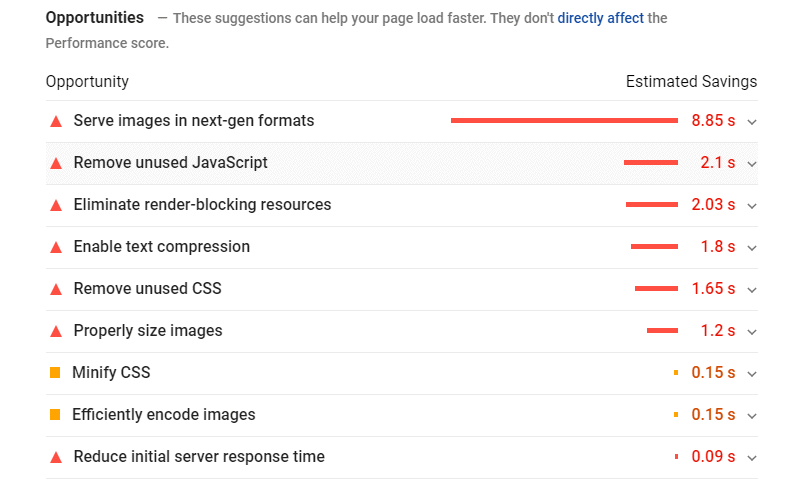
Performance is not just a technical concern. It affects user satisfaction, conversions, crawl efficiency, and overall search quality. Core Web Vitals remain important indicators of whether a page loads quickly, responds smoothly, and maintains visual stability.
Focus on improving:
- Largest Contentful Paint: Make the main content load quickly.
- Interaction to Next Paint: Ensure the page responds promptly to user actions.
- Cumulative Layout Shift: Prevent unexpected movement as the page loads.
Use lightweight code, optimized images, efficient scripts, reliable hosting, and sensible caching. A visually impressive page that feels slow or unstable will underperform.

14. Make the Page Accessible
Accessibility is a quality signal in the broadest sense: it makes content usable for more people. It also supports cleaner structure and better technical implementation.
Check that your page includes readable font sizes, sufficient color contrast, keyboard-friendly navigation, descriptive link text, alt text for meaningful images, and properly labeled form fields. Accessibility improvements often overlap with SEO improvements because both depend on clarity and structure.
15. Manage Canonicals, Indexing, and Duplicate Content
Every important page should send clear indexing signals. Use canonical tags to indicate the preferred version of similar or duplicate pages. Make sure important pages are not accidentally blocked by robots.txt, noindex tags, or misconfigured headers.
For ecommerce and large websites, duplicate content can appear through filters, sorting parameters, pagination, and tracking URLs. Review these patterns regularly. A technically clean site helps search engines spend crawl resources on pages that matter.
16. Keep Content Fresh and Accurate
On-page SEO does not end when a page is published. Information changes, competitors improve, search intent evolves, and internal links become outdated. Schedule periodic reviews for important pages.
During an update, check facts, refresh examples, improve weak sections, add missing subtopics, update screenshots, test links, and compare the page against current search results. Meaningful updates are more valuable than simply changing the publication date.
17. Include Clear Conversion Paths
SEO should support business goals without compromising user trust. Each page should have a logical next step, whether that is reading a related guide, subscribing, requesting a quote, downloading a resource, or viewing a product.
Calls to action should be relevant to the user’s stage of intent. Informational pages may benefit from softer next steps, while transactional pages should make purchasing or contacting simple and secure.
Final On-Page SEO Checklist for 2026
- Confirm the primary search intent.
- Write a clear title tag and meta description.
- Use one focused H1 and logical subheadings.
- Cover the topic with entity-rich depth.
- Place keywords naturally in important areas.
- Demonstrate expertise, accuracy, and trust.
- Improve readability for desktop and mobile users.
- Add relevant internal links.
- Use clean URLs and optimized images.
- Apply accurate structured data.
- Improve Core Web Vitals and accessibility.
- Check canonicals, indexing, and duplicate content.
- Update important content regularly.
The ultimate on-page SEO standard for 2026 is simple but demanding: create pages that are technically sound, genuinely helpful, and easy to trust. Search engines will continue to evolve, but pages that serve users with clarity, speed, accuracy, and depth will remain well positioned for long-term visibility.