



Running a startup is like riding a rollercoaster. One moment you’re full of ideas, the next you’re buried in chaos. CEOs today need more than just guts and passion—they need structure. That’s where the Entrepreneurial Operating System (EOS) comes in. It’s like a GPS for your business, guiding you from wild vision to real traction.
TL;DR:
EOS helps CEOs bring structure to startups. It aligns teams, boosts productivity, and keeps the mission on track. Below are seven tools CEOs swear by for turning big dreams into real results. Use these tools to make your startup smoother, clearer, and more focused.
1. Vision/Traction Organizer (V/TO)
This is the heart of the EOS. The V/TO turns your fuzzy dreams into a clear game plan. Think of it as your business’s compass.
- What: A two-page document capturing your core values, mission, marketing strategy, and long-term goals.
- Why it rocks: It makes sure everyone, from interns to investors, knows where you’re heading.
The V/TO keeps you laser-focused by summarizing:
- Your 10-year target
- 3-year picture
- 1-year plan
- Quarterly goals (called “Rocks”)


2. Level 10 Meetings
Meetings don’t have to be boring. Level 10 Meetings make sure your team gets stuff done, week after week. They’re called “Level 10” because they’re designed to be 10 out of 10 in efficiency and value.
- What: A weekly, 90-minute meeting with your leadership team.
- Why it works: It follows the same agenda every week, cutting out confusion and boosting focus.
The standard agenda includes:
- Good news
- Scorecard review
- Rock review
- Customer/employee headlines
- To-do list check
- IDS (Identify, Discuss, Solve)
It keeps your team aligned and moves issues off the table fast.
3. Scorecard
This tool is all about the numbers. A Scorecard tracks 5–15 key metrics that matter most. It shows you if your business is healthy at a glance.
- What: A weekly snapshot of KPIs.
- Why it’s awesome: Early warnings help you fix problems fast—before they grow.
Your metrics could include:
- Sales leads per week
- Customer churn rate
- Outstanding invoices
- Website traffic
Everyone has a number, and everyone is accountable.
4. Accountability Chart
This isn’t your grandma’s org chart. The Accountability Chart breaks your business into functions, not just titles.
- What: A clear map of who is doing what.
- Why it’s useful: It helps avoid job overlap, missed tasks, and finger-pointing.
Every role has defined duties and goals. It answers “Who’s doing what?” without the ego.

5. Rocks
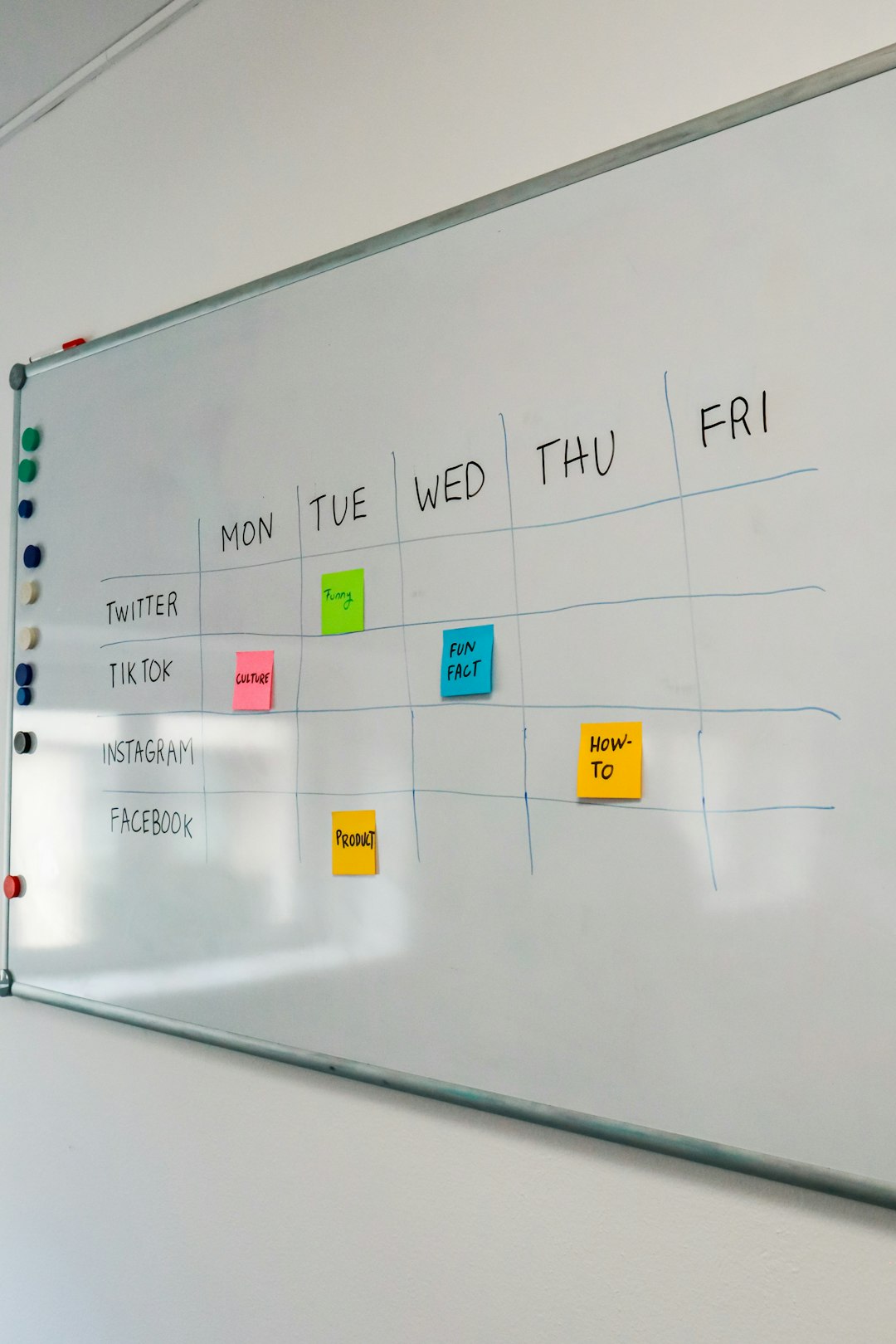
In EOS speak, Rocks are your quarterly goals. They’re the most important things you have to get done in the next 90 days.
- What: 3–7 top priorities for each team member or team.
- Why it works: Keeps people focused on what truly matters.
Why call them Rocks?
Imagine trying to fill a jar with rocks, pebbles, and sand. If you put in the sand first, the rocks won’t fit. But if you place the big rocks first, everything else fits around them. That’s the idea here. Focus on big stuff first.
6. Issues List
Startups face tons of problems. The Issues List helps you capture, prioritize, and solve them.
- What: A running list of challenges, decisions, and even ideas.
- Why it helps: Keeps issues from being buried or ignored.
Your team uses this list during Level 10 Meetings. First, you identify real issues. Then, you discuss them until the root cause is clear. Finally, you solve them. It’s practical problem-solving with no fluff.
7. People Analyzer
You can’t scale without the right people. The People Analyzer helps you make sure team members fit your company culture and deliver results.
- What: A tool to evaluate if team members “Get It, Want It, and have the Capacity to Do It” (GWC).
- Why it’s important: Ensures everyone is rowing in the same direction.
It also measures how each person lives your company’s core values. If a team member doesn’t match the values or their role, it’s time for a conversation.


Putting It All Together
Here’s where the magic happens. Each of these seven tools plays a part in helping CEOs get a grip on their startup. They’re simple, but powerful when used together.
Let’s break down how they fit:
- Set direction: Vision/Traction Organizer
- Get the right team: People Analyzer & Accountability Chart
- Measure performance: Scorecard
- Stay on track: Rocks
- Fix problems fast: Issues List & Level 10 Meetings
Use these tools consistently, and you’ll create a company that runs like a well-oiled machine. Not perfect, but predictable, scalable, and aligned.
Final Thoughts
Startups thrive on hustle. But hustle without direction can lead to burnout. EOS tools give CEOs a framework for clarity, culture, accountability, and results.
Don’t try to master them all at once. Start where your biggest pain point is. Maybe it’s unclear goals? Use the V/TO. Team drama? Try the People Analyzer. Slow progress? Start tracking Rocks.
The point is: start somewhere. Your future self (and your team) will thank you.