


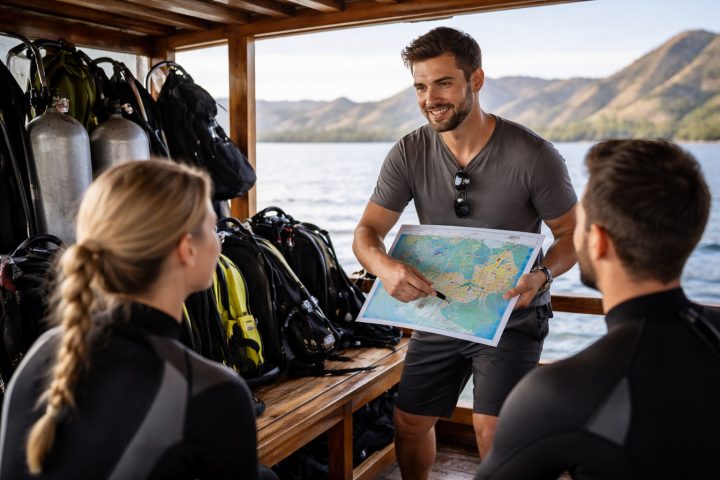
If you manage guests anywhere near Labuan Bajo long enough, you learn that the most valuable service isn’t a glossy brochure, it’s clear expectations. Our front-desk team keeps a simple principle: good trips start with good information, which is why we share Komodo Island scuba-diving guidance early and in plain language, so guests can plan around currents, crossings, and comfort rather than discovering the hard way on a rocking boat at 6 a.m.
I’ve spent more than 15 years managing small hotels and hospitality operations around Komodo. I’ve also watched the destination evolve quickly, with more travellers, more boats, and higher expectations. Komodo remains one of Indonesia’s most compelling marine regions, but it rewards preparation. This article is written for an unusual but very real audience: travel and hospitality readers who happen to build software, especially those thinking about how tools, flows, and data can support safer, smoother diving travel without turning it into something clinical.
What follows is practical, human-centred guidance that connects the dive day, the hotel stay, and the systems behind them.


Komodo is a “moving parts” destination.
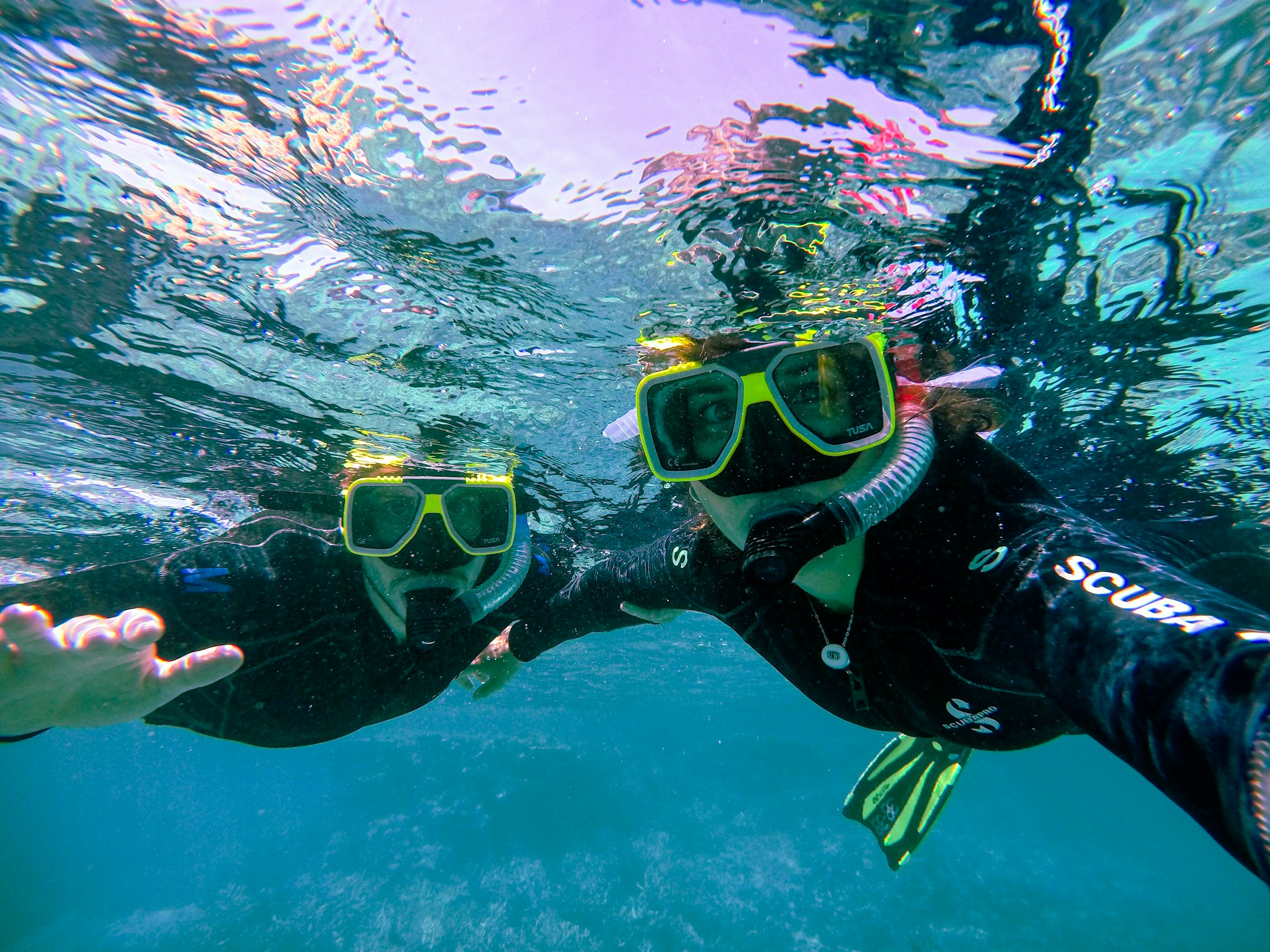
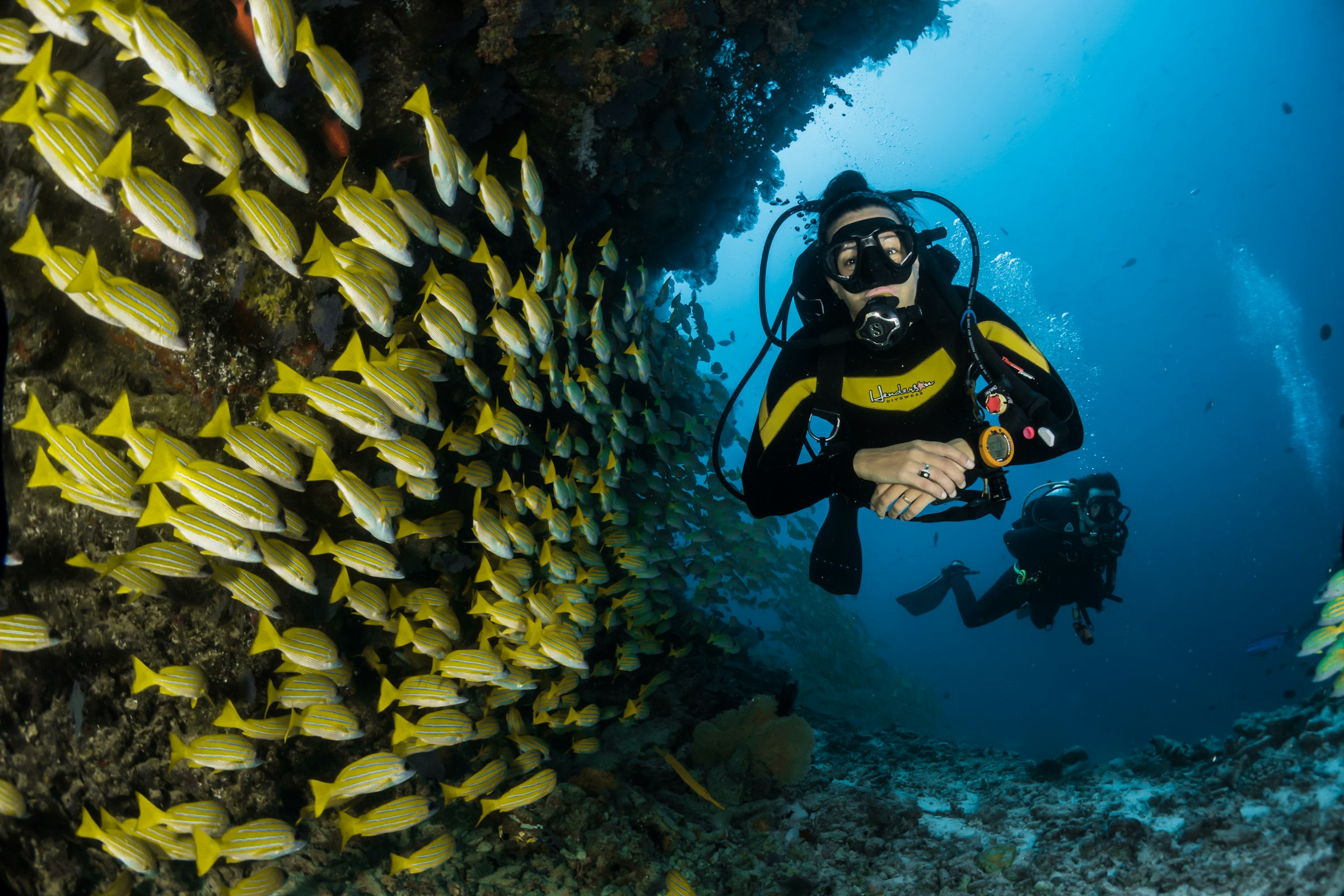
When people say Komodo Island scuba diving, they often imagine one iconic scene: manta rays, bright reefs, and effortless drift dives. The reality is a little more textured. Komodo’s strength lies in the variety of water temperatures north and south, different current patterns, and varying site exposures depending on tide and wind. Even the boat ride is part of the experience, for better or worse.
For travellers, that means the plan has to be flexible. For hotels and operators, it means the guest journey must be designed around variability. The best days in Komodo happen when all guests, hotels, and dive operators share the same picture of what “a normal day” looks like.
From a software developer’s perspective, Komodo is a case study in dynamic operations: inventory changes quickly (rooms, boats, guides), decisions rely on real-time inputs (weather, tides, guest readiness), and service quality depends on handovers (hotel to dive centre to boat crew and back again).
What guests actually need before they dive
Most guest friction doesn’t come from the reef. It comes from uncertainty: where to be, what to bring, how early, how long, what happens if the weather turns, and whether their experience level is a good match for the day’s sites. Clear guidance reduces support load and improves satisfaction.
The essentials we communicate without lecturing are:
- Timing and pace: early starts are common, and the day may run long.
- Crossings and comfort: seasickness management is practical, not embarrassing.
- Conditions: currents can be strong; some days are better for advanced divers.
- Hydration and sun: the quickest way to ruin a dive trip is dehydration plus heat.
- Equipment reality: what is available locally and what guests should bring if fussy.
This is the foundation of Komodo National Park diving in Indonesia as a product: not just “go diving”, but “go diving well”.
The national park factor: rules, etiquette, and pressure
Komodo is not just a dive destination; it is a protected area with increasing visitor pressure. Guests may not think about this until they see crowded jetties or multiple boats at a popular site. From a hospitality standpoint, the goal is to keep the experience calm and respectful.
Practical park etiquette that matters to divers includes:
- Keeping buoyancy controlled to avoid reef contact
- Respecting marine life space, especially around mantas
- Following the guide, positioning, and group discipline in the current
- Accepting site changes when conditions or crowding demand it
In other words, the “best” Komodo day is often the day the team makes conservative choices. That’s not a compromise; it’s professionalism.
How hotels shape the dive experience more than they realise
People assume the dive operator owns the experience. In practice, the hotel frames it. Guests decide whether they feel ready, comfortable, and supported long before they step onto a boat. This is where Komodo Island hotels play a strategic role, especially small properties that win through service, not scale.
Three hotel touchpoints have an outsized impact:
1) The night before
If a guest sleeps badly, misses breakfast, or can’t find their kit, the dive day starts behind schedule and slightly stressed. Simple actions help: clear wake-up options, early breakfast solutions, quiet corridors, and a place to rinse and dry equipment that doesn’t feel like an inconvenience.
2) The morning run
Diving departures are routine for locals and unfamiliar for visitors. Guests value: a clear pick-up point, a reliable time window, and quick answers. The smoother the morning handoff, the more confident they feel.
3) The return and recovery
After a long day, guests need frictionless recovery: water, towels, drying space, and a sense that staff understand the rhythm of diving travel. It’s not luxury; it’s alignment.
When people ask about the best hotels on Komodo Island, the honest answer is that “best” often means “best aligned to the dive routine”: practical comfort, predictable support, and staff who understand why a wet wetsuit and a 5 a.m. wake-up are regular.
What software developers can learn from Komodo’s operational reality
Komodo is full of “handover moments” that create risk and friction. These are precisely the moments where thoughtful software design can add value without becoming intrusive.
Here are common pain points that software can solve if designed with hospitality in mind:
Guest readiness and fit-to-dive clarity
Divers arrive with different experience levels and recent dive history. The best outcomes come when expectations are set early. A simple, respectful intake flow that captures recency, comfort in currents, and preferences can reduce mismatches and last-minute stress.
Schedule integrity across stakeholders.
Hotels, transport, dive centres, and boats operate on interlocking schedules. When changes occur, guests need a single, clear message, not multiple partial updates. Systems that support a single source of truth, time changes, meeting points, and what to bring reduce confusion.
Post-dive feedback that improves tomorrow
The most helpful feedback is operational: “briefing was unclear”, “sea state was rough”, “crossing took longer”, “group size felt big”. Lightweight, structured feedback loops can help operators improve quickly without relying only on public reviews.
Equipment and logistics tracking
Even minor improvements, confirming rental sizing, noting guest kit needs, and managing rinse/dry capacity can reduce daily friction. But it only works if the interface is built for busy staff, not for perfect data entry.
The design principle is simple: Komodo operations move fast and run on people. Software should reduce cognitive load, not add it.
A realistic view of “bucket-list” expectations
Komodo’s reputation draws travellers who want a defining experience. That can be wonderful, but it can also create pressure: guests may expect perfect visibility, guaranteed big animals, and calm seas. The most effective hospitality is not to dampen excitement, but to shape it into realistic anticipation.
A human, helpful framing sounds like:
- “Conditions change; we plan around them.”
- “The most memorable encounters are never guaranteed.”
- “Safety calls are part of what makes this destination special.”
When guests understand this, they feel guided rather than managed.
Closing thought: the best Komodo experiences are engineered, not improvised.
Komodo rewards preparation. The diving can be world-class, but the guest experience becomes exceptional when hotels, operators, and systems work together: clear information, smooth handovers, sensible pacing, and respect for the environment.
For travellers, that means choosing a trip style that matches their comfort and letting the day evolve with the sea. For those building tools in the Komodo travel ecosystem, it means designing software that supports reality: early starts, shifting conditions, multiple stakeholders, and guests who want to feel cared for, not processed.
Done well, Komodo Island scuba diving guidance is not a leaflet. It’s a service philosophy: calm, clear, and focused on helping people enjoy one of Indonesia’s most remarkable marine regions safely and meaningfully.