
Half Sword has drawn attention for its brutally realistic medieval combat, physics-driven mechanics, and unapologetically gritty presentation. As interest in the game continues to grow, many players are asking a simple but important question: is Half Sword multiplayer? The answer is not as straightforward as some might expect, and it requires a clear understanding of the game’s current design and development status.
TLDR: Half Sword is not currently a multiplayer game. It is primarily a single-player, physics-based medieval combat experience focused on realism and immersion. While there has been community interest in multiplayer features, no fully implemented online or local multiplayer mode exists at this time. Future updates may expand functionality, but as of now, the experience is strictly single-player.
What Is Half Sword?
Half Sword is an independent medieval combat simulation that emphasizes historically grounded weapon handling, physics-based dueling, and visceral realism. Rather than focusing on arcade-style gameplay, the game attempts to replicate the awkward, dangerous, and often unpredictable nature of real medieval combat.
The title takes its name from the historical technique of “half-swording,” where a combatant grips the blade of their sword with one hand to gain greater control in close-quarters combat. This attention to historical detail extends into the game’s physics system, character animations, and weapon mechanics.
Key features include:
- Physics-driven combat mechanics
- Detailed limb targeting and injury simulation
- Realistic medieval armor and weapon representations
- Unscripted duels focused on emergent gameplay
The focus on these systems is central to understanding why multiplayer is not currently part of the experience.
The Current State: Is There Multiplayer?
As of now, Half Sword does not feature multiplayer support. There is no online matchmaking, no cooperative mode, and no player-versus-player network component available in the public versions of the game.
The game is designed as a single-player physics sandbox, where players duel against AI-controlled opponents. All combat interactions are processed locally through the physics engine, which calculates impacts, limb movement, weapon collisions, armor resistance, and balance in real time.
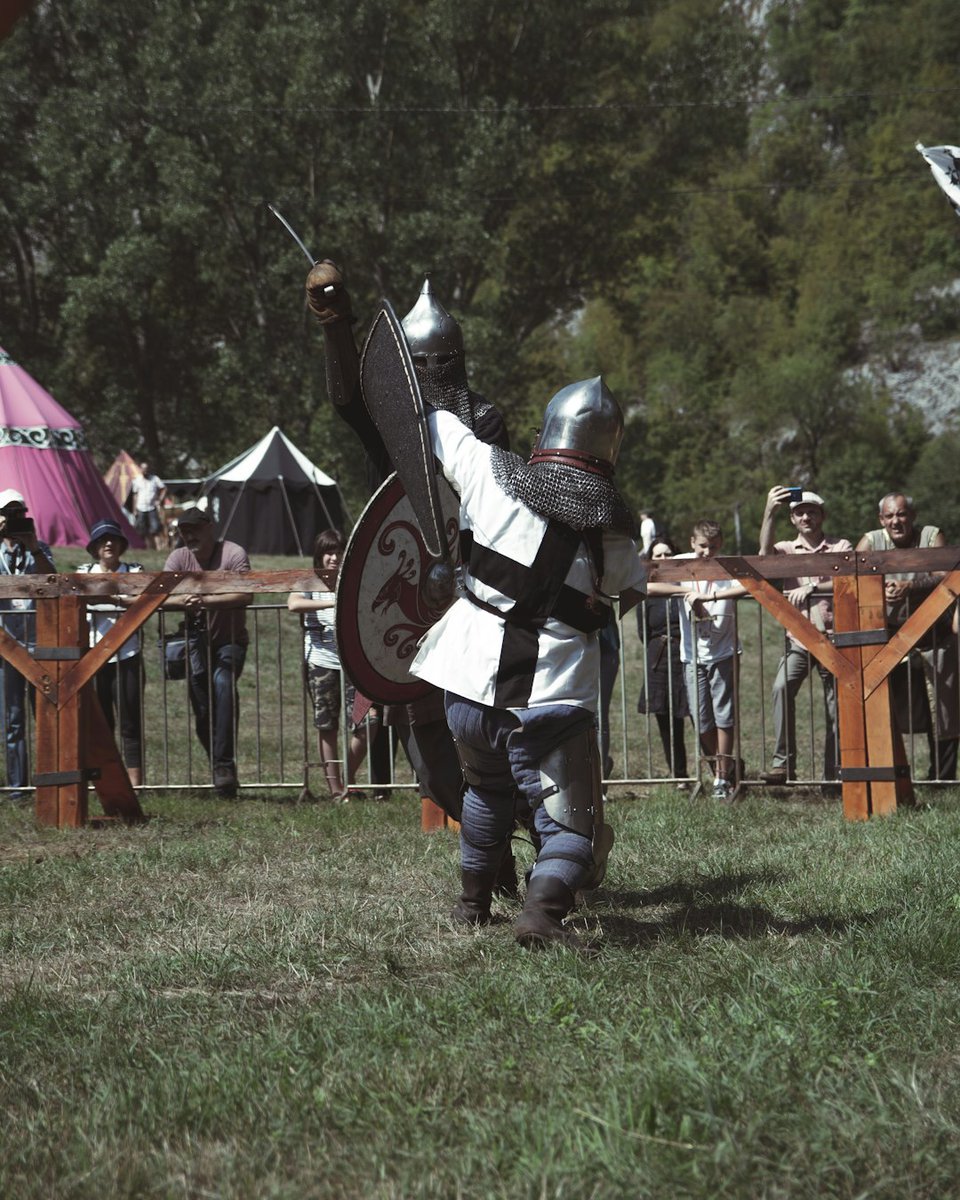
Implementing multiplayer in such a system would require significant restructuring. Physics-based combat systems are notoriously complex to synchronize over a network, particularly when:
- Every limb is independently simulated
- Weapon contact points are calculated dynamically
- Character balance and weight distribution matter
- Minor latency can drastically affect outcomes
In highly realistic combat games, even milliseconds of delay can disrupt the sense of authenticity and fairness. Because Half Sword aims for extremely high realism, multiplayer networking presents serious technical challenges.
Why Players Assume It Might Be Multiplayer
There are several reasons why new players often assume Half Sword could have multiplayer functionality.
1. Duel-Focused Design
The game revolves around one-on-one combat. Naturally, many players associate dueling mechanics with player-versus-player competition. Games centered on swordplay often include multiplayer components, so it is reasonable for newcomers to expect the same here.
2. Competitive Appeal
The skill ceiling in Half Sword appears high. Timing, positioning, grip, and stamina management all play critical roles. Systems like these typically thrive in competitive environments.
3. Community Interest
Online forums and community discussions frequently raise the topic of multiplayer implementation. There is clear demand for:
- Online duels
- Local split-screen combat
- Private lobby tournaments
- Cooperative scenarios
However, interest alone does not guarantee feasible implementation.
Technical Barriers to Multiplayer
To understand why multiplayer is absent, it’s helpful to examine the technical realities behind physics-based sword fighting games.
Real-Time Physics Synchronization
In most competitive multiplayer games, character animations are either pre-scripted or blended between predictable states. By contrast, Half Sword relies heavily on dynamic physics calculations. Each collision between blade and armor must be resolved in real time.
In multiplayer systems, developers must choose between:
- Client-side prediction, which can lead to desynchronization
- Server authority, which may introduce visible latency
- Hybrid models, which are difficult to perfect
In a game where small adjustments in foot placement or hand positioning determine victory, network delay could fundamentally undermine design goals.
Image not found in postmeta
Balancing Realism and Fairness
In a purely local single-player environment, physics behave consistently for one user. In multiplayer, slight network instability could result in:
- Missed parries that appeared valid on one screen
- Delayed hit detection
- Unfair stamina consumption
- Weapon clipping or phantom strikes
For a game marketed around authenticity, such problems would be highly damaging to credibility.
Is Multiplayer Planned for the Future?
While there is ongoing speculation about future features, there has been no official confirmation of a fully developed multiplayer system. That does not necessarily mean multiplayer will never happen. However, it does mean that players should temper expectations based on the game’s current structure.
Independent development teams must carefully allocate resources. Building multiplayer infrastructure involves:
- Dedicated server architecture
- Network code development
- Testing across multiple regions
- Ongoing server maintenance
For a physics-intensive title, these requirements are multiplied.
It is possible that experimental modes, local dueling prototypes, or limited peer-to-peer systems could appear in the future. However, no formal roadmap guarantees such features.
How the Single-Player Experience Stands on Its Own
It is important to note that Half Sword was not designed as a multiplayer-first experience. Its strength lies in immersive simulation and experimentation.
Players can:
- Practice historical techniques such as half-swording
- Experiment with armor configurations
- Test different weapon types
- Refine timing and footwork
The unpredictable AI and emergent combat scenarios give replayability even without human opponents. While some players may prefer competitive multiplayer, the current design philosophy prioritizes authenticity over scalability.
Comparison to Similar Games
There are other medieval combat games that successfully implemented multiplayer modes. However, many of them compromise in one or more areas:
- Simplified physics systems
- Animation-based combat instead of freeform physics
- Limited hit detection zones
- Reduced simulation detail
Half Sword distinguishes itself by refusing to make those compromises. Whether that remains viable in the long term may depend on the game’s evolving audience.
Community Mods and Workarounds
Some members of the community speculate about modded multiplayer or unofficial network experiments. While theoretically possible, such solutions would face the same structural hurdles as official development.
Players should also be cautious with unofficial modifications, as they can:
- Introduce instability
- Break core mechanics
- Corrupt save data
- Create inconsistent gameplay experiences
At the moment, no stable community-supported multiplayer build exists.
Final Verdict
So, is Half Sword multiplayer? No, it is not. The game currently remains a single-player medieval combat simulation focused on physics realism and immersive duels against AI opponents.
While multiplayer would undoubtedly enhance competitive appeal and community interaction, the technical requirements are substantial. Synchronizing advanced physics-based combat over a network without sacrificing realism presents a formidable challenge—especially for an independent project.
For now, players interested in Half Sword should approach it as a deeply immersive single-player experience. Its strengths lie not in online competition, but in meticulous simulation, historical authenticity, and emergent one-on-one combat scenarios. Should multiplayer ever become part of its future, it will require careful implementation to preserve the integrity that defines the game today.

