

As developers look forward to 2026, the competition in the Mac App Store is more fierce than ever. With a growing number of creatives, professionals, and casual users relying on macOS software, finding effective strategies to increase Mac app sales has become a top priority. Whether you’re an indie developer or a part of a large software team, mastering the art of promotion, discoverability, and product quality is essential for success.
TL;DR
If you’re aiming to boost Mac app sales in 2026, focus on enhancing visibility through search engine and App Store optimization, leveraging Apple’s growing ecosystem integrations, and using targeted pricing models. Prioritize user trust by refining UI/UX and implementing clear privacy policies. Finally, invest in community-driven marketing and build long-term relationships through consistent support and updates.
1. Optimize Your App Store Presence
The Mac App Store remains one of the most discoverable platforms for macOS users. However, success here is largely determined by how well your app appears in search results and how much trust it instills in visitors.
- Keyword Optimization: Conduct thorough keyword research to find terms that are both relevant and attainable. Use keywords in your app’s title, subtitle, and metadata.
- High-Quality Screenshots and Previews: Use clean, professional visuals that highlight the functionality and value of your app.
- Localized Descriptions: Translate your app’s content into several languages. In 2026, non-English markets continue to grow rapidly in macOS adoption.
Remember, your app listing is your storefront. Make it inviting, informative, and accurate.
2. Capitalize on Apple Ecosystem Integration
macOS 2026 features even tighter integration with the Apple ecosystem. Leveraging seamless crossover functionalities with iOS, iPadOS, and visionOS can significantly enhance your app’s utility and visibility.
- Universal Purchases: Offer a single purchase that works across macOS, iOS, and iPadOS platforms.
- iCloud Synchronization: Ensure data sync for users who use your app across different Apple devices.
- Support for Continuity Features: Features like Handoff and Sidecar can improve the experience and perceived value of your app.
Apple often features apps that promote and support these integrations, increasing chances of being highlighted in the Store’s curated sections.
3. Refine Monetization and Pricing Strategies
Monetizing Mac apps in 2026 is more nuanced than ever. A one-size-fits-all pricing model no longer works. Align your pricing strategy with customer expectations, perceived value, and competitive positioning.
- Freemium Models: Allow users to try basic functionality at no cost. Then, offer meaningful upgrades behind a subscription or one-time fee.
- Flexible Subscriptions: Offer monthly and yearly plans, and include family sharing to widen your market appeal.
- Seasonal Promotions: Use major Apple events, Black Friday, and Back-to-School seasons to drive time-sensitive sales.
Data from 2023–2025 shows that developers who test pricing via A/B experiments see a 17–28% increase in average revenue per user.
4. Invest in In-App Quality and User Experience
No marketing trick can sustainably grow your app if the user experience is poor. In 2026, design-conscious Mac users expect clean UI, smooth interactions, and fast performance.
- Adopt SwiftUI and macOS Native Components: These ensure modern appearance and better accessibility compliance.
- Onboarding Flows: Provide a seamless and helpful onboarding experience that introduces key app features quickly.
- Performance and Stability: Regularly profile and optimize your app for RAM, storage, and CPU usage.
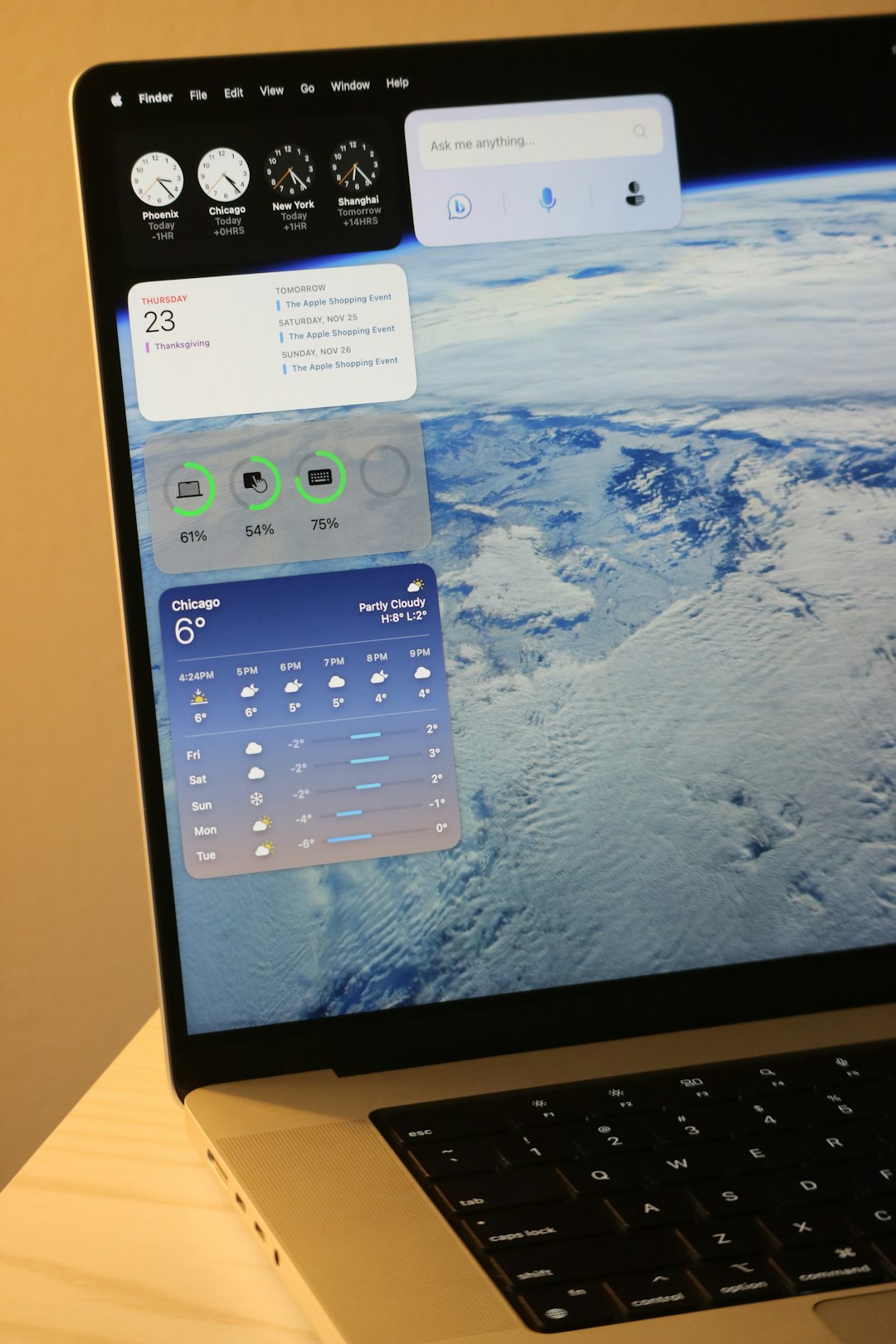
Exceptional experience drives word-of-mouth referrals and positive App Store reviews, which in turn impact your app’s discoverability.
5. Build Brand and User Trust
Trust is a decisive factor in app installs and purchases. With tighter data regulations and increasing user awareness about privacy, being transparent and responsible is more important than ever.
- Clear Privacy Statements: Communicate how data is collected and used in understandable language.
- Secure Architecture: Leverage Apple’s authentication and encrypted storage APIs.
- Good Customer Support: Provide responsive support channels and maintain a visible changelog of updates and fixes.
Apps that appear trustworthy are not only more likely to be downloaded; they’re less likely to be deleted after a single use.
6. Harness the Power of Community and Content Marketing
Communities form around useful applications. Establishing a network of loyal users can serve as your strongest marketing force. Moreover, valuable content attracts traffic and builds brand equity.
- Developer Diaries and Behind-the-Scenes: Sharing the development journey humanizes your brand and builds anticipation.
- Guest Blogging and Podcast Engagements: Share insights and demonstrate thought leadership on platforms frequented by your target audience.
- User-Generated Content: Create campaigns that encourage users to showcase how they use your app.
Mac-focused communities such as Reddit’s /r/macapps or MacRumors forums can help amplify your reach if you engage consistently and authentically.

7. Integrate Analytics and Iterate Based on Feedback
Success in the Mac app ecosystem relies on ongoing improvement, and data should guide this process. In 2026, real-time analytics and post-install behavior tracking have become standard tools of the trade.
- Monitor User Funnels: Track where users drop off in onboarding or purchasing to improve conversion rates.
- Feedback Widgets: In-app widgets allow users to quickly rate features, report bugs, or suggest enhancements.
- Crash Reporting: Integrate tools like Sentry or Crashlytics to get real-time reports and fix stability issues proactively.
Adapting your app based on concrete telemetry enables you to ship impactful updates faster and more effectively than your competitors.
8. Leverage Strategic Partnerships and Influencers
Sometimes, success comes from relationships. Collaborating with niche influencers or complementary apps can help break into new user segments.
- Bundle Offerings: Partner with related apps to offer value-added bundles during specific campaigns or seasons.
- Affiliate Programs: Reward influencers and blogs that generate conversions by offering them a percentage of sales.
- App Comparison Sites: Reach out to websites and YouTube reviewers that rank top apps in your category.
Strategic exposure on authoritative sources can produce sales spikes that a regular ad campaign may never achieve.
Conclusion
The Mac App marketplace in 2026 is more dynamic and user-focused than ever. Developers who hope to thrive must deliver more than just functionality—they must provide polished, trustworthy experiences backed by savvy business strategies. Invest in your app’s visibility, user experience, and community engagement, while constantly iterating based on data. The market will reward those who evolve with it.

