
LVMH is a name you hear a lot in the world of luxury. But what does it actually own? The answer is: a lot. From fashion and jewelry to champagne and even hotels, LVMH controls some of the most famous brands on the planet. Let’s break it all down in a simple and fun way.
TLDR: LVMH (Moët Hennessy Louis Vuitton) is the world’s largest luxury group. It owns more than 75 well-known brands across fashion, beauty, jewelry, watches, wine, and hospitality. Some of its biggest names include Louis Vuitton, Dior, Fendi, Tiffany & Co., Sephora, and Dom Pérignon. If it feels fancy, there’s a good chance LVMH owns it.
What Is LVMH?
LVMH stands for Moët Hennessy Louis Vuitton. The company was formed in 1987 by merging fashion house Louis Vuitton with wine and spirits company Moët Hennessy.
It is led by billionaire Bernard Arnault. Under his leadership, LVMH has grown into the biggest luxury company in the world.
Today, LVMH owns over 75 brands. They are grouped into six main categories:
- Fashion & Leather Goods
- Watches & Jewelry
- Perfumes & Cosmetics
- Wines & Spirits
- Selective Retailing
- Other Activities (like hotels and yachts)
Let’s go through them one by one.
Fashion & Leather Goods
This is LVMH’s biggest and most profitable division. It includes some of the most famous fashion houses in history.
- Louis Vuitton – The crown jewel. Known for its iconic monogram bags and luggage.
- Christian Dior Couture – High fashion, elegant dresses, and luxury handbags.
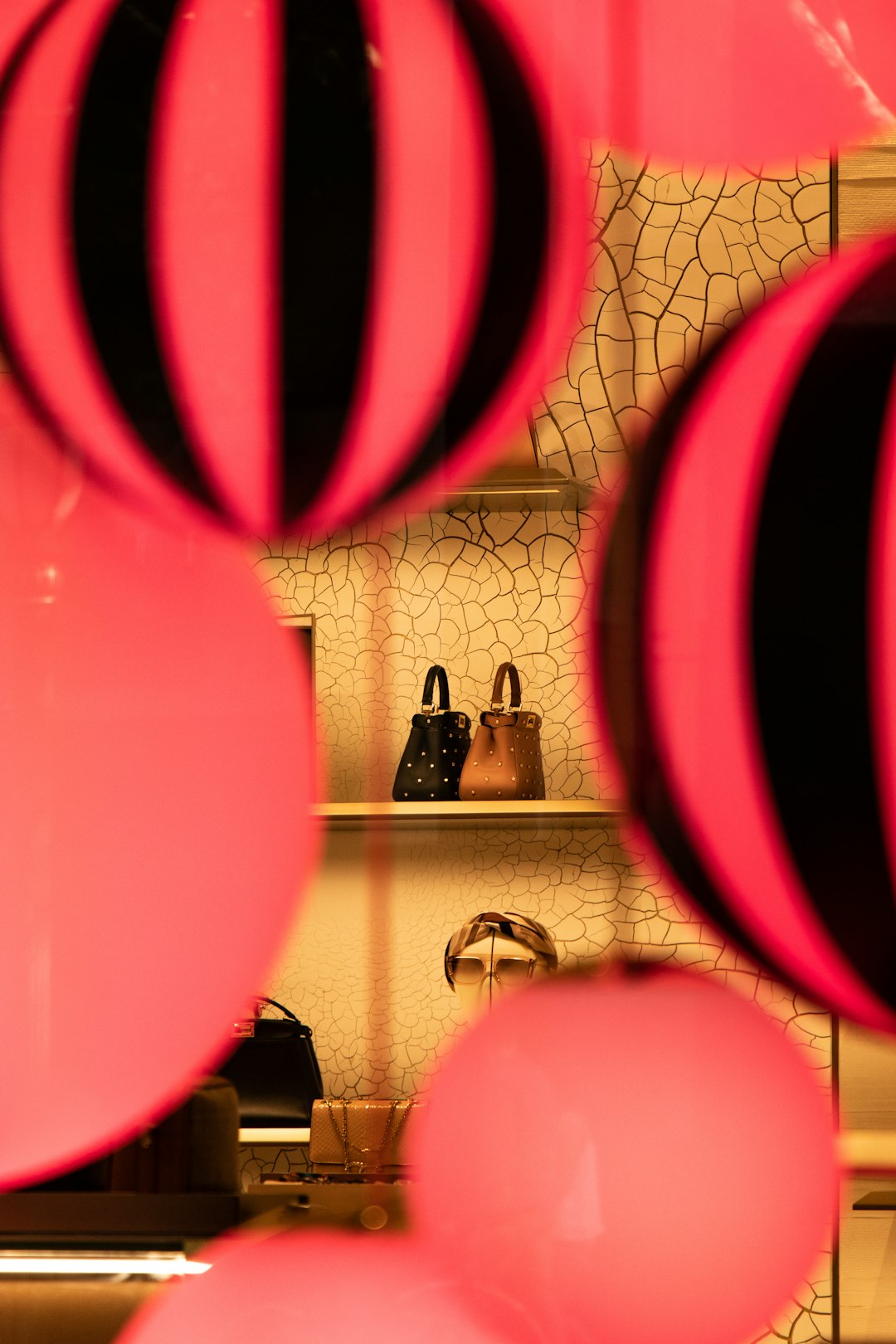
- Fendi – Famous for fur, leather goods, and the “FF” logo.
- Celine – Minimalist, chic fashion.
- Loewe – Spanish brand known for craftsmanship and leather.
- Givenchy – French luxury fashion and couture.
- Marc Jacobs – Modern and playful fashion.
- Kenzo – Bold prints and creative designs.
- Emilio Pucci – Colorful patterns and Italian glamour.
- Berluti – High-end men’s shoes and leather goods.
- Loro Piana – Luxury cashmere and fine fabrics.
- Rimowa – Premium luggage with aluminum design.
- Patou – Parisian fashion house revived by LVMH.
These brands cover everything from streetwear to haute couture. Some are heritage houses that are more than 100 years old.
Watches & Jewelry
Luxury isn’t complete without sparkling diamonds and precision watches.
Image not found in postmeta- Tiffany & Co. – The famous blue box brand, acquired in 2021.
- Bulgari – Italian glamour and bold jewelry designs.
- TAG Heuer – Swiss luxury sports watches.
- Hublot – Modern and innovative Swiss watches.
- Zenith – Historic Swiss watchmaker.
- Chaumet – French high jewelry brand.
- Fred – French jewelry house.
The Tiffany acquisition was huge. It helped LVMH grow even stronger in the American market.
Perfumes & Cosmetics
This category is about beauty. Fragrances. Skincare. Makeup. And more.
- Parfums Christian Dior – Iconic scents like J’adore and Sauvage.
- Guerlain – A historic French perfume house founded in 1828.
- Givenchy Beauty – Makeup and fragrance line.
- Kenzo Parfums – Known for Flower by Kenzo.
- Benefit Cosmetics – Fun and youthful beauty brand.
- Make Up For Ever – Professional makeup products.
- Fresh – Skincare brand with natural ingredients.
- Fenty Beauty – Rihanna’s inclusive beauty brand (LVMH is a partner).
- Acqua di Parma – Italian fragrances and lifestyle products.
LVMH also once launched Fenty Fashion with Rihanna, though it later paused operations. Still, the partnership shows how LVMH mixes heritage with modern celebrity power.
Wines & Spirits
This is where the “Moët Hennessy” part comes in.
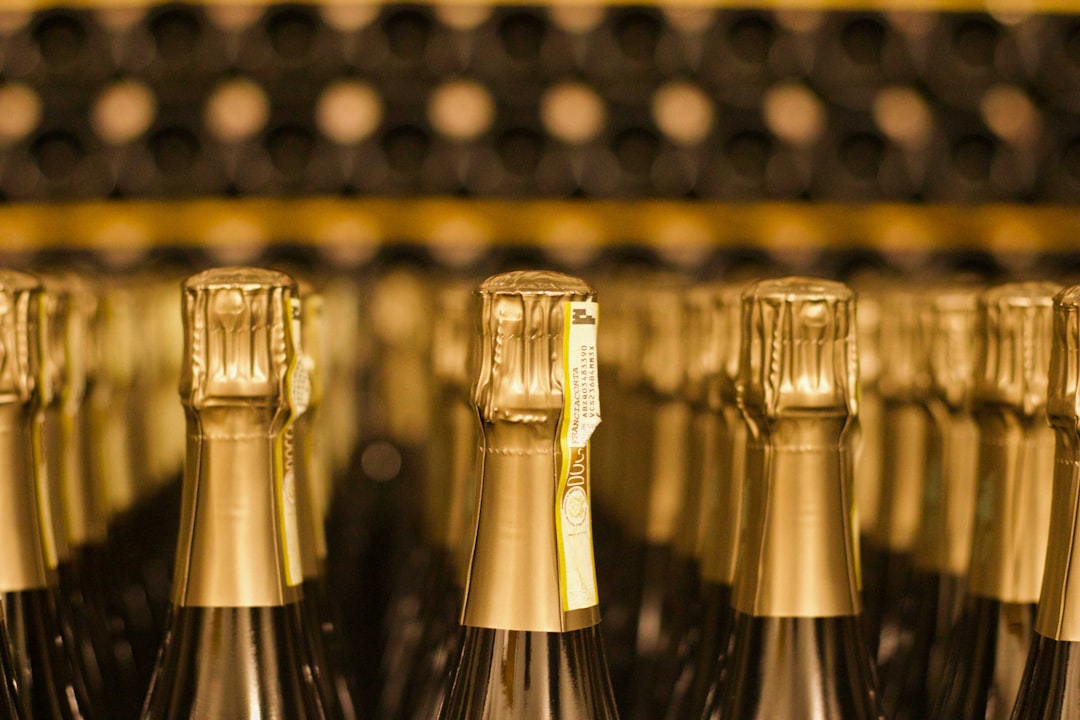
- Moët & Chandon – One of the world’s most famous champagne brands.
- Dom Pérignon – Premium vintage champagne.
- Veuve Clicquot – Known for its yellow label.
- Krug – High-end champagne house.
- Hennessy – Leading cognac producer.
- Rémy? No. (Rémy Cointreau is separate — easy mistake!)
- Belvedere – Luxury vodka brand.
- Glenmorangie – Scotch whisky.
- Ardbeg – Peaty Scotch whisky.
- Château d’Yquem – Legendary sweet wine.
- Whispering Angel – Popular rosé wine.
LVMH was built partly on champagne and cognac. This category remains very important.
Selective Retailing
This division focuses on retail stores rather than producing luxury goods.
- Sephora – Global beauty retailer with thousands of stores.
- DFS Group – Duty-free luxury shopping for travelers.
- Le Bon Marché – High-end department store in Paris.
- La Grande Épicerie de Paris – Luxury food hall.
Sephora is one of LVMH’s biggest success stories. It reshaped how people shop for beauty products.
Other Activities
LVMH also owns businesses outside traditional fashion and beauty.
- Cheval Blanc – Ultra-luxury hotels and resorts.
- Belmond – Luxury hotels, trains, and river cruises.
- Royal Van Lent – Dutch luxury yacht builder (Feadship).
- Les Echos – French financial newspaper.
Yes, LVMH even owns luxury trains and tropical resorts. The group focuses on experiences as well as products.
Why Does LVMH Own So Many Brands?
The strategy is simple.
Buy heritage brands.
Protect their image.
Help them grow globally.
LVMH does not usually merge brands together. Each label keeps its own identity. Its own creative director. Its own style.
This allows Dior to feel different from Fendi. And Tiffany to feel different from Bulgari.
Behind the scenes, LVMH provides:
- Financial support
- Global distribution
- Marketing power
- Real estate access
- Supply chain expertise
It’s like a luxury empire with many kingdoms.
How Many Brands Does LVMH Own in Total?
The number changes slowly over time. As of 2026, LVMH owns more than 75 brands.
Some are world-famous. Others are niche and known mostly to luxury insiders.
But all share one thing: premium positioning.
Biggest and Most Valuable LVMH Brands
Not all brands are equal in size. Here are some top revenue drivers:
- Louis Vuitton – The most valuable luxury brand in the world.
- Dior – Huge in fashion and beauty.
- Sephora – Massive retail presence.
- Tiffany & Co. – Leading U.S. jewelry player.
- Moët Hennessy – Strong global drinks sales.
Louis Vuitton alone generates billions every year. It is the powerhouse of the group.
What Makes LVMH Different?
There are other luxury groups out there.
- Kering (owns Gucci and Saint Laurent)
- Richemont (owns Cartier)
- Estée Lauder (beauty giant)
But LVMH is the largest. By far.
It has:
- The widest range of luxury categories
- The strongest global reach
- Deep control over retail stores
It also blends tradition and innovation. One day, it invests in a 200-year-old champagne house. The next, it partners with a pop superstar.
Final Thoughts
LVMH is more than just Louis Vuitton.
It is a global luxury powerhouse that owns over 75 premium brands. From handbags and diamond necklaces to champagne and five-star resorts.
If you walk through a luxury mall, sip fine champagne at a wedding, or shop at Sephora, you’re probably interacting with an LVMH brand.
And the group keeps growing.
So next time you see a famous luxury logo, take a guess. There’s a good chance LVMH is behind it.
Luxury has many names. But many of those names belong to one company.

