

Cloudy pool water can ruin a perfect sunny day. Green slime on the walls? Even worse. That is where the SLAM method comes in. It sounds intense. It kind of is. But it is also simple, effective, and surprisingly satisfying once you understand it.
TLDR: The SLAM method stands for Shock, Level, And Maintain. It is a step-by-step way to clear cloudy or algae-filled pool water fast. You raise chlorine to a specific level and keep it there until the pool is clean. Test often, brush daily, and stay consistent for best results.
Let’s break down the three most important things you need to know about the SLAM method so you can get fast pool cleaning results without the guesswork.
1. SLAM Is Not Just “Dump and Pray” Shock
Many pool owners think shocking a pool means pouring in chlorine and hoping for magic. That is not SLAM. SLAM is controlled. Measured. Intentional.
SLAM stands for:
- Shock
- Level
- And
- Maintain
The key word is maintain. That is what makes it work.
When you SLAM a pool, you:
- Test your water.
- Raise your free chlorine to the correct shock level.
- Keep it at that level until the pool is clear.
It is not a one-time chlorine bomb. It is a process.
Why Regular Shocking Often Fails
Algae grows fast. Chlorine gets used up fighting it. If you add chlorine just once, the level may drop below effective range within hours. The algae survives. Then it comes back.
SLAM fixes this by keeping chlorine consistently high enough to fully kill contaminants.

That green swamp look? SLAM was made for that.
You Must Know Your CYA Level
This is huge.
Your shock chlorine level depends on your CYA (Cyanuric Acid), also called stabilizer. CYA protects chlorine from sunlight. But it also reduces chlorine’s strength.
Higher CYA means you need higher shock levels.
If you skip this step, you are guessing. And guessing wastes money.
Before starting SLAM:
- Test CYA accurately.
- Use a reliable pool calculator.
- Determine your exact shock level.
No eyeballing. No “looks about right.” Be precise.
2. Testing and Consistency Are Everything
SLAM is simple. But it is not lazy.
You will need to test often. Especially in the first couple of days.
How Often Should You Test?
At the start:
- Every few hours if possible.
Later on:
- 2–3 times per day.
Each time you test, you add chlorine to bring it back to shock level.
If you let chlorine drift too low, algae regains strength. Then you lose progress. Stay steady.
The 3 Signs You Are Done
You are not finished until all three of these are true:
- Water is crystal clear.
- Combined chlorine (CC) is 0.5 ppm or lower.
- You pass the Overnight Chlorine Loss Test (OCLT).
The Overnight Chlorine Loss Test is simple:
- Test chlorine after sunset.
- Test again before sunrise.
- If you lose 1 ppm or less, you pass.
That means algae is no longer actively consuming chlorine.
Clear water alone is not enough. Always confirm with testing.
Use the Right Tools
Good testing matters. Test strips are often unreliable for SLAM. You need precision.
Here is a simple comparison of common pool testing and chlorine options:
| Tool or Product | Best For | Accuracy | Recommended for SLAM? |
|---|---|---|---|
| Test Strips | Quick checks | Low to Moderate | No |
| Liquid Drop Test Kit | Precise chlorine measurement | High | Yes |
| Liquid Chlorine | Raising chlorine fast | Very Consistent | Yes |
| Chlorine Tablets | Slow maintenance chlorination | Slow Acting | No |
| Pool Store Testing | Occasional guidance | Varies | Not Ideal for Daily SLAM |
Liquid chlorine is usually best for SLAM. It acts fast. It does not add extra stabilizer. It is predictable.
Tablets add more CYA. That can make future SLAM levels even higher. Not helpful.
3. Brushing, Filtering, and Circulation Speed Things Up
You cannot just pour in chlorine and walk away.
You need movement. You need friction. You need filtration.
Brush Daily. Yes, Every Day.
Algae clings to surfaces. Especially:
- Pool walls
- Steps
- Ladders
- Corners
Brushing breaks up biofilm. Biofilm protects algae from chlorine. Break the shield, and chlorine works better.
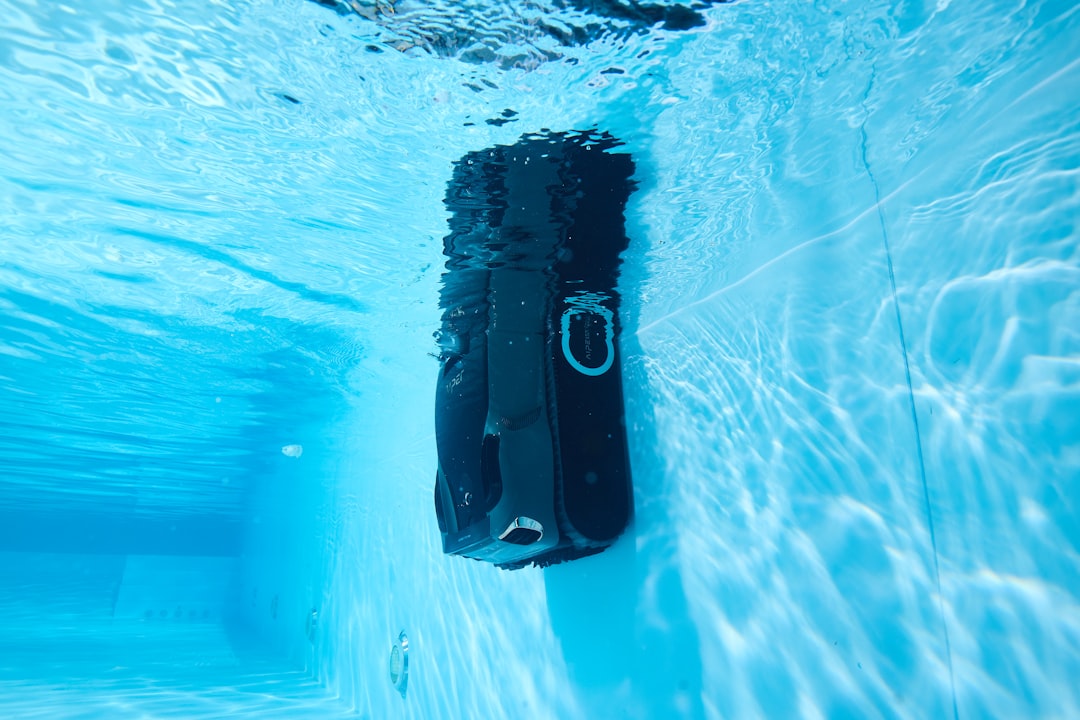
Think of brushing as waking the algae up. Then chlorine finishes it off.
Run the Pump 24/7 During SLAM
Continuous circulation keeps chlorine evenly distributed.
It also pushes dead algae toward your filter.
Backwash sand or DE filters when pressure rises 20–25% above normal. Clean cartridge filters when needed.
A dirty filter slows everything down.
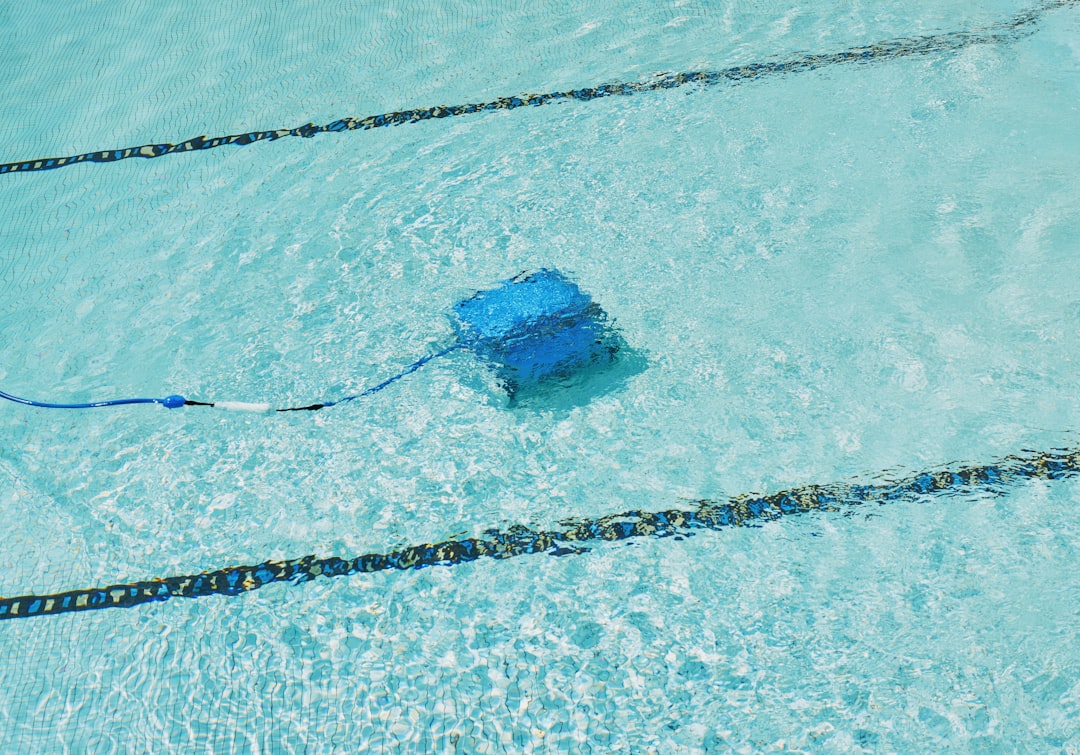
Vacuum the Pool
Dead algae settles at the bottom. It looks like gray or white dust.
Vacuum it out. Do not let it sit there.
If possible, vacuum to waste when the pool is extremely dirty. That removes debris instead of sending it through the filter.
Bonus Tips for Faster Results
Want to speed things up even more? Here are a few smart tricks:
- Adjust pH before starting. Aim for about 7.2. High chlorine levels make pH hard to read later.
- Remove leaves and debris first. Organic matter eats chlorine.
- Check hidden areas. Under steps and behind lights can hide algae.
- Be patient with cloudy water. It often turns blue before it turns clear.
SLAM often follows this pattern:
- Green and swampy
- Cloudy blue
- Sparkling clear
The cloudy stage can test your patience. Do not quit there. You are close.
How Long Does SLAM Take?
It depends on how bad the pool is.
- Light cloudiness: 1–2 days
- Moderate algae: 3–5 days
- Full swamp: Up to a week or more
The biggest factor is consistency. If you maintain shock level properly, you will see progress fast.
If you skip tests or let chlorine drop, it takes longer.
Common SLAM Mistakes to Avoid
Even simple processes can go wrong.
Watch out for these mistakes:
- Not testing CYA first
- Using tablets instead of liquid chlorine
- Stopping when water “looks clear”
- Not brushing
- Ignoring filter maintenance
Most failed SLAM attempts trace back to one of these.
Why SLAM Is Worth It
SLAM takes effort. But it works.
You avoid:
- Random pool store chemicals
- Algaecide overload
- Wasted money
You gain:
- Clear water
- Better understanding of your pool
- Confidence in maintaining it
Once you successfully SLAM a pool, regular maintenance feels easy.
Crystal clear water is not luck. It is chemistry plus consistency.
Final Thoughts
The SLAM method is not complicated. But it is disciplined.
Remember the three big takeaways:
- It is a process, not a one-time shock.
- Testing and maintaining proper levels is the secret.
- Brushing, filtering, and circulation speed everything up.
Stick to the plan. Stay patient. Test often.
Soon enough, you will look at your pool and see clear blue water instead of cloudy chaos.
And jumping in will feel even better because you fixed it yourself.

