

The digital marketplace has exploded in recent years, with online shopping becoming second nature for consumers around the globe. As we move into 2026, eCommerce continues to evolve rapidly, making it vital for sellers to choose the right platform to reach their target customers efficiently and profitably. Whether you’re a small artisan or a large retailer expanding your reach, selecting a strong eCommerce partner can determine your success in the competitive online arena.
TL;DR
Wondering where to sell your products online in 2026? We’ve compiled the five best eCommerce platforms based on user reach, seller-friendly tools, and growth potential. Platforms like Amazon and Shopify still dominate, but newcomers like TikTok Shop are changing the game. Read on to find the best fit for your brand and strategy.
1. Amazon – The Global Giant
Amazon remains the top eCommerce platform globally for both buyers and sellers. With over 300 million active customers as of 2025 and advanced fulfillment services like Amazon FBA, it’s no wonder that sellers flock here to reach a truly massive audience.
- Pros: Enormous customer base, trusted shopping experience, and excellent logistics through FBA.
- Cons: High competition, complex fee structure, and stringent seller requirements.
Amazon now supports advanced A+ content creation, AI-powered product descriptions, and real-time analytics, making it easier than ever for sellers to optimize their listings. Because of its massive logistics network and ever-growing Prime membership program, your products can reach customers faster and more reliably.
2. Shopify – The Entrepreneur’s Favorite
Shopify has carved out its niche as the best platform for those looking to build a standalone brand. Unlike marketplace-based platforms, Shopify allows you to create a branded online storefront tailored to your exact needs and vision.
- Pros: Full control of your branding, customizable themes, direct customer relationships.
- Cons: Requires marketing efforts to drive traffic, monthly subscription fees.
In 2026, Shopify’s ecosystem is even more robust, featuring seamless integrations with payment gateways, inventory management systems, and AI-powered tools for personalized shopping experiences. Its user-friendly interface and mobile-first design make it ideal for sellers of all sizes—from solo entrepreneurs to enterprise retailers.
New features include virtual storefronts in the metaverse, deeper advertising integrations with TikTok, and AI-generated customer insights for better targeting and retention. It’s the go-to choice if you’re focused on building your brand identity.
3. TikTok Shop – The Social Selling Sensation
One of the breakout success stories in the eCommerce world, TikTok Shop has turned shopping into bite-sized entertainment. Thanks to the short-form video format, sellers can engage users and promote their products in creative, viral ways.
- Pros: High engagement, viral marketing potential, seamless content-to-commerce flow.
- Cons: Requires familiarity with content creation, prone to algorithm changes.
Gen Z and millennials dominate the platform, making it ideal for brands targeting younger demographics. In 2026, TikTok Shop supports one-click purchases during live streams, AI editing tools for content creation, and robust analytics that reveal performance insights at a glance.

Sellers who master the art of short-form, punchy videos can create enormous brand visibility overnight. If your brand has personality and a story to tell, TikTok Shop offers a golden opportunity to make direct sales while entertaining your audience.
4. Walmart Marketplace – The Retail Powerhouse Rebooted
Walmart Marketplace has matured into a serious eCommerce contender, especially in North America. With its trusted brand name and explosion in online sales, many third-party sellers now consider Walmart an excellent alternative—or complement—to Amazon.
- Pros: Lower fees compared to Amazon, large domestic customer reach, strong logistics.
- Cons: Limited international reach, fewer customization options.
In 2026, Walmart is investing heavily in enhancing its seller tools, including AI-powered price matching, predictive inventory restocking, and integration with major ad networks for multichannel promotion. The platform also offers new hybrid fulfillment options combining in-store pickup with online shipping.
Walmart’s newer initiatives—such as live shopping events and AR product try-ons—are already showing promising results, particularly in home goods and fashion categories. If you want to reach U.S. mainstream buyers and value a trusted retail reputation, Walmart is a smart bet.
5. Etsy – The Creative Marketplace for Artisans and Independents
If your products fall into categories like handmade goods, vintage items, craft supplies, or unique finds, Etsy remains a prime choice in 2026. What makes Etsy stand out is its tightly-knit community of buyers who actively seek one-of-a-kind products.
- Pros: Niche audience, built-in traffic for creative and handmade goods, lower startup costs.
- Cons: Strict product rules, reliance on organic discovery, marketplace fees.
In 2026, Etsy has upgraded its seller dashboard to include social media marketing management, AI-generated tagging, and customer feature tools like order personalization and previews. Enhanced search prediction and retargeting capabilities also make it a more powerful platform than in previous years.
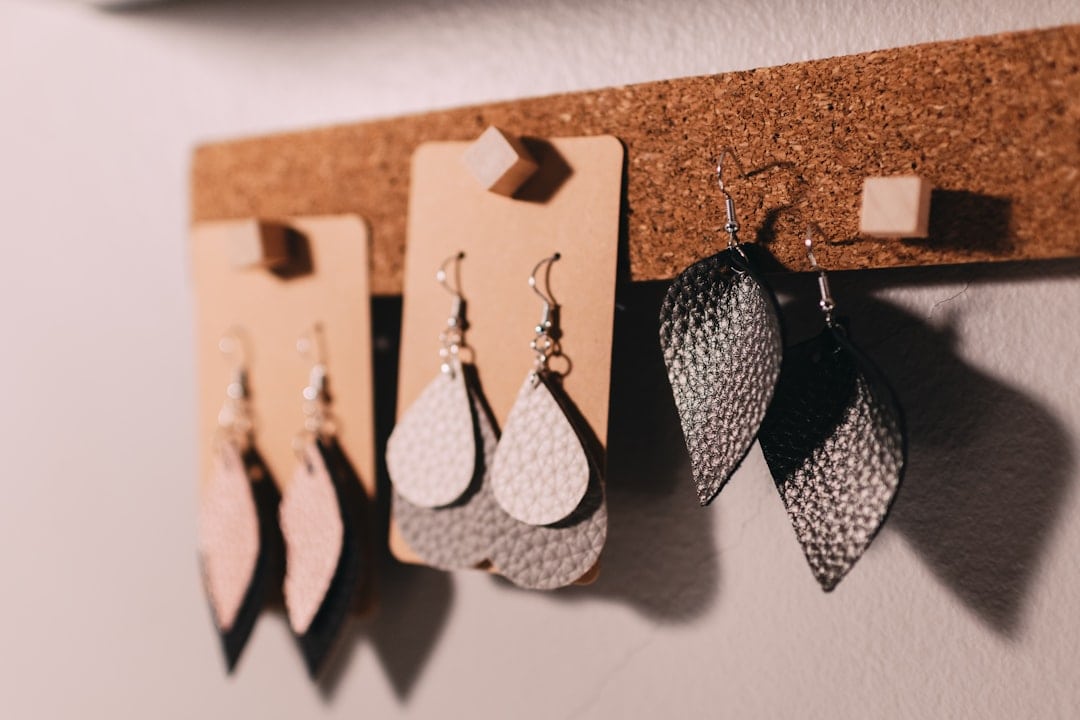
If your strength lies in artistry, originality, and craftsmanship, Etsy isn’t just a platform—it’s your community. The brand recognition and buyer intent here are unmatched for creators and indie sellers.
How to Choose the Best Platform for You
Choosing where to sell your products depends on several factors, including your business goals, resources, niche, and customer base. Here’s a quick breakdown to help you decide:
- Go with Amazon if you want massive scale and are comfortable with competition and compliance.
- Choose Shopify if branding, control, and flexibility are your top priorities.
- Try TikTok Shop if you can create engaging video content and want to leverage viral reach.
- Sell on Walmart Marketplace if you want strong exposure within the U.S. and competitive fees.
- Pick Etsy if your products are creative, handmade, or vintage with a unique appeal.
Also, consider experimenting with two or more platforms in tandem—many successful sellers diversify their approach to mitigate risk and maximize reach.
Final Thoughts
In 2026, opportunities in eCommerce continue to grow—driven by technology, changing consumer behavior, and emerging marketplaces. Whether you’re just launching or scaling up, choosing the right eCommerce platform is crucial to your success.
Evaluate what each platform offers, test where possible, and always keep an eye on evolving trends. After all, the digital shelves are limitless, and there’s a customer out there waiting for your product—on the right platform, at the right time.
Happy selling!

