

Modern digital products are powered by APIs. From mobile banking apps to SaaS platforms and IoT ecosystems, APIs act as the connective tissue between services, devices, and users. But as API traffic grows in scale and complexity, visibility becomes a challenge. That’s where API gateway analytics tools like Kong step in—providing deep insight into traffic patterns, performance metrics, security threats, and usage behavior across distributed systems.
TLDR: API gateway analytics tools such as Kong help organizations monitor, secure, and optimize their API traffic in real time. They provide detailed insights into performance, usage trends, errors, and security anomalies. With dashboards, logging systems, and traffic controls, teams can proactively resolve issues and scale confidently. In short, API analytics transforms raw API traffic into actionable intelligence.
What Is an API Gateway and Why Analytics Matter
An API gateway acts as the single entry point for client requests to backend services. Instead of clients directly calling microservices, requests pass through the gateway, which handles routing, authentication, rate limiting, logging, and more.
However, routing traffic is only part of the story. In modern systems where millions of API calls may happen every hour, visibility into what’s happening behind the scenes is essential. Without analytics:
- Performance bottlenecks remain hidden.
- Security incidents may go unnoticed.
- Developers lack clarity on API adoption and usage.
- Capacity planning becomes guesswork.
Tools like Kong Gateway address these issues by embedding powerful analytics capabilities directly into API management workflows.
Core Features of API Gateway Analytics Tools
API gateway analytics platforms offer a suite of monitoring and reporting capabilities. While features vary by vendor and configuration, common functionalities include:
1. Real-Time Traffic Monitoring
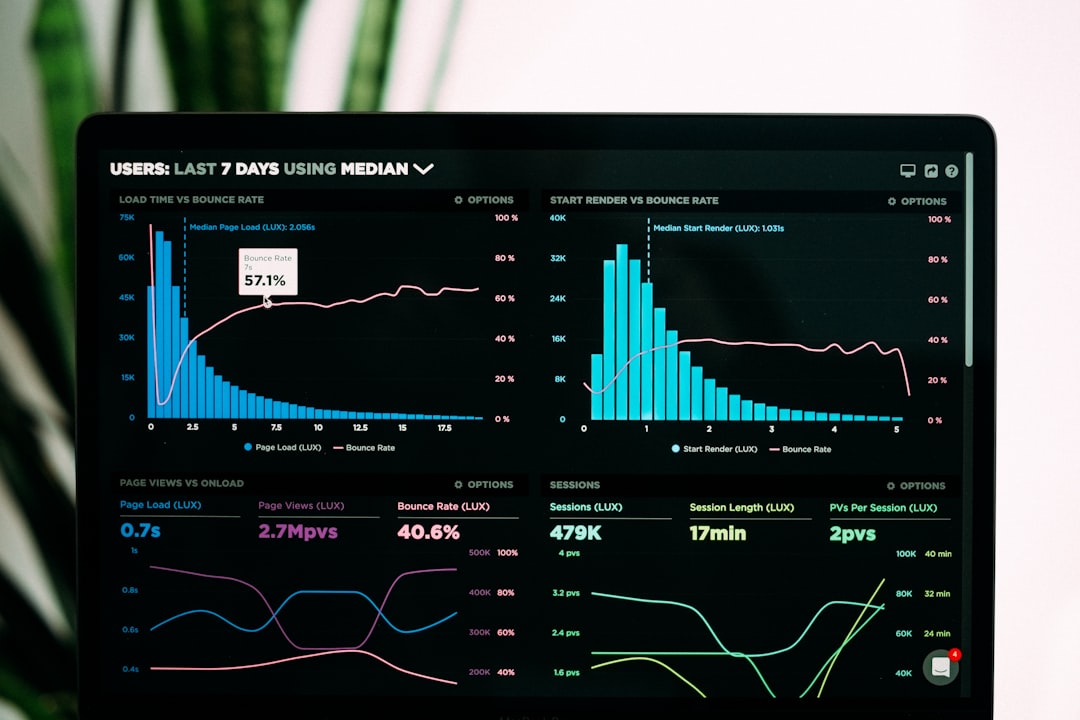
Real-time dashboards display:
- Total request volume
- Requests per second
- Response times and latency
- Error rates (4xx and 5xx errors)
This visibility makes it easy to detect unusual traffic spikes or degradation before customers are affected.
2. Consumer and Application Insights
Analytics tools allow segmentation of traffic by:
- API key or consumer
- Application
- Geographic region
- Service or route
For example, a SaaS company can identify which customers consume the most bandwidth or which endpoints are most frequently accessed. This data supports strategic decisions about pricing tiers, feature prioritization, and support allocation.
3. Latency and Performance Metrics
Understanding performance requires breaking down latency into components:
- Client-to-gateway latency
- Gateway processing time
- Upstream service response time
Kong and similar tools provide granular breakdowns that help engineers pinpoint exactly where slowdowns occur—whether within the gateway itself or in backend services.
4. Error Analysis and Alerting
A sudden increase in 500-level errors may indicate failing microservices. A rise in 401 or 403 errors can suggest authentication issues.
Advanced analytics platforms integrate with alerting systems to notify teams when metrics cross defined thresholds. Instead of reacting to customer complaints, teams act proactively.
Kong as a Leading Example
Kong has become one of the most recognized API gateway solutions, particularly in cloud-native and microservices architectures. Its analytics capabilities are often implemented through:
- Kong Manager dashboards
- Kong Vitals (for enterprise observability)
- Integration with tools like Prometheus and Grafana
- Logging plugins for ELK or Splunk
Kong’s architecture is lightweight and extensible, allowing organizations to enable custom plugins for metrics collection and data export. This flexibility makes it suitable for startups and enterprises alike.
Monitoring API Traffic in Microservices Environments
In monolithic applications, tracking requests was relatively straightforward. Microservices architecture changes the game. A single user request may trigger calls across multiple services.
API gateway analytics tools help visualize this complexity by:
- Tracking request flow across services
- Measuring service dependencies
- Highlighting failing nodes

When combined with distributed tracing systems, API analytics becomes even more powerful—allowing teams to map an entire request lifecycle.
Security Monitoring Through API Analytics
APIs are frequent targets for malicious activity. From brute force attacks to token abuse and bot traffic, threats can manifest silently within traffic data.
Analytics tools help detect:
- Unusual traffic spikes from a single IP
- Repeated failed authentication attempts
- Abnormal request patterns
- Data scraping attempts
With rate-limiting and anomaly detection rules, gateways like Kong can automatically throttle or block suspicious traffic. Analytics isn’t just about performance—it’s a key component of API security posture.
Capacity Planning and Scaling
Traffic growth is often unpredictable. Marketing campaigns, partner integrations, or viral adoption can all generate sudden load increases.
By analyzing historical metrics, teams can:
- Project peak usage periods
- Adjust infrastructure provisioning
- Optimize load balancing configurations
- Ensure SLA compliance
Instead of scaling reactively, analytics enables evidence-based capacity planning. For cloud-native deployments, this often translates into cost savings by avoiding over-provisioning.
Improving Developer Experience
API analytics is not just for operations teams. Product managers and developer relations teams benefit as well.
With usage insights, organizations can:
- Identify popular endpoints
- Detect deprecated API versions still in use
- Track adoption of new features
- Measure integration success rates
If a newly released endpoint sees little traffic, it may indicate documentation issues or lack of awareness. Data-driven iteration improves API design and documentation quality.
Integrations With Observability Ecosystems
API gateway analytics rarely operates in isolation. Instead, it integrates into broader observability stacks:
- Metrics: Prometheus, Datadog
- Logs: Elasticsearch, Logstash, Kibana
- Tracing: Jaeger, OpenTelemetry
- Alerting: PagerDuty, Opsgenie
Kong’s plugin ecosystem enables exporting metrics to external platforms, aligning API monitoring with company-wide observability practices.
This holistic approach ensures API performance is correlated with infrastructure health, database performance, and user experience metrics.
Key Metrics to Track in API Gateway Analytics
While dashboards may display dozens of charts, certain metrics are especially critical:
- Throughput: Number of requests per second
- Error Rate: Percentage of failed requests
- Latency Percentiles: P50, P95, P99 response times
- Consumer Distribution: Traffic by user or API key
- Rate Limit Violations: Throttled requests
Latency percentiles are particularly important. Averages can be misleading; a system might have acceptable average latency but poor P99 performance affecting a subset of users.
Compliance and Auditing Benefits
In regulated industries like finance or healthcare, logging API access is essential for compliance. API gateway analytics provides:
- Detailed access logs
- Authorization verification trails
- Audit-ready usage summaries
With centralized logging through the gateway, companies maintain a unified record of external access to sensitive resources.
Best Practices for Implementing API Analytics
To maximize the value of analytics tools like Kong, organizations should follow several best practices:
- Define Clear KPIs: Align metrics with business goals.
- Set Actionable Alerts: Avoid alert fatigue by focusing on meaningful thresholds.
- Regularly Review Dashboards: Analytics is only useful if examined consistently.
- Segment Data Properly: Track traffic by environment, consumer, and version.
- Secure Metrics Access: Monitoring data itself must remain protected.
Analytics should evolve alongside your API ecosystem. As new services are added, monitoring configurations must adapt.
The Future of API Gateway Analytics
Emerging trends are shaping the next generation of API monitoring:
- AI-driven anomaly detection
- Predictive scaling recommendations
- Behavioral usage modeling
- Integrated security automation
Machine learning models are increasingly being used to identify traffic anomalies that traditional threshold-based alerts might miss. Rather than waiting for set limits to be exceeded, systems learn typical traffic patterns and flag deviations instantly.
As API ecosystems become more distributed—with edge computing, serverless environments, and hybrid clouds—analytics tools will need to offer deeper cross-environment visibility.
Conclusion
API gateway analytics tools like Kong are more than operational dashboards—they are strategic assets. They provide visibility into system health, user behavior, security threats, and business performance. In increasingly complex microservices environments, this visibility is not optional; it is foundational.
By transforming raw API calls into meaningful insights, analytics platforms empower teams to build faster, safer, and more scalable systems. Whether you are running a startup application or operating at enterprise scale, monitoring API traffic and usage through a robust gateway analytics tool ensures you remain in control of your digital infrastructure.

