

Many people visit the Internet Archive at archive.org to download books, stream old films, or view website history through the Wayback Machine. The platform looks simple and trustworthy, but users still ask an important question. Is it truly safe to use?
Safety has more than one meaning. A website can be technically secure but still carry legal risks. It can protect user data yet host files uploaded by strangers. To answer this properly, we need to look at security, malware risk, copyright law, and privacy together.
What Is the Internet Archive?
The Internet Archive is a nonprofit organization founded by Brewster Kahle in 1996 in the United States. Its mission is to preserve digital content such as websites, books, audio recordings, software, and videos. The organization operates archive.org and the Wayback Machine, which stores snapshots of web pages using automated web crawlers.
The platform also runs Open Library, a digital book lending system built on the Controlled Digital Lending model. The goal is digital preservation and public access, not profit. Because it is a nonprofit organization, it does not operate like commercial streaming services or social media platforms.
Its mission is preservation. However, preservation does not automatically mean zero risk.
Is archive.org Technically Secure?
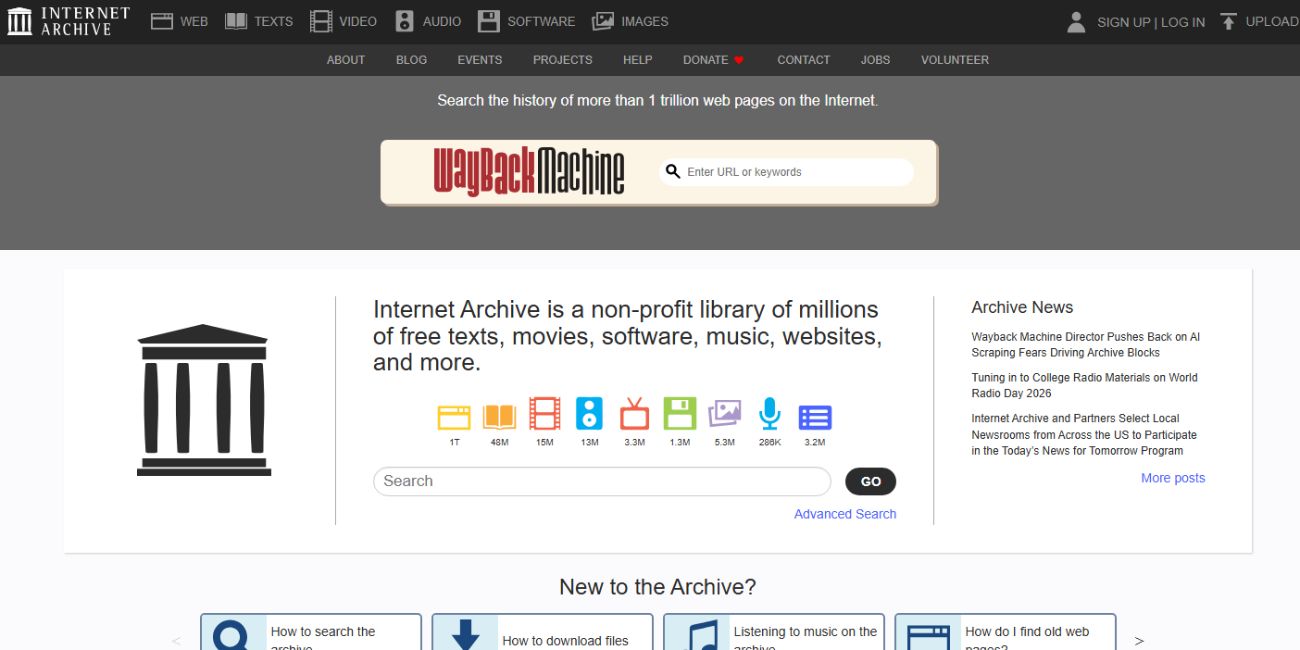
From a technical security standpoint, archive.org uses HTTPS encryption. HTTPS protects data exchanged between your browser and the website. This reduces the risk of interception or man-in-the-middle attacks.
The domain is not listed as malicious by Google Safe Browsing, which monitors harmful sites. The Internet Archive also maintains a long-standing domain reputation and stable infrastructure. While it is not publicly detailed whether services like Cloudflare are used consistently, the site operates under standard modern security practices.
Key security indicators include:
- HTTPS encrypted connection
- Long operating history since 1996
- No widespread phishing classification
- Stable hosting infrastructure
However, technical website security does not guarantee that every uploaded file is safe to download. That is where user caution becomes important.
Can You Get a Virus From the Internet Archive?
Yes, it is possible, especially when downloading software. The Internet Archive allows user uploads, including old programs, games, and executable files. Because uploads come from various contributors, not every file undergoes strict manual review.
Executable files such as .exe programs carry the highest risk. Older software may contain embedded malware or outdated code vulnerabilities. Even compressed archive files can hide harmful scripts.
Lower-risk files include:
- Plain text documents
- Public domain PDFs
- Audio files
- Standard video files
Even then, no platform can guarantee that every file is clean. It is wise to scan downloads using antivirus software before opening them. The Internet Archive functions more like a digital library than a curated app store. Responsibility for file safety largely rests with the user.
Is the Internet Archive Legal?
The Internet Archive operates under United States law and follows the Digital Millennium Copyright Act (DMCA) process. If a copyright holder submits a complaint, the organization may remove the disputed content.
Many materials on archive.org are in the public domain, meaning copyright protection has expired. Downloading public domain works is generally legal. Classic literature, historical recordings, and older films often fall into this category.
However, not all materials are public domain. The Internet Archive’s Controlled Digital Lending system became the subject of a lawsuit by major book publishers. In 2023, a federal court ruled against certain lending practices, stating that the scanning and lending of copyrighted books exceeded legal limits.
This legal dispute focused on copyright boundaries, not malware or scams. The platform itself is not classified as illegal. However, users must understand that downloading copyrighted content without permission may violate local copyright law depending on jurisdiction.
Does the Internet Archive Track Users?
The Internet Archive publishes a data privacy policy explaining how it handles user information. Like most websites, it collects basic server logs. These logs may include IP addresses, browser type, and access times.
The platform also uses cookies for session management and analytics. Because it operates as a nonprofit organization, it does not rely heavily on targeted advertising models used by platforms like Facebook or TikTok.
Users can browse much of the site without creating an account. This reduces the amount of personal data shared compared to account-based services. Still, complete anonymity does not exist. Basic server logging is standard practice across the internet.
Is It Safe for Downloading Books and Movies?
Safety depends on both the type of content and its copyright status.
If a book or film is clearly in the public domain, downloading it is generally legal and low risk. Public domain materials are free from copyright restrictions. The Internet Archive hosts many such works, especially older literature and historical films.
If a book or movie remains protected under copyright law, legality becomes less clear. The presence of a file on archive.org does not automatically grant permission for redistribution or commercial use. The Internet Archive follows DMCA procedures, but copyright responsibility may still apply to the end user.
For books and films, the primary concern is legal exposure rather than technical malware risk. For software downloads, the concern shifts toward technical safety rather than copyright. Understanding that difference helps users make informed choices.
Internet Archive vs Torrent Sites
Some users compare the Internet Archive with torrent platforms, but they operate differently. Torrent sites use peer-to-peer networks where users share files directly. The Internet Archive is a centralized nonprofit organization based in the United States.
Important distinctions include:
- Registered nonprofit organization
- Centralized hosting system
- DMCA compliance process
- Public preservation mission
Torrent sites often operate anonymously and focus on file distribution. The Internet Archive presents itself as a digital preservation library. Legal debates exist, but its structure differs from peer-to-peer piracy networks.
Final Verdict – Should You Use It?
The Internet Archive is technically secure as a website. It uses HTTPS encryption and maintains a long-standing online reputation. It is not widely classified as a malicious or phishing domain.
However, user caution remains important. Software downloads may carry malware risk. Some copyrighted materials may raise legal questions. Basic server logging means browsing is not fully anonymous.
Researchers, journalists, students, and historians regularly use the Internet Archive for legitimate purposes. When used responsibly and with basic cybersecurity practices, it can be a valuable research tool.
If you have used archive.org before, share your experience in the comments. Your feedback helps others understand both the benefits and the risks.

